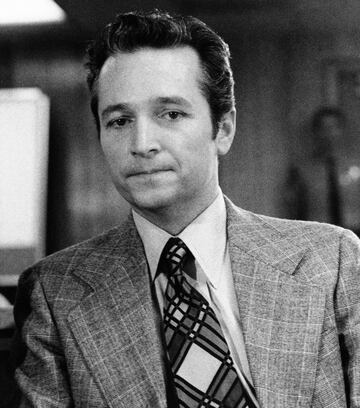
Jay Rockefeller, West Virginia Senator and Healthcare Advocate, Dies at 89
John D. “Jay” Rockefeller IV, who represented West Virginia in the U.S. Senate for 30 years, passed away in Washington, D.C., on November 6. He was 89. Relatives have not stated what caused his death.
Jay Rockefeller Leaves a Legacy of Fighting for Healthcare Access
Jay Rockefeller devoted much of his public career to expanding healthcare access, fighting poverty and securing benefits for coal miners and veterans. The former West Virginia governor and senator died at his Washington home on November 6, 2026, aged 89. His family did not disclose a cause of death.
A Democrat who served five Senate terms, Rockefeller helped shape a 1997 program supporting health coverage for uninsured children. He backed Bill Clinton’s unsuccessful effort to establish near-universal coverage and later supported Barack Obama’s healthcare overhaul. Rockefeller also pressed, without success, for a government insurance option that would compete with private plans.
His record was not without regret. Rockefeller voted in 2002 to authorize the Iraq War, then said he would have opposed the measure had he known what he later learned. As chairman of the Senate intelligence committee, he criticized the Bush administration’s account of Iraq and its alleged links to al Qaeda, saying the public had been led into war on false premises.
Rockefeller’s career showed the stakes of government action on healthcare and the cost of misleading claims about war. He also opposed Republican efforts to block emissions rules for coal-fired power plants, despite his usual support for West Virginia’s coal and steel industries.
Jay Rockefeller’s Long Career Mixed Liberal Causes and a Costly War Vote
Jay Rockefeller, heir to one of America’s wealthiest families and a longtime Democratic senator from West Virginia, died at his Washington home on November 6, 2026. He was 89. His family gave no cause of death.
Rockefeller spent three decades in the Senate promoting broader healthcare coverage, including a government insurance option that failed to win support during debate over Barack Obama’s healthcare overhaul. He had also backed Bill Clinton’s unsuccessful universal-coverage proposal and helped shape a federal program for health coverage for uninsured children.
His record on the Iraq War was more complicated. Rockefeller voted in 2002 to authorize military action, then later said he would have voted against it if he had known what he learned afterward. As intelligence committee chairman, he accused President George W. Bush and other officials of overstating intelligence about Iraq’s weapons and its relationship with al Qaeda.
Rockefeller usually supported West Virginia’s coal and steel industries, but in 2012 he opposed Republican efforts to stop emissions regulation for coal-fired power plants. His career joined a state-focused political record to a national agenda centered on expanded federal healthcare programs and scrutiny of the Bush administration’s case for war.
Reported by The Daily Wire, Fox News, The Washington Examiner, KPRC 2 Click2Houston, New York Post, The Philadelphia Inquirer, MSNBC, The Daily Caller.