Kansas Sends Adam Hamilton to the Senate in Democratic Upset
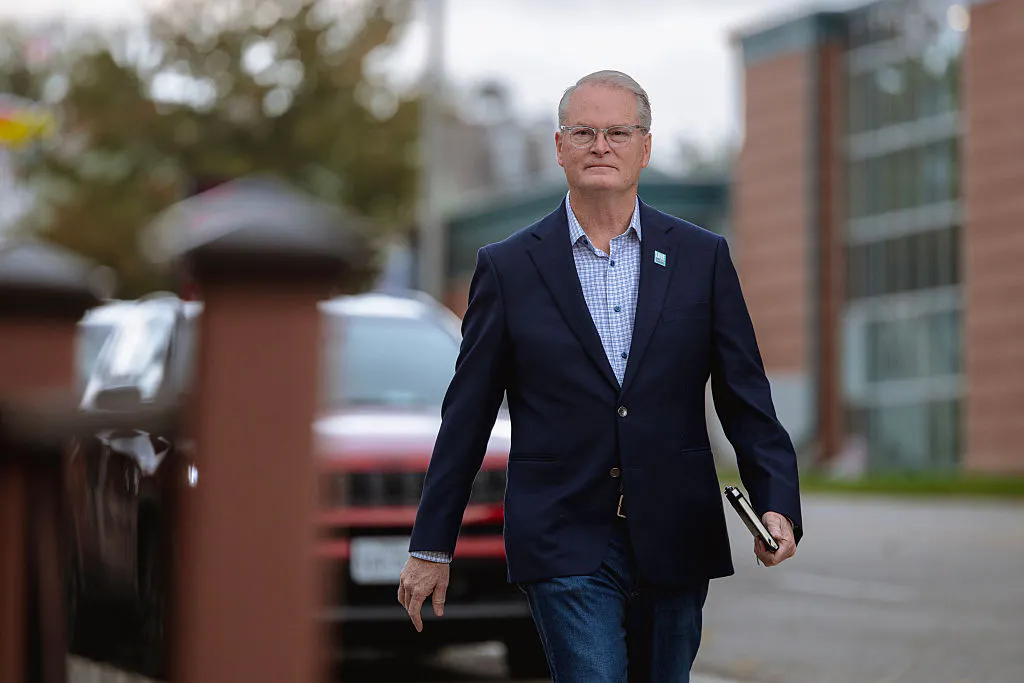
Hamilton, a pastor who leads the country’s largest United Methodist church, won 51 percent of the vote to Marshall’s 45 percent, according to the unofficial results cited when the race was called. His victory makes him the first Kansas Democrat chosen for a complete Senate term directly by voters without first holding the seat through a gubernatorial appointment. The state last sent a Democrat to the Senate in 1932.
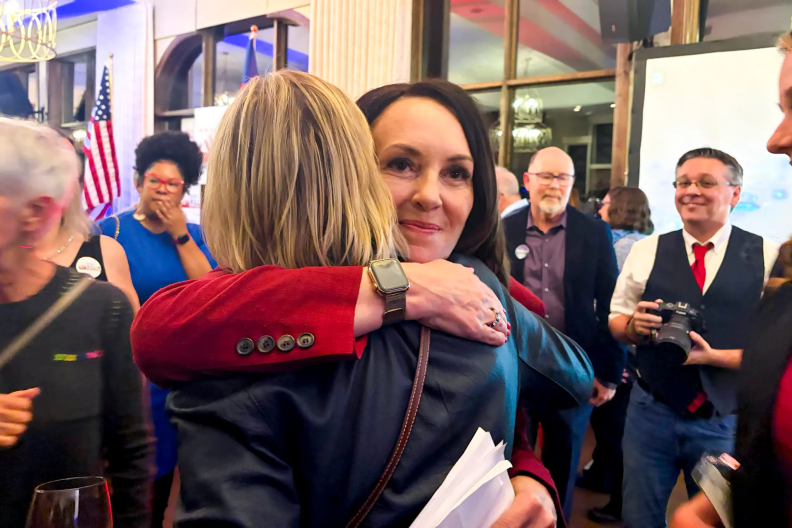
The result came alongside a major shift in state politics. Democrats gained 20 seats in the Legislature, ending the Republican supermajority that had held veto-proof power for 16 years. Holscher, described as an economic populist, also appeared to win the governor’s race.
Holscher campaigned against a proposed moratorium on data centers and called for ending tariffs and the war in Iran, issues the account linked to rising costs for farmers. Democratic Governor Laura Kelly campaigned for her, warning that Republican opponent Ty Masterson would return the state to the policies of former governor Sam Brownback. Brownback’s deep tax cuts were later rolled back after a state Supreme Court ruling that Kansas had failed its duty to fund education adequately.
Hamilton has moved from describing himself as “pro-life with a heavy heart” to openly supporting abortion rights. In his victory speech in Overland Park, he called the result a rebuke of “unkindness and cruelty in Washington.”
Kansas voters rejected a proposed abortion-ban amendment in 2022. The state also has a history of sharp political shifts, including the 1890s Populist movement and the violent conflict over slavery before it joined the Union in 1861 as a state where slavery was prohibited.
Kansas Voters Reject Brownback-Era Politics and Send Hamilton to Senate
Kansas voters delivered a sharp rebuke to Republican rule, choosing Adam Hamilton over incumbent Roger Marshall and ending the GOP’s 16-year veto-proof supermajority in the state Legislature. Democrats gained 20 seats, and Holscher, an economic populist, appeared to win the governor’s race.
Hamilton won 51 percent to Marshall’s 45 percent. He will be the first Kansas Democrat chosen for a complete Senate term directly by voters without first holding the seat by appointment. The state has not elected a Democrat to the Senate since 1932.
Holscher’s campaign focused on economic pressures facing farmers, opposing data-center expansion and urging tariffs to be scrapped and the Iran war to cease. Her predecessor, Democratic Governor Laura Kelly, warned that Republican candidate Ty Masterson would take Kansas back toward Brownback’s tax-cutting agenda. Those cuts were so steep that the Kansas Supreme Court found the state had failed its education-funding duty.
Hamilton’s support for abortion rights also aligns with Kansas voters’ 2022 rejection of a proposed constitutional amendment banning abortion. He once called himself “pro-life with a heavy heart,” but now says politicians should not make abortion decisions for women.
In his victory speech, Hamilton described the result as a rebuke of cruelty in Washington. The outcome shows that economic concerns and personal freedoms can outweigh the culture-war politics Republicans have relied on in Kansas.
Kansas Election Gives Democrats Power Without Settling Their Direction
Kansas voters chose Adam Hamilton for the Senate and handed Democrats a broad state-level victory, electing an apparent new governor and ending the Republicans’ veto-proof legislative supermajority. The result is a setback for Republicans, but it does not resolve what voters expect from the Democrats now in position to govern.
Hamilton won 51 percent to Marshall’s 45 percent, becoming the first Kansas Democrat selected for a full Senate term directly by voters without prior appointment to the seat. He heads the nation’s biggest United Methodist congregation and has shifted from describing himself as “pro-life with a heavy heart” to explicitly supporting abortion rights.
Cindy Holscher, who appeared to win the governor’s race, campaigned as an economic populist. Her proposals included stopping data-center development altogether, scrapping tariffs, and bringing the Iran war to a close. The campaign linked those issues to higher costs for farmers. Democrats also gained 20 legislative seats, breaking a Republican supermajority that had lasted 16 years.
Kansas has shown that its voters can reject policies they believe are failing: a state Supreme Court ruling forced a reversal of Brownback-era education cuts, and voters rejected an abortion-ban amendment in 2022. The election gives Democrats a chance to prove their economic promises can meet voters’ needs, rather than relying on opposition to Republicans as their governing case.
Reported by The New Republic, PBS NewsHour.