Eisenkot’s Arab Party Alliance Could Unseat Netanyahu
Israel’s election has left no clear winner, but a new alliance announced on November 5 could give opposition leader Gadi Eisenkot the numbers to form a government. His bloc and two Arab parties together hold 67 seats in the 120-member parliament, above the 61 needed for a majority.
The election left Netanyahu’s coalition with 53 seats and Eisenkot’s with 48. The Arab parties won 19 seats combined, up from 10 in the previous election. The two groups’ chiefs, Abbas representing United Arab List and Jabareen from Joint List, teamed up with Eisenkot after neither main bloc secured a majority.
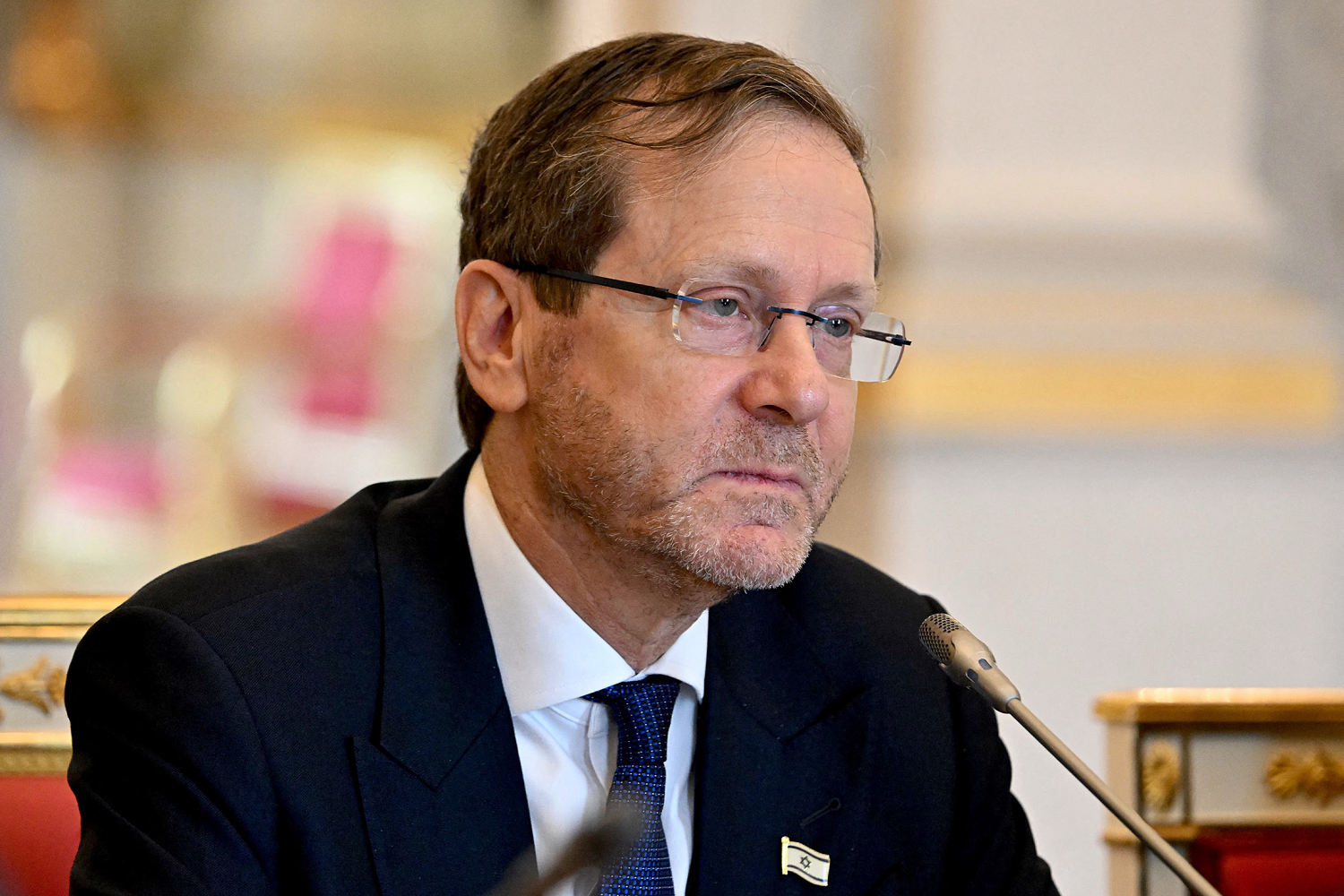
President Isaac Herzog has been consulting with parties elected to parliament as the government-formation process unfolds. He was expected to ask Eisenkot to try to assemble a coalition, though neither main contender had previously appeared to have a clear route to 61 seats.
The Arab leaders have said they want Netanyahu removed from power. Jabareen has indicated he would support a government from parliament rather than seek a cabinet position; Abbas has not said whether he wants one. The parties also differ on key issues, raising questions about how durable an alliance would be.
The partnership could still falter, and forming a government would not erase those disagreements. Eisenkot and the Arab leaders have yet to establish whether their new alignment can hold through the coalition negotiations and sustain a governing majority.
Arab Alliance Offers Israel a Path Beyond Netanyahu
Israel’s election has opened a route to a new government: opposition leader Gadi Eisenkot and two Arab party leaders announced an alliance on November 5 that would give their bloc 67 of parliament’s 120 seats. A majority requires 61.
The agreement could end Netanyahu’s rule and bring Arab parties into the government. United Arab List leader Mansour Abbas and Joint List leader Yousef Jabareen joined Eisenkot after the election produced no majority for either main bloc. The Arab parties won 19 seats together, nearly twice their total in the previous election.
President Isaac Herzog has been consulting with parties elected to parliament, and Eisenkot was expected to receive the opportunity to try to form a government. The alliance’s supporters want Netanyahu out; Jabareen has said he would support the government from parliament rather than demand a cabinet post, while Abbas has not specified whether he seeks one.
The coalition would face serious differences among its partners, and its durability is uncertain. But the choice is consequential: a majority assembled with Arab parties could replace Netanyahu’s 53-seat bloc and put those parties inside the governing arrangement rather than leave them outside it.
Eisenkot’s Fragile Coalition Depends on Arab Party Support
Gadi Eisenkot’s potential route to power now depends on an alliance with two Arab parties. The bloc announced on November 5 has 67 seats in Israel’s 120-member parliament, enough to clear the 61-seat threshold, but its partners face major disagreements.
The election gave Netanyahu’s coalition 53 seats and Eisenkot’s 48. United Arab List and Joint List won 19 seats together. Their leaders, Mansour Abbas and Yousef Jabareen, have aligned with Eisenkot to remove Netanyahu, though that shared aim does not resolve their differences or guarantee a stable government.
Jabareen has endorsed disarming Hamas as a condition for peace in Gaza but has declined to label Hamas a terrorist group. That position has alarmed many Jewish leaders and citizens in Israel. The Arab leaders also differ over whether to take government posts: Jabareen has said he prefers parliamentary support, while Abbas has not stated his intentions.
President Isaac Herzog has been consulting with elected parties, and Eisenkot was expected to be asked to try to form a government. The new bloc’s seat count gives him a possible majority, but whether it can govern together remains uncertain. The numbers may be sufficient; the alliance’s internal divisions are not settled.
Reported by WXYZ Detroit, Slate.