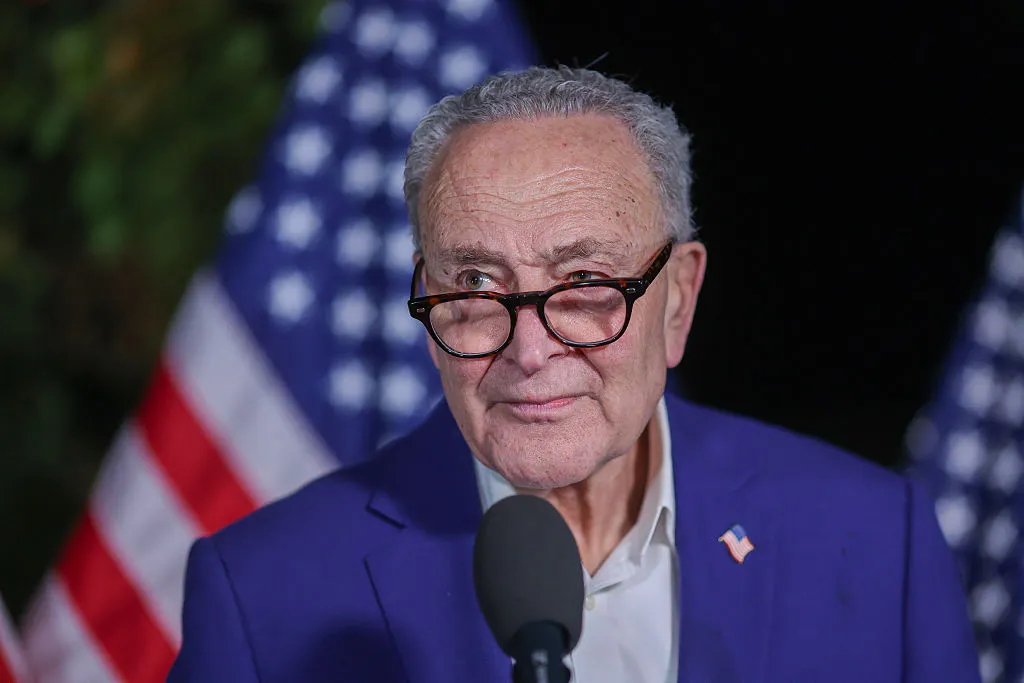
Democrats’ Senate Victory Opens Fight Over Schumer’s Leadership
Democrats’ gains in the midterms have quickly given way to a contest over who should lead their Senate caucus and what the party’s victory means. At least five incoming senators have said they want someone other than Chuck Schumer, who has led Senate Democrats since 2017, to take the top job.
Michigan’s Abdul El-Sayed initially declined to back Schumer, saying the party needed new leadership. On November 5, El-Sayed endorsed Maryland Senator Chris Van Hollen, who has been discussed as a possible 2028 presidential candidate. Kansas’s Adam Hamilton has also reiterated that he wants a different leader, while incoming senators from South Carolina, Maine, Minnesota and Illinois have voiced opposition to Schumer.
Schumer has said he expects to be re-elected and has argued that Democrats share a focus on issues such as affordability and corruption. He says candidates across the party’s ideological spectrum campaigned on similar concerns.
The leadership dispute reflects a larger argument over the election’s message. Progressives say their gains support an ambitious agenda, while moderates point to Democratic wins in Republican-leaning states as evidence that broad appeal and pragmatism mattered. The incoming caucus will have at least 54 seats, with close contests in Alaska and Mississippi potentially lifting that number to 56.
Some incoming Democrats, including Illinois’s Juliana Stratton and Texas’s James Talarico, have called for ending the filibuster, which could clear a path for major legislation. The party’s first months in control will test whether its factions can agree on both leadership and how to pursue their priorities.
Democratic Voters’ Mandate Puts Schumer’s Leadership in Question
Democrats won control of Congress, but the incoming Senate caucus is already confronting a basic question: will its leaders match the appetite for change that progressives say powered the victory? At least five incoming senators have said they want someone other than Chuck Schumer at the helm.
Michigan’s Abdul El-Sayed first called for new leadership without naming a successor, then endorsed Maryland Senator Chris Van Hollen on November 5. Kansas’s Adam Hamilton has also maintained that Schumer should give way. Incoming senators from South Carolina, Maine, Minnesota and Illinois have likewise opposed Schumer’s leadership.
Progressives argue that their election gains strengthen the case for bold legislation. Congressional Progressive Caucus leaders have called for major changes, while activists say the party’s economic message was vindicated. Several incoming Democrats, including Illinois’s Juliana Stratton and Texas’s James Talarico, have also called to end the filibuster, a step that could ease passage of legislation on abortion, guns or welfare programs.
Schumer says he expects to be re-elected and argues that Democrats ran on shared concerns, including affordability and corruption. But unity in campaign messaging does not settle what the party should do with power. Democrats will have at least 54 Senate seats, possibly 56 if close races in Alaska and Mississippi go their way. Their first months in control will show whether party leaders respond to the call for change or constrain it in the name of consensus.
Democrats’ Majority Begins With a Fight Over Leadership and Power
Democrats have barely secured control of Congress, and their new Senate majority is already facing an internal struggle over leadership and the limits of its power. At least five incoming senators have said they want someone other than Chuck Schumer to lead them.
Michigan’s Abdul El-Sayed initially called for new leadership without naming a successor, then endorsed Maryland Senator Chris Van Hollen on November 5. Kansas’s Adam Hamilton has also reaffirmed his opposition to Schumer. Incoming senators from South Carolina, Maine, Minnesota and Illinois have joined the call for a change.
The stakes extend beyond who gets the top job. Incoming Democrats including Illinois’s Juliana Stratton and Texas’s James Talarico have called for ending the filibuster, which could open a route to nationwide abortion legislation, gun restrictions or expanded welfare programs. Democrats will hold at least 54 Senate seats, with close contests in Alaska and Mississippi potentially raising their total to 56.
Schumer says he expects to retain the leadership role and argues that Democrats share priorities such as affordability and corruption. But the party’s factions are already drawing different lessons from the election: progressives want to use the majority for ambitious legislation, while moderates point to wins in Republican-leaning states as evidence that a broader approach helped deliver power.
The test now is whether Democrats can govern together without treating a narrow electoral opportunity as permission to force through every faction’s agenda. Their first months in control will put both the leadership fight and the proposed changes to Senate rules in focus.
Reported by Newsweek, The Daily Wire.


