El-Sayed backs Trump plan to end Israel aid
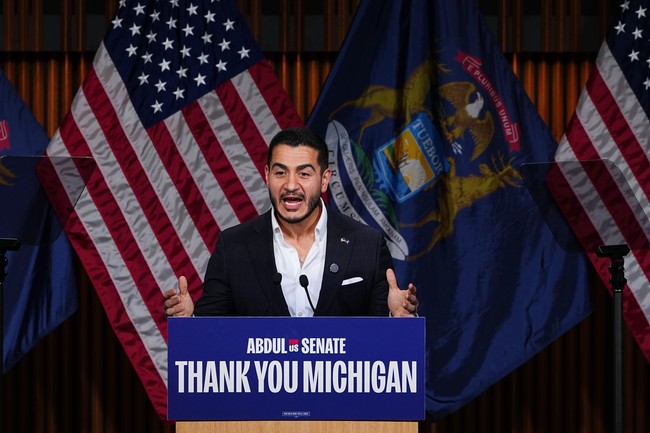
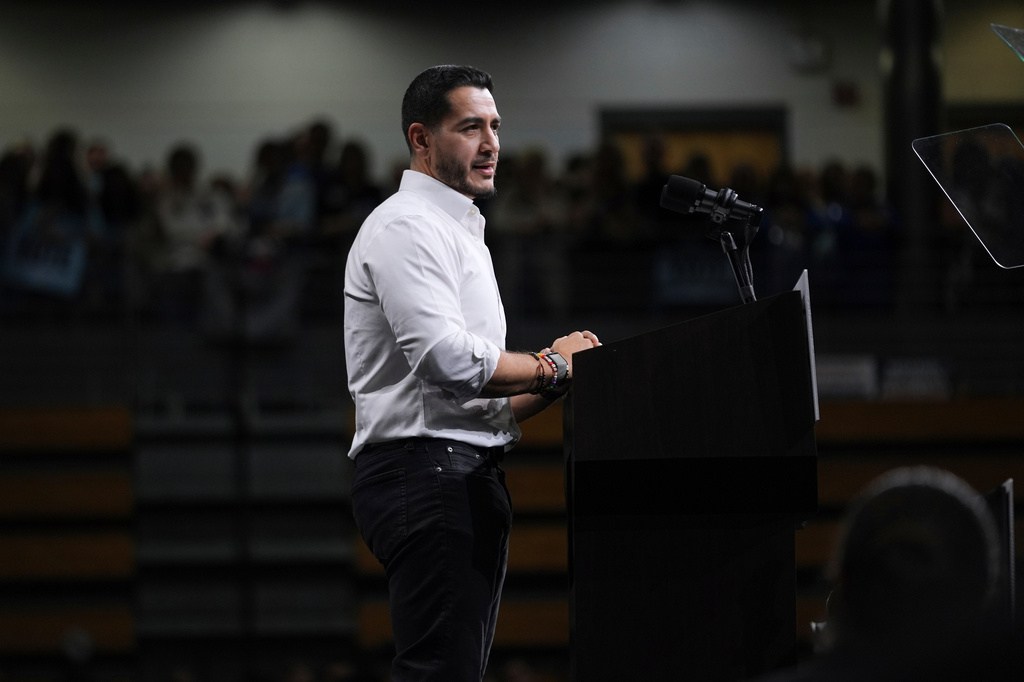
Michigan Sen.-elect Abdul El-Sayed said he supports President Donald Trump’s plan to end U.S. military assistance to Israel and would work with the president to pursue it. El-Sayed made the comments during an appearance on Morning Joe on November 5, after being asked about Trump’s proposal.
El-Sayed argued that the United States should not continue funding or selling weapons to a foreign military that, in his view, has used American support to do harmful things. He also said he was willing to work with anyone on shared priorities, despite his past clashes with Trump and the president’s allies.
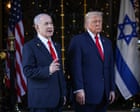
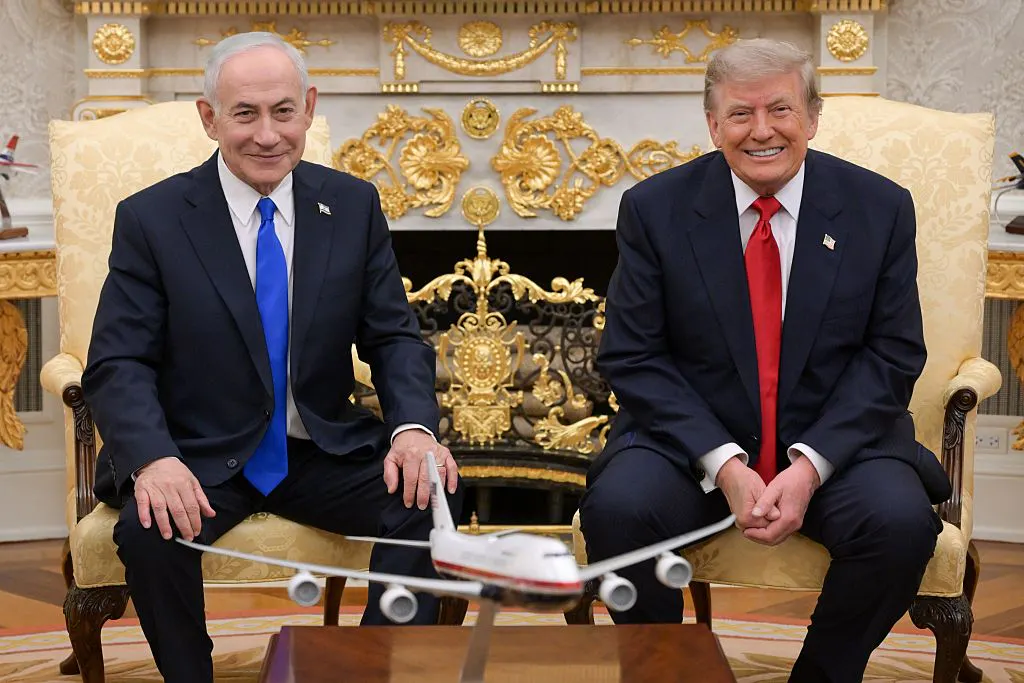
Trump said recently that the United States plans to cut off roughly $4 billion in yearly aid to Israel at the close of 2026. He stated that he and Israeli Prime Minister Benjamin Netanyahu had settled on the matter months before, and that Israel no longer needed the funding. Trump has also said Israel could continue buying U.S. weapons and might receive further help if needed.
The proposal would change a 2016, 10-year agreement committing the United States to provide $3.8 billion a year through fiscal 2028: $3.3 billion in military financing and $500 million for missile-defense programs. Trump has not described how he would put the change into effect.
El-Sayed campaigned against continued U.S. military support for Israel, making the issue a major point of disagreement in Michigan’s Senate contest. Trump repeatedly attacked him during the campaign. Their stated willingness to cooperate on the aid proposal marks common ground on an issue that divided them politically.
El-Sayed backs end to U.S. military aid for Israel
Michigan Sen.-elect Abdul El-Sayed is backing an end to U.S. military assistance to Israel, aligning with President Donald Trump’s plan to stop nearly $4 billion in annual aid. El-Sayed said on Morning Joe on November 5 that he would work with Trump to pursue the change.
El-Sayed argued that the United States should not keep funding or selling weapons to a foreign military that, in his view, has used American support to do harmful things. His position reflects the stance he took during his campaign, when continued U.S. military support for Israel was a major dividing line in the contest.
Trump said the aid would end at the close of 2026, arguing that Israel no longer needed the funding after reaching an agreement with Prime Minister Benjamin Netanyahu months earlier. But the proposal faces a concrete funding commitment: a 2016 agreement calls for $3.8 billion annually through fiscal 2028, including military financing and missile-defense funds. Trump has not explained how he would implement the change.
El-Sayed’s support puts pressure on the longstanding U.S. commitment to provide the assistance, while Trump has said Israel could still buy American weapons and could receive more help if necessary. El-Sayed said he was willing to work with anyone on shared priorities, even after a campaign marked by repeated attacks from Trump.
Trump and El-Sayed find common ground on Israel aid
President Donald Trump’s plan to end U.S. military assistance to Israel has drawn support from Michigan Sen.-elect Abdul El-Sayed, showing that lawmakers can work with Trump on a shared policy priority despite past political clashes. El-Sayed said on Morning Joe on November 5 that he would cooperate with the president on the proposal.
Trump said recently that the United States plans to cut off roughly $4 billion in yearly aid to Israel at the close of 2026. He said Israel no longer needed the funding and that he had struck an agreement with Prime Minister Benjamin Netanyahu months before. Trump has also said Israel could continue purchasing U.S. weapons and might receive further help if necessary.
El-Sayed backed the proposal, arguing that the United States should not continue funding or selling weapons to a foreign military that, in his view, has used American support to do harmful things. He also said he was willing to work with anyone on shared priorities, even after repeatedly clashing with Trump and the president’s allies during the campaign.
The proposed change would have to contend with a 2016 agreement committing the United States to provide Israel $3.8 billion annually through fiscal 2028. The funding includes $3.3 billion in military financing and $500 million for missile defense. Trump has not explained how he would implement the planned end to assistance.
Reported by Newsweek, The Washington Examiner, MSNBC.