Texas Democrats Face Limits in Recasting Public Universities
Texas Republicans reshaped public higher education through laws restricting diversity programs and expanding regents’ authority. Democrats who opposed those measures are preparing to take office in January, but they will not have a clear path to reverse them: Republicans still control the Senate, which must confirm gubernatorial appointments and could block repeals.
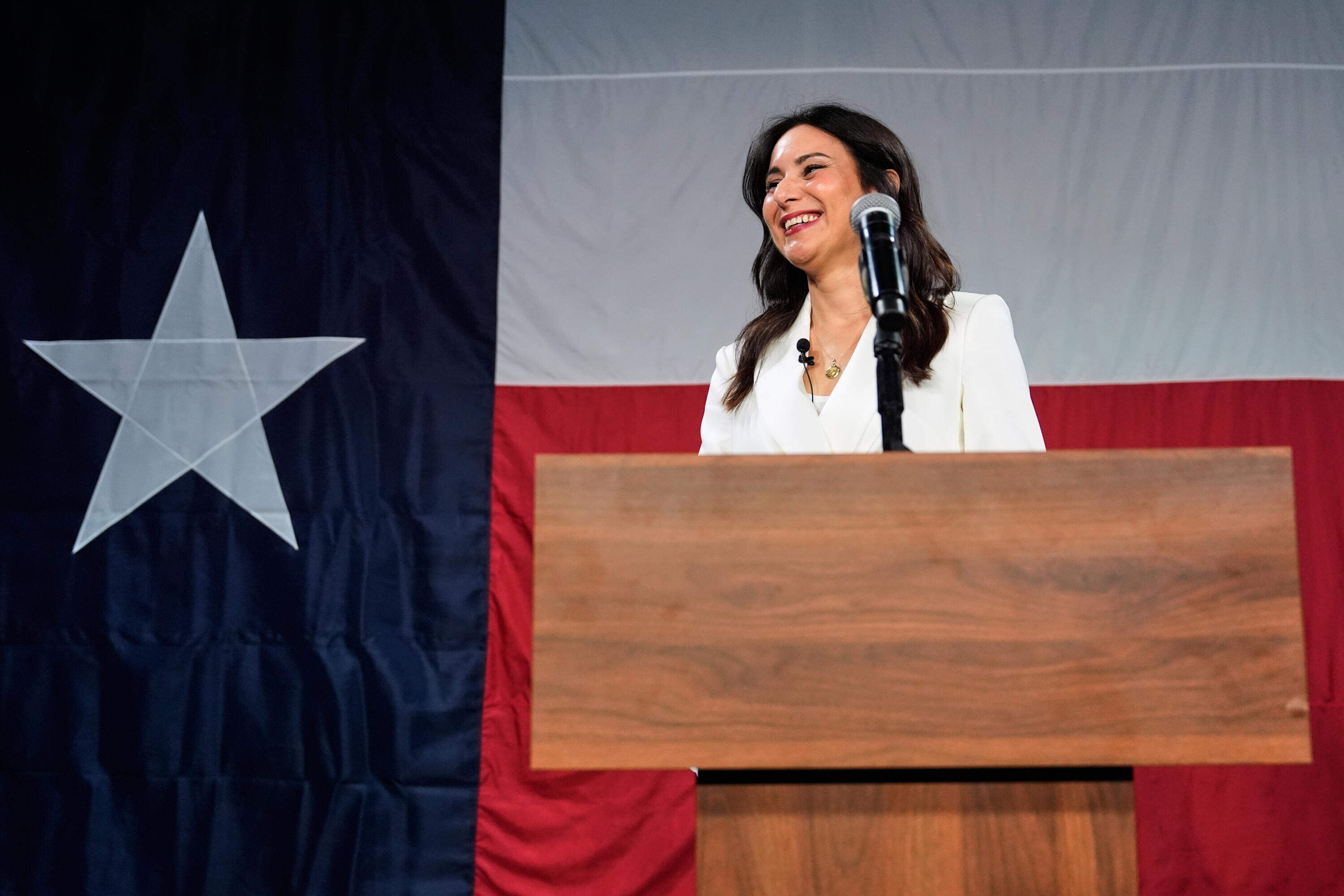
Governor-elect Gina Hinojosa can begin changing university oversight boards as members’ terms expire. Twenty regent seats across the state’s university systems come up next year, including three on the UT System board. But terms are staggered, and Hinojosa cannot dismiss regents outright. Boards, in turn, oversee university leaders and academic decisions.
The laws have already shaped campuses. Senate Bill 17 barred DEI programs at public colleges, while Senate Bill 37 increased regents’ power over academic matters and established an office to investigate complaints about legal compliance. At UT Austin, leaders cited the laws while cutting majors, laying off staff and limiting faculty influence. University leaders could reconsider some restrictions without waiting for lawmakers, though the election’s effects may differ from campus to campus.
The changes also reach beyond those laws. UT Austin has changed senior leadership, revamped its required courses and taken a role in overseeing KUT Public Media. Former station manager Debbie Hiott said she believes KUT should not be exposed to political pressure, regardless of which party governs Texas.
Hinojosa has said she would appoint regents who respect academic freedom. State Sen. Royce West has called for lawmakers to examine the effects of the new restrictions before deciding whether to repeal them. Republican Sen. Paul Bettencourt defended UT’s implementation, saying it had not harmed the university. The next legislative session will test how far the incoming leaders can alter policy while the Senate remains in Republican hands.
Texas Voters Give Democrats a Chance to Restore Campus Freedom
Texas voters have given Democrats a chance to confront a sweeping Republican overhaul of public higher education. The new laws curbed DEI programs and handed politically appointed regents greater authority over academic decisions; Democrats now entering statewide office opposed those measures, though Republicans still control the Senate.
Governor-elect Gina Hinojosa has said she will appoint regents who respect academic freedom. Twenty regent seats across Texas university systems expire next year, including three on the UT System board. But the Senate must confirm her nominees, and staggered terms mean Abbott-appointed board members may remain in place for years.
The stakes are visible at UT Austin, where leaders cited the laws while eliminating majors, laying off staff and reducing faculty influence. The university has also overhauled its core curriculum and intervened in KUT Public Media’s governance. These changes show how state policy and board power can reach into academic life and public media.
Democrats have an opportunity to review the laws and the way universities applied them. State Sen. Royce West wants lawmakers to examine the impact before deciding whether to repeal the measures, while campus leaders could reconsider restrictions even before lawmakers act. The GOP Senate remains a major obstacle to undoing the laws, but it does not erase the new administration’s influence over appointments and implementation.
Former KUT manager Debbie Hiott has argued the station should be protected from political interference no matter which party controls state government. The coming session will show whether the new leadership treats academic freedom and institutional independence as priorities or leaves the Republican changes in place.
Texas Republicans’ University Overhaul Faces a Democratic Test
Texas Republicans put new safeguards and stronger oversight into public higher education, and the election has not erased that work. Democrats are taking the governor’s office and House, but the GOP keeps the Senate, leaving the laws in place and giving Republicans leverage over appointments and any repeal effort.
Senate Bill 17 barred DEI programs at public colleges, while Senate Bill 37 expanded regents’ authority over academic decisions and created an office to investigate alleged violations. UT Austin cited the laws as it cut majors, laid off staff and reduced faculty influence. Republican Sen. Paul Bettencourt said the university had carried out the changes well and argued there was no reason to fix a system that was not broken.
Governor-elect Gina Hinojosa can nominate regents as terms expire, but Senate confirmation is required and existing board members cannot simply be removed. Twenty seats across university systems come up next year, while many others have years left on their terms. Even a Democratic governor, therefore, cannot quickly remake every board or dictate campus leadership.
The election could still affect how universities interpret the rules. Some leaders may reconsider restrictions, while supporters of the laws may watch more closely for violations, experts said. Republican board chairs and appointees also continue to hold influential positions at systems including UT, Texas A&M and Texas Tech.
KUT’s future is another point of debate after UT fired its general manager earlier in the year. Former manager Debbie Hiott wants the station insulated from political influence, while Hinojosa’s incoming administration is expected by Hiott to support public media more broadly. The Republican Senate and existing university boards will help determine whether Texas’s higher-education changes endure.
Reported by KPRC 2 Click2Houston, Houston Public Media.