California Approves Permit for Sites Reservoir
On November 4, California regulators approved a water-right permit for the Sites Reservoir, a proposed project near Maxwell, about 70 miles northwest of Sacramento. The unanimous State Water Resources Control Board vote advances plans for California’s first major new reservoir in decades, though opponents continue to challenge its impacts and cost.
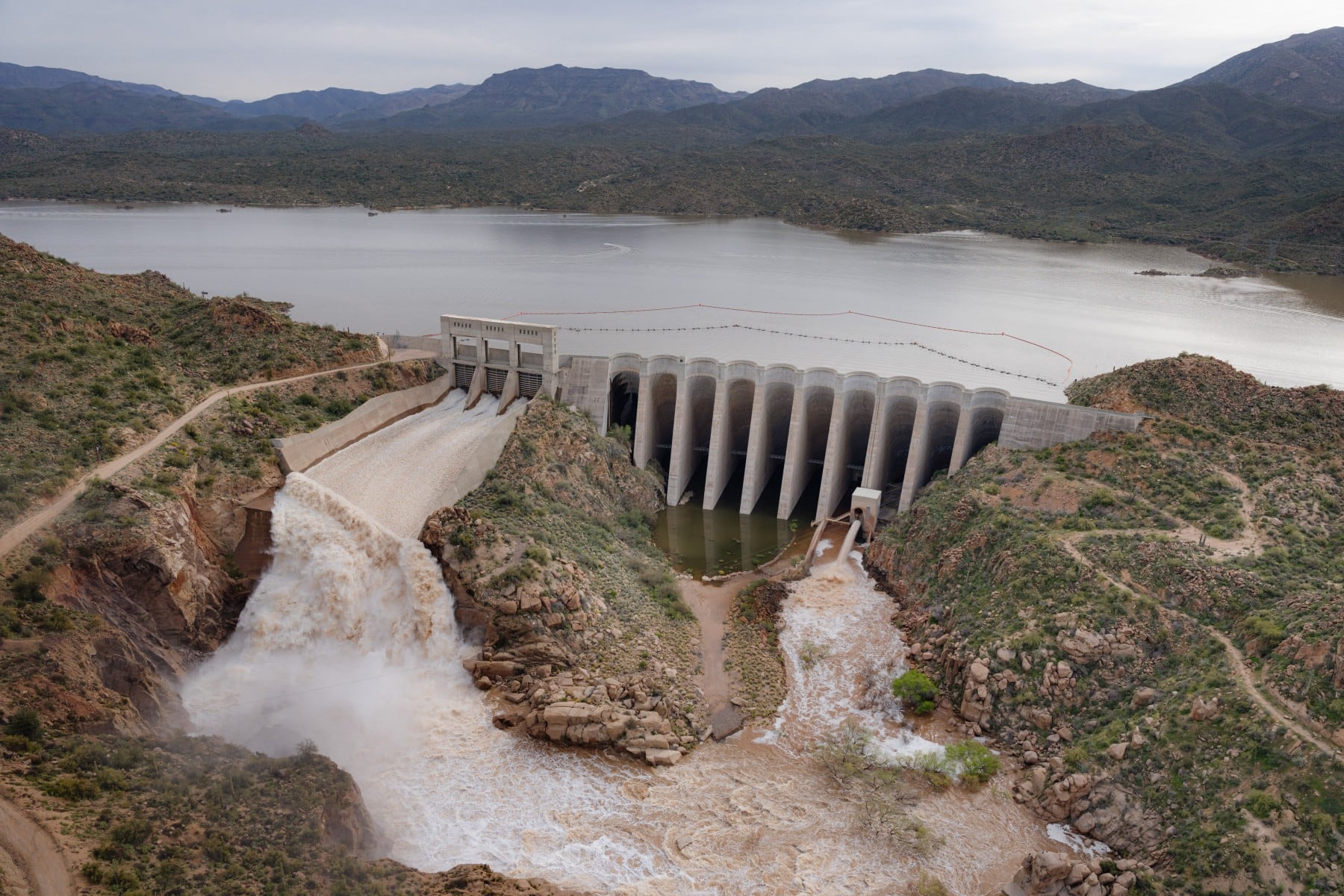
The plan includes two dams nearly 300 feet high and nine smaller dams. The reservoir would cover about 15,000 acres and store up to 1.5 million acre-feet of water drawn from the Sacramento River in rainy stretches and saved for periods of lower supply. The project is estimated to cost between $6.2 billion and $6.8 billion; state and federal funding would cover about a third, with participating water agencies expected to pay the rest.
Supporters say added storage is needed as California faces more extreme droughts and floods. Board Chair E. Joaquin Esquivel said the project is intended to store water during wet periods. Gov. Gavin Newsom welcomed the decision, saying it showed the state could advance major infrastructure projects.
Environmental and fishing advocates argue the reservoir could take too much water from the Sacramento River, harming salmon and other native fish, and affect the Sacramento-San Joaquin Delta. They also question its cost and water yield. Native communities have warned that flooding could damage culturally significant areas and ancestral burial grounds. The board said it had considered objections and found environmental safeguards sufficient. Construction is expected to begin in 2027, with completion scheduled for 2034.
California Approves Costly Reservoir Despite River and Climate Concerns
California’s water board has approved a costly reservoir over objections from environmental and fishing advocates who warn that the project could damage rivers and native fish. The unanimous November 4 vote gives the Sites Reservoir a water-right permit, but does not settle concerns about whether its benefits justify its environmental and financial costs.
The proposed reservoir near Maxwell would flood about 15,000 acres and store water taken from the Sacramento River. Its two major dams and nine smaller ones would create capacity for as much as 1.5 million acre-feet. The estimated price is $6.2 billion to $6.8 billion, with water agencies expected to shoulder most costs not covered by state and federal funding.
Friends of the River policy director Keiko Mertz argued the reservoir would be extremely expensive for a small average increase in California’s water supply. Critics also say withdrawals could harm salmon and other native fish, warm river water, worsen algae blooms and degrade the Delta. Environmental groups have raised concerns about greenhouse gas emissions, while Native communities say flooding threatens places of cultural and ancestral importance.
Officials argue that more storage is needed as droughts and floods grow more extreme. The board said it considered objections and was satisfied with the project’s environmental safeguards. Construction is expected to start in 2027 and finish in 2034, leaving the state to weigh promised water storage against costs and risks that opponents say remain substantial.
California Clears Reservoir Project to Strengthen Water Storage
California has taken a long-awaited step toward building the Sites Reservoir, approving a water-right permit for a project designed to capture water in rainy periods and save it for times of lower supply. The November 4 decision advances infrastructure supporters say is needed as the state faces more extreme swings between drought and flooding.
Planned near Maxwell, the reservoir would hold up to 1.5 million acre-feet of water drawn from the Sacramento River. The project calls for two dams nearly 300 feet high and nine smaller dams, flooding about 15,000 acres. Its estimated cost is $6.2 billion to $6.8 billion, with state and federal funds expected to cover about one-third and participating water agencies to fund the remainder.
Board Chair E. Joaquin Esquivel said Sites is built to store water during wet periods. Gov. Gavin Newsom praised the approval as evidence that California can move large infrastructure projects forward. Construction is expected to begin in 2027, with completion planned for 2034.
Opponents say the reservoir’s water yield does not justify its cost and warn that river withdrawals could damage salmon, other native fish and the Sacramento-San Joaquin Delta. Native communities have also raised concerns about flooding culturally significant areas and ancestral burial grounds. The water board said it considered those objections and found environmental safeguards adequate. Those concerns deserve attention, but the state’s approval reflects the case for adding storage to a system facing increasingly unpredictable water conditions.
Reported by Los Angeles Times, Newsweek.