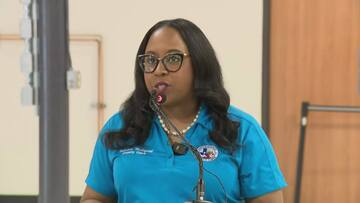
Texas AG-elect Johnson vows to end suits over mailed abortion pills
Nathan Johnson, a Democrat elected Texas attorney general, said he will stop the state from bringing lawsuits against doctors beyond Texas for prescribing abortion pills to Texans. The move reverses an enforcement tactic used by outgoing Attorney General Ken Paxton, who is leaving the office to run for the U.S. Senate.
Johnson said he cannot change the state’s abortion laws, but can stop using them to target providers beyond Texas. He said he would not claim Texas law applies in other states and would respect those states’ shield laws, which are intended to protect medical providers from such legal action.
Texas law bars doctors in the state from mailing abortion medication. Paxton’s lawsuits against out-of-state providers had faced resistance from states with shield laws, while abortion-rights advocates said the cases discouraged Texans from obtaining the pills.
Johnson’s pledge does not repeal Texas’ near-total abortion ban. Democratic Governor-elect Gina Hinojosa cannot overturn it unilaterally, and has said repeal is not a priority because it would require approval from the Republican-controlled Legislature.
Hinojosa could still affect how state laws and programs are administered. Potential areas include funding for Thriving Texas Families, appointments to health agencies and the Texas Medical Board, and lawmakers’ reviews of those agencies. Texas Right to Life president John Seago said he is concerned Democrats could weaken the pregnancy-support program and other abortion restrictions. He also expects the state’s private-lawsuit law targeting abortion-pill providers to remain in place.
Texas Democrats begin curbing abortion-ban enforcement
Texas’ incoming Democratic leadership is preparing to loosen the grip of the state’s abortion ban, starting with a consequential change in the attorney general’s office. Nathan Johnson said he will stop suing doctors in other states for prescribing and mailing abortion medication to Texans, ending a tactic used by outgoing Republican Ken Paxton.
Johnson said Texas law should not be used to pursue providers beyond the state’s borders, particularly where other states have enacted shield laws. Texas itself bars in-state doctors from mailing the medication, and abortion-rights advocates say Paxton’s cases discouraged patients from obtaining pills.
The change will not erase the near-total ban. Governor-elect Gina Hinojosa cannot repeal it on her own, and she has said repeal is not a priority because it would require legislation from a Republican-controlled Legislature. But she may influence implementation, agency leadership and medical-board guidance on abortions to save a patient’s life.
Those levers matter in a state where advocates have criticized the medical board’s guidance as leaving doctors too uncertain when urgent care is needed. Hinojosa could also affect the state’s Thriving Texas Families program, which directs more than $200 million to private contractors, and agency budgets during legislative reviews.
Republican anti-abortion advocate John Seago fears the incoming administration could cut or redirect that funding and undo restrictions built under Republican leadership. His concerns underscore what Johnson’s decision makes clear: even without changing the ban, state officials can choose whether to use government power to intensify its reach.
Democratic Texas leaders target abortion enforcement without repealing ban
Texas Democrats are moving to weaken enforcement of the state’s abortion restrictions, even as they lack the votes to repeal the ban. Attorney General-elect Nathan Johnson said he will end lawsuits against doctors in other states who prescribe and mail abortion pills to Texans, abandoning a strategy pursued by Republican Ken Paxton.
Johnson says Texas should not apply its law beyond its borders and will respect other states’ shield laws. But Texas law still prohibits in-state doctors from mailing the medication, and the state’s private-suit law against providers remains on the books. Seago, president of Texas Right to Life, expects that law to survive the coming legislative session.
The broader concern for anti-abortion advocates is the power incoming Democratic Governor Gina Hinojosa may wield over state agencies and programs. She cannot repeal the ban herself and has said repeal is not a priority, but she could influence agency appointments, budget decisions and the implementation of medical exceptions.
Seago has raised particular concern about Thriving Texas Families, which sends more than $200 million to private contractors for services that include counseling pregnant women against abortion. Hinojosa has voted against the program, and he worries she may cut its funding or shift it elsewhere.
The change in the attorney general’s approach therefore narrows one enforcement avenue without changing the law itself. Democrats may also use agency reviews and appointments to alter how abortion-related rules are administered, while the ban and other state restrictions remain in effect.
Reported by KPRC 2 Click2Houston, The Washington Examiner.