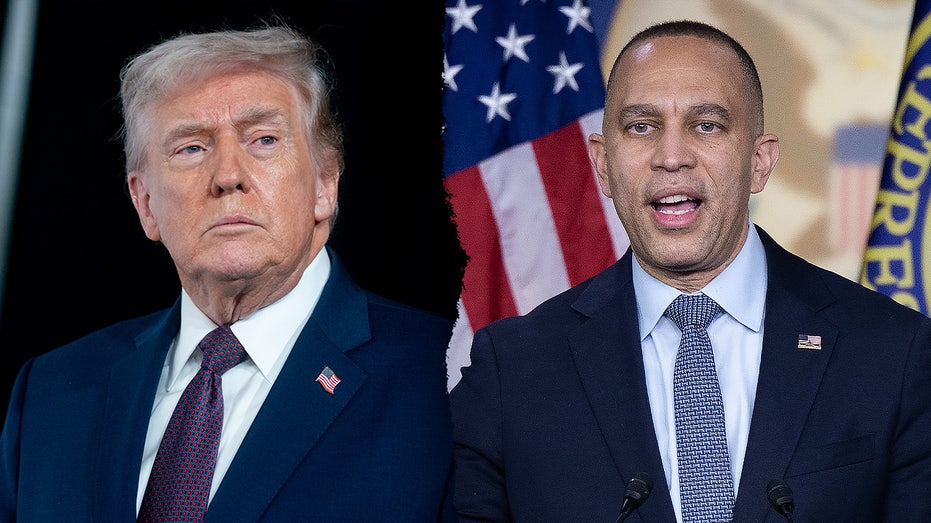
Progressives Press Democrats to Act on Costs and Corporate Power
Progressive lawmakers are urging Democrats to turn their election gains into legislation, with caucus leaders calling for a sustained push on affordability, healthcare, wages and corporate influence when the 120th Congress begins in January. The caucus expects at least 25 new members and will have more than 100 members, its leaders said.
Chair Greg Casar proposed sending President Donald Trump bills regularly, including measures addressing price-gouging and stock trading. He said Democrats could campaign on the proposals if Trump vetoes them. The caucus’s strategy is to use the bills to establish a party agenda and put Republicans on record through votes.
The priorities also include Medicare for All, affordable housing, childcare, labor protections and limits on billionaire and super PAC influence in elections. Rep. Summer Lee cited the influence of industries including cryptocurrency and artificial intelligence. Rep.-elect Will Lawrence, who campaigned against data center development, said his background in organizing helped him understand voters’ concerns.
Progressive-backed candidates won several competitive races. Lawrence won a Michigan seat, while Randy Villegas in California, Katy Padilla Stout in Texas and Sam Forstag in Montana also won or held leads in districts carried by Trump in 2024. The caucus-backed slate won six of nine targeted House races, with one Maine contest still unresolved in the account.
Some of the new lawmakers have already identified priorities. Villegas said he would co-sponsor Jayapal’s Medicare for All bill and seek to restore Medicaid funding. Progressives have not settled on one first bill, and their plans will face a test under Trump, who has threatened to veto legislation from the incoming Democratic majority.
Voters Gave Democrats a Mandate to Deliver for Working Families
Democrats should use their new congressional majorities to deliver the economic relief voters demanded, progressives say. With the Progressive Caucus set to exceed 100 members, chair Greg Casar is pressing the party to send popular bills to President Donald Trump regularly, even if he vetoes them.
The agenda targets corporate price-gouging, lower costs, stronger wages, affordable housing and healthcare. It also includes Medicare for All, low-cost childcare and policies to create union jobs. Rep.-elect Randy Villegas said he would co-sponsor Jayapal’s Medicare for All bill and fight to restore Medicaid funding for his district.
Progressives argue that candidates won even in competitive and Trump-carried districts by campaigning on working-class concerns. Will Lawrence, who won a Michigan swing seat after opposing data center development, said organizers who rejected corporate PAC money could listen closely to voters. The caucus-backed candidates won six of nine targeted House races, while another contest remained unsettled.
The incoming majority now has the chance to show that voting Democratic can improve people’s lives. Trump has threatened vetoes, but progressives say that should not stop the party from putting its promises into legislation. They also want action against billionaire and special-interest influence in politics, including from the AI industry.
Progressives Plan to Push Democrats Toward Their Costly Agenda
Progressive lawmakers are treating Democratic election gains as permission to push a sweeping agenda through Congress, calling for bills on healthcare, corporate power, labor and artificial intelligence. Caucus chair Greg Casar wants Democrats to send Trump legislation regularly and use any vetoes as campaign material.
The proposals include Medicare for All, expanded support for childcare and housing, restrictions on corporate price-gouging, and limits on billionaire and super PAC influence. Progressives also want to challenge the AI industry and data center development. These are the priorities of a caucus expecting at least 25 new members and more than 100 members overall.
The election brought wins for several progressive-backed candidates in competitive districts, including Will Lawrence in Michigan and Randy Villegas in California. Lawrence made opposition to data centers central to his campaign. Progressive leaders point to these results as evidence for their agenda, but the incoming Congress will still have to turn broad campaign themes into specific legislation.
Trump has threatened to veto bills from the new Democratic class. Progressives say they intend to keep up pressure throughout the two-year term, rather than settle on one immediate priority. Their plans would expand government’s role across healthcare, labor and economic regulation, while Democrats’ leaders face pressure to decide how far to follow the caucus.
Reported by The American Prospect, The Intercept.