Oil Prices Slide After Midterms as Iran Peace Hopes Grow
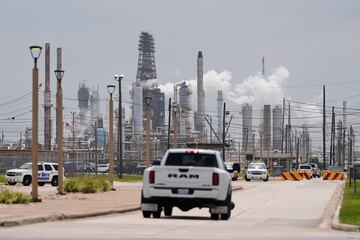
Brent crude dropped below $100 a barrel on November 4 for the first time since October 7, falling nearly $8, or 8.3%. U.S. West Texas Intermediate crude also lost 8.3%, closing at about $88.12. It was the steepest daily decline in oil prices since April.
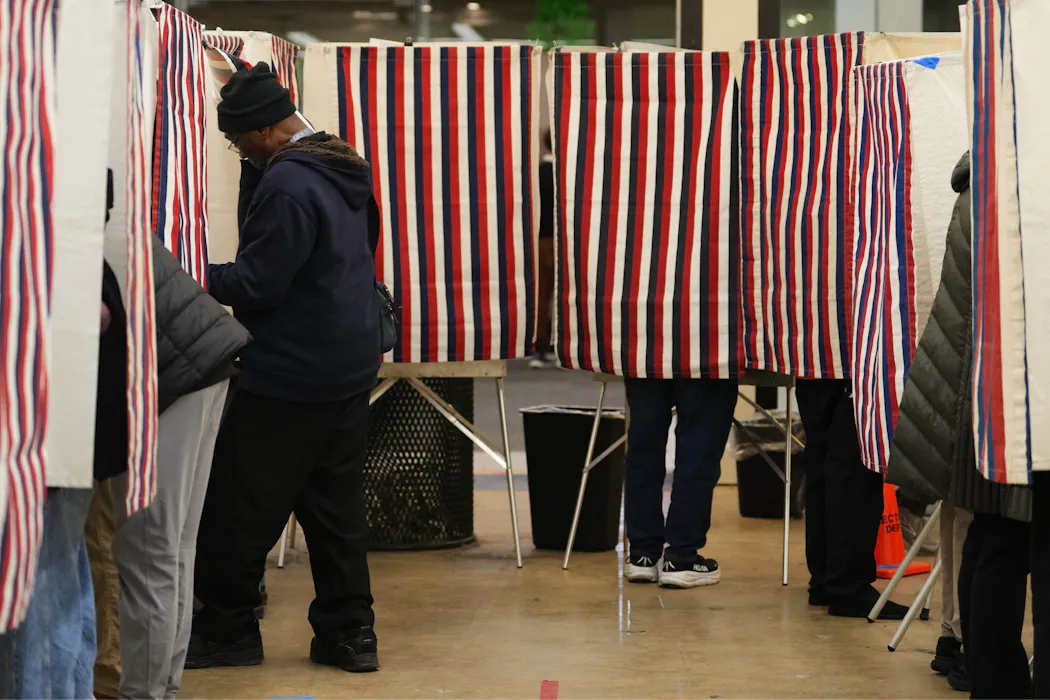
The fall followed the midterm elections, in which Democrats are set to take control of both the House and Senate. Oil prices were pushed lower by growing hopes for a resolution to the Iran war. The conflict has disrupted shipping through the Strait of Hormuz, a route used to transport about one-fifth of global oil supplies.
A GasBuddy analyst said the decline could bring the national average price of gasoline below $4 a gallon in the days ahead. U.S. gasoline prices were the highest recorded for any midterm election, leaving Republicans defending their record on energy costs.
Energy prices have weighed on incumbents in past elections, as higher fuel costs can feed into prices for other goods, including food. In 2022, gasoline reached a record $4.929 a gallon as inflation hit 9.1%. During the 2018 midterms, Republicans lost 41 House seats while crude and gasoline prices had risen from their levels when Donald Trump took office.
Some conservative social media users questioned the timing of the oil drop and suggested prices may have been manipulated to affect the election. The sharp decline itself does not establish that claim; the stated market driver was optimism about a possible end to the Iran conflict.
Oil Relief Shows Why Energy Costs Matter to Voters
Oil fell sharply on November 4, offering potential relief to consumers after gasoline prices reached their highest level recorded for a midterm election. Brent crude dropped below $100 a barrel, while U.S. crude fell 8.3% to about $88.12. A GasBuddy analyst said the move could bring average gasoline below $4 in the days ahead.
The market’s stated driver was rising hope for a resolution to the Iran war, which has disrupted a shipping route carrying about one-fifth of the world’s oil. The price drop came as Democrats prepared to take control of the House and Senate, with energy costs a central political vulnerability for Republicans defending their record.
The election underscores the stakes of fuel prices: when energy costs rise, prices for other goods, including food, can follow. In 2022, gasoline hit $4.929 a gallon and inflation reached 9.1%. High costs have repeatedly tested governing parties, even when presidents and Congress cannot control global oil markets.
Conservative social media users cast suspicion on the post-election timing, but the price movement is not evidence of manipulation. The explanation cited for the decline was optimism about peace in Iran. For consumers, the immediate question is whether that optimism translates into cheaper fuel.
Oil Drops After Election, but Timing Fuels Questions
Oil prices plunged the day after Democrats won control of Congress, with Brent crude falling below $100 a barrel and U.S. crude dropping 8.3% to about $88.12. The timing prompted conservative social media users to question why prices fell so suddenly after an election in which high gasoline costs put Republicans on the defensive.
Markets pointed to growing hopes for a resolution to the Iran war as the reason for the decline. That conflict has disrupted the Strait of Hormuz, a passage for about one-fifth of global oil supplies. The price move alone does not prove that anyone manipulated energy markets, but the coincidence is politically striking after gasoline prices reached their highest level recorded for a midterm election.
A GasBuddy analyst said the drop could push average gasoline below $4 a gallon in the days ahead. The consumer relief would matter: energy costs feed into prices for other goods, and high inflation and fuel prices have hurt incumbents across several election cycles.
The episode also highlights how little control politicians have over oil prices set in global markets. Democrats will take power in both chambers as consumers await any sustained reduction in fuel costs; the reported market explanation remains hope for progress toward ending the Iran conflict.
Reported by The Conversation US, Twitchy.