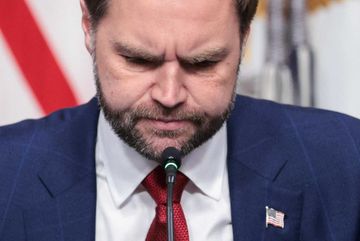
Vance Blames Iran War for Republican Election Losses
In a post on X the morning after the elections, Vance said many voters who supported Donald Trump and Vance in 2024 had backed Democrats in 2026. He identified the war in Iran as the central reason for the losses and listed ending the war, addressing living costs and inflation, putting America first, and changing the U.S. relationship with Israel among priorities for Republicans.
Vance also warned that party figures would use the defeats to argue for amnesty. He said he was open to changing immigration enforcement, including targeting businesses that employ unauthorized workers, but opposed amnesty. Exit polls showed Republicans leading Democrats on immigration, 44% to 40%.
The election losses have prompted Republican calls to reconsider the party’s direction. Senator John Curtis said Republicans should return to conservative principles, while Representative Pete Sessions said Trump would need to reassess the administration’s immigration ideas. Vance’s warning echoed a post-election GOP review after the party’s 2012 defeat, which urged support for comprehensive immigration reform.
Trump said he hoped to work with Democrats on legislation, including immigration, though he also noted he could veto bills passed by a Democratic-controlled Congress. Democratic Senate candidate Abdul El-Sayed, who won Tuesday, joked in his acceptance speech that Vance would have to swear him into office in January.
Vance’s Election Postmortem Skips His Record on Costs and War
Vance’s account of the Republican defeats puts the spotlight on the Iran war and voters’ concerns about costs, but leaves his administration facing the same questions that helped define the election. He said Republicans should end the war, address inflation and living costs, and reconsider the U.S. relationship with Israel.
He also argued against amnesty and warned that party figures would use the results to push for it. Yet the election brought Democrats to power in contests where voters were weighing the administration’s record, and Vance himself said many 2024 Trump-Vance voters switched sides. Exit polls put Republicans ahead of Democrats on immigration, 44% to 40%.
Trump said he was willing to work with Democrats on immigration and other issues, while retaining the ability to veto legislation. That leaves the administration promising cooperation even as Vance rejects one possible route to a deal. Abdul El-Sayed, a winning Democratic Senate candidate, made light of the prospect of Vance swearing him into office in January.
The party’s response will test whether Republicans address voters’ concerns about the war and household costs or turn first to immigration proposals Vance says voters did not demand.
Vance Rejects Amnesty as Republicans Debate Their Election Losses
Vance is pushing Republicans to resist a familiar post-election response: treating defeat as a reason to loosen immigration rules. He said he would consider changing enforcement, including a sharper focus on employers of unauthorized workers, but rejected amnesty as the answer.
The election results did not erase immigration’s appeal among Republican voters. Exit polls showed Republicans leading Democrats on the issue, 44% to 40%. Vance also said the party should end the Iran war, focus on inflation and living costs, put America first, and rethink the U.S. relationship with Israel.
Some Republicans are already urging a broader reset. Senator John Curtis called for a return to conservative principles, and Representative Pete Sessions said Trump should reconsider the administration’s immigration ideas. Trump, meanwhile, said he hoped to work with Democrats on immigration, while pointing out that he could veto bills passed by their Congress.
Vance’s warning draws on the party’s response to its 2012 presidential defeat, when a GOP review recommended comprehensive immigration reform. The current debate is whether Republicans will repeat that call or stick with the curbs Vance says their voters support.
Reported by Breitbart, Daily Kos.