Lawrence Claims Michigan House Seat After Data Center Fight
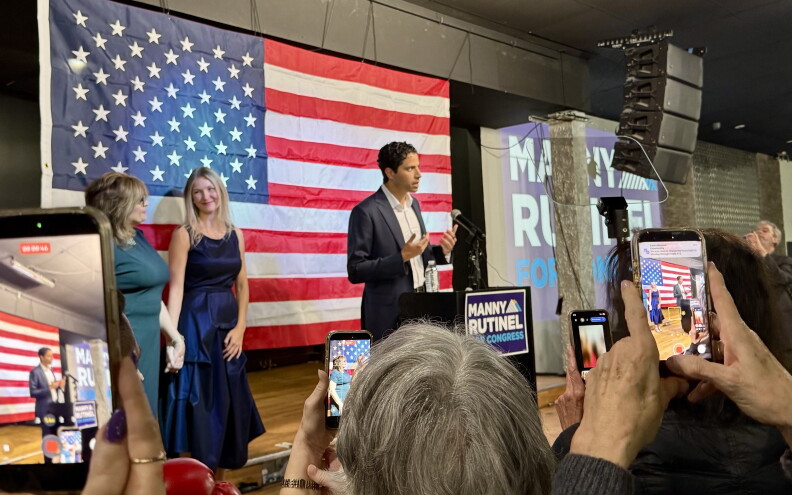
William Lawrence declared victory over Rep. Tom Barrett in Michigan’s 7th Congressional District on November 4. At 2:05 p.m., Lawrence had 51% of the vote and Barrett 47.7%, according to the Associated Press figures cited in the reports. Barrett won the seat by about four points in 2024, when Donald Trump carried the district by one point; national news organizations had not called the race earlier Wednesday morning.
Lawrence made opposition to proposed data centers a major part of his campaign, including a plan for a pause on new construction, environmental rules and a nationwide employment initiative for people whose work is displaced by artificial intelligence. His first television ad focused on a proposed hyperscale facility near Mason, where residents from both parties have voiced concerns about the project and its potential effects on water and noise.
Barrett sought to portray Lawrence’s activist background and past social media posts as evidence of extremism. As the race tightened, Barrett proposed federal legislation to bar local officials from signing nondisclosure agreements with developers and to let communities set data center rules. He had also voted for a tax-and-spending bill that included tax reductions that could aid developers of rural data centers. Some residents wanted stronger federal protections, while Lawrence’s campaign used local opposition to the proposed development as a central appeal.
Lawrence’s Data Center Fight Helps Deliver a Michigan Win
William Lawrence’s victory declaration in Michigan’s 7th Congressional District shows how a populist challenge to corporate data center expansion can resonate in a closely divided district. On November 4, Lawrence led Barrett 51% to 47.7% in Associated Press figures cited in the reports. Barrett had won the seat by about four points in 2024, when Donald Trump carried the district by one.
Lawrence centered his campaign on opposition to proposed data centers, calling for a halt to new development, environmental regulations and a jobs program addressing work displaced by artificial intelligence. His first television ad targeted a proposed hyperscale facility near Mason, where residents across party lines have raised concerns about the project and its possible effects on water and noise.
Barrett tried to make Lawrence’s activist history and past social media posts a liability, then proposed letting local communities regulate data centers. But Barrett had voted for a bill containing tax reductions that could aid developers of rural data centers. Residents seeking stronger protections had reason to question whether local control alone would be enough. Lawrence made the conflict over development a central test of whose interests candidates would defend.
Lawrence Wins on Data Centers as Barrett’s Local-Control Plan Falls Short
William Lawrence’s declared win in Michigan’s 7th District puts a progressive in a seat that Donald Trump carried by one point in 2024. On November 4, Lawrence led Republican Rep. Tom Barrett 51% to 47.7% in Associated Press figures cited in the reports. Barrett had won the seat by about four points in 2024.
The race turned in part on proposed data centers near Lansing. Lawrence called for a moratorium on new construction, environmental rules and a national jobs program to address work displaced by artificial intelligence. In Mason, residents from both parties have objected to a proposed hyperscale facility, citing concerns that include water and noise. Lawrence’s first television ad put the proposed project at the center of his campaign.
Barrett proposed barring local officials from signing nondisclosure agreements with developers and allowing communities to set data center rules. Yet some residents said that approach lacked federal protections or guidelines, while Barrett had backed a bill with tax reductions that could aid developers of rural data centers. The election underscores the political cost of leaving communities to confront large projects without the protections some voters sought.
Reported by The Intercept, NBC News, The Washington Examiner, CBS News, Breitbart, PBS NewsHour.