Artemis II Rocket Burns Disturbed the Ionosphere, Raising GPS Concerns
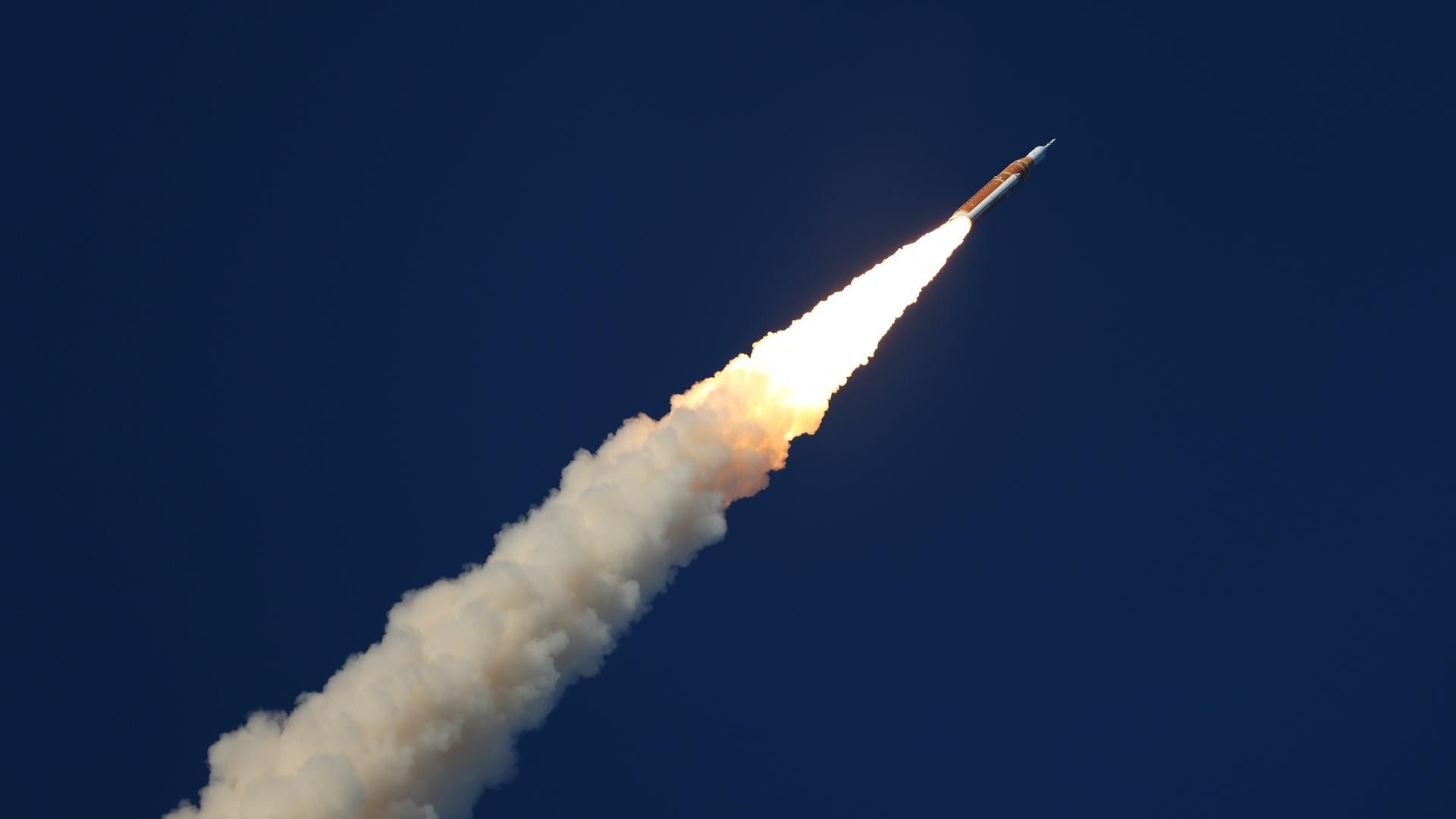
A study of NASA’s April 2026 Artemis II mission found that its launch and later engine burns produced three disturbances in the ionosphere, the upper-atmosphere region that GPS signals pass through. Changes in the region can alter signal travel times and affect positioning accuracy.
Researchers analyzed measurements from fixed GPS receiver networks. They identified disturbances after liftoff and during two later engine burns, including one about two hours after launch and another roughly 25 hours later. The largest stretched across about 50 degrees of longitude over North America, the study said.
The effects did not amount to a widespread GPS outage, and the study did not find that the mission caused vehicle malfunctions, drones to go off course or traffic collisions. But researchers said the changes could matter for technologies that need highly precise positioning. Charles Lin, a study co-author, said errors of a few meters could affect autonomous cars and drones.
Rocket exhaust can reduce the concentration of charged particles in parts of the ionosphere, creating temporary areas known as ionospheric holes. The disturbances from rocket launches are shorter-lived than those caused by severe solar storms, which can disrupt GPS for days.
The findings raise questions about the effects of more frequent rocket launches and high-altitude engine burns. Lin said such effects could become more significant as more missions travel to the Moon and Mars. The study appeared as a preprint in Geophysical Research Letters.
Reported by Space.com, Newsweek, New York Post.




