Collingswood Ends Dry-Town Ban as Camden County Approves Tax Increase
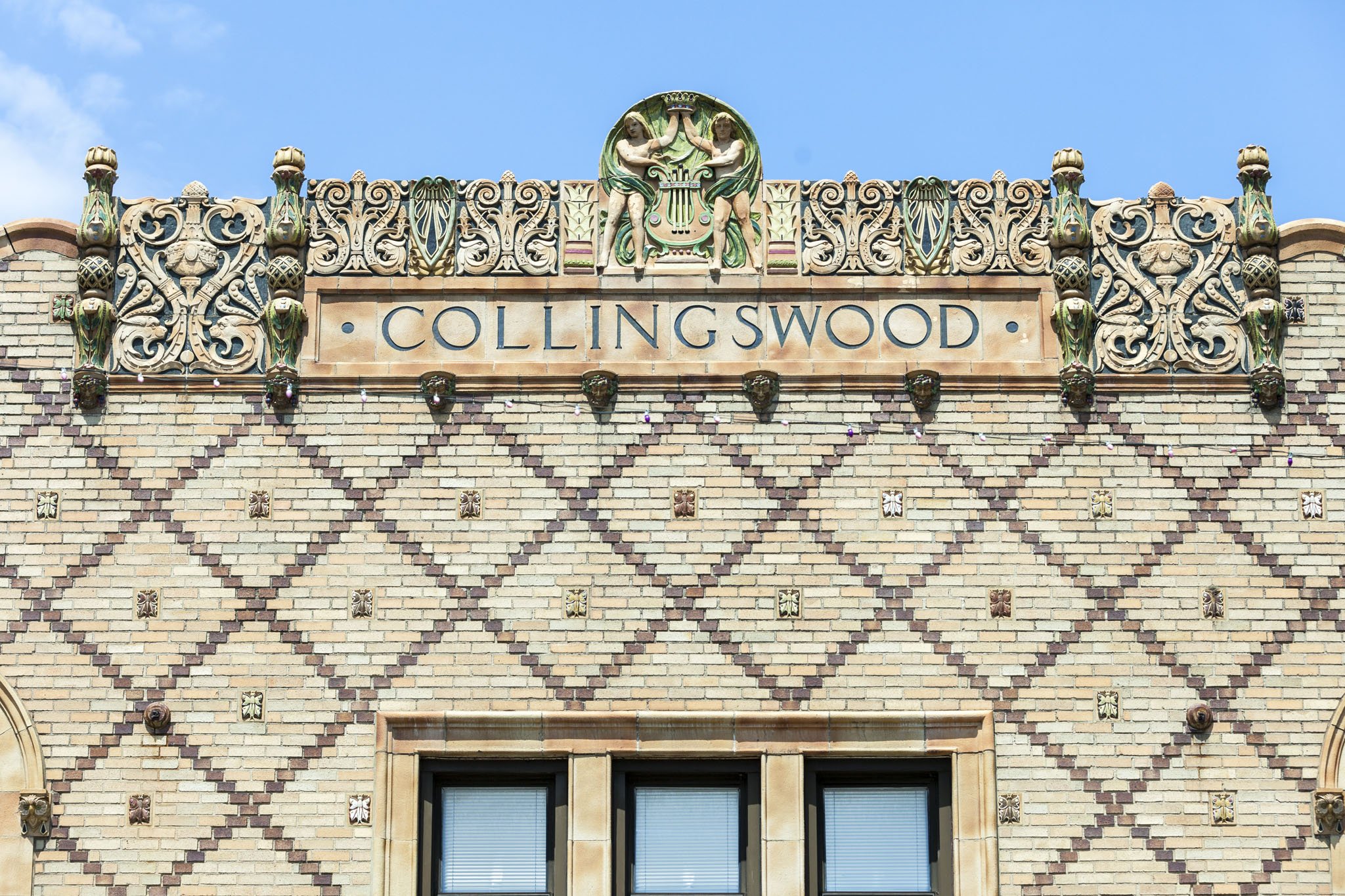
On November 4, voters in Camden County, New Jersey, approved two changes with local consequences: Collingswood will be able to permit alcohol sales after more than a century, and county taxes will rise to support stormwater infrastructure and flood prevention.
Collingswood’s ballot measure passed by 3,506 votes to 2,322, an unofficial margin of 1,184. All 12 precincts were reporting in the county clerk’s unofficial results. The question reached the ballot after residents organized a petition campaign, and the borough’s commissioners approved placing it before voters in August.
State law sets the number of liquor licenses according to population, allowing one license for every 3,000 residents. Borough officials must establish a licensing process after the results are certified. That process will include yearly charges and presentations by people seeking licenses; the timing, cost and applicants for the first licenses have not been established.
The countywide tax increase is intended to address aging stormwater systems and bolster flood prevention. The available results provide no amount for the increase or further detail about how the work will be carried out.
Collingswood’s vote reduces the number of New Jersey dry towns. About 30 remain statewide, with Audubon Park and Haddonfield the other dry municipalities in Camden County. The Collingswood result remains unofficial until county certification.
Voters Back Flood Prevention and a More Open Collingswood
On November 4, Camden County voters supported investing in flood prevention and aging stormwater infrastructure, while Collingswood voters approved ending a ban that had kept the borough dry for more than a century. The results reflect voters choosing local change on both infrastructure and everyday life.
The countywide tax increase is intended to improve stormwater systems and strengthen flood prevention. The available results do not specify the increase’s size or the details of the work, but they establish a funding direction for addressing aging infrastructure.
In Collingswood, the measure passed 3,506 to 2,322 in unofficial results, with all 12 precincts reporting. Residents organized the petition effort that put the question on the ballot, and borough commissioners approved it in August. State law allows one liquor license per 3,000 residents.
The vote does not mean licenses will be issued immediately. After certification, borough officials must set up a process that includes yearly charges and presentations from people seeking licenses; the timing and cost remain unsettled. The county tax vote likewise points to a public goal—better flood protection—without further implementation details in the results.
Camden County Voters Approve Higher Taxes Alongside Local Change
Camden County voters approved higher taxes for stormwater infrastructure and flood prevention on November 4, leaving residents to pay more for a plan whose amount and implementation details are not specified in the available results. Collingswood voters also chose to end the borough’s alcohol-sales ban, in place for more than a century.
The tax increase is intended to address aging stormwater systems and reduce flood risk. Those aims matter, but the results provide no figure for the added tax or detail on how the work will be delivered. Voters approved the increase without those specifics in the reported election information.
Collingswood’s measure passed 3,506 to 2,322, according to unofficial totals, with all 12 precincts reporting. The question reached voters through a resident-led petition campaign, followed by an August resolution from the borough’s commissioners. State law ties the number of liquor licenses to population, at one per 3,000 residents.
The borough must first establish a licensing process after the vote is certified, including annual fees and public presentations by applicants. The outcome ends the dry-town rule, but the first licenses’ timing and cost have yet to be determined.
Reported by CBS Philadelphia, FOX 29 Philadelphia, PhillyVoice, The Philadelphia Inquirer.