Lurie’s San Francisco Agenda Wins Broad Support
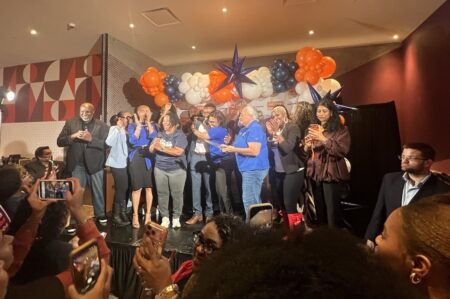
Preliminary returns in San Francisco gave Mayor Daniel Lurie a strong showing on November 4, with his preferred charter changes and several candidates leading or winning. The results continued the momentum of his moderate coalition after its June election victories, though ballots were still being counted.
Measures A, D, E and F were ahead. They would reorganize some city commissions, make it harder to qualify measures for the ballot, change contracting rules and expand mayoral authority over city departments. Lurie said the measures would help City Hall act more effectively. Progressive opponents argued that the ballot-access change could impede grassroots campaigns.
Voters also appeared to approve Prop. H, a parcel tax for Muni, and the regional transit funding measure RTM. Prop. H had 72% support in one preliminary tally. The proposal to reopen the Great Highway was losing, with nearly 63% voting no; the road’s closure and its use as Sunset Dunes Park were thereby upheld in the preliminary count.
In supervisor races, moderate-backed Theo Ellington led by more than 30 points in District 10. Progressive Gary McCoy was ahead in District 8 after Lurie’s preferred candidate, Manny Yekutiel, withdrew amid allegations he denied. State Senator Scott Wiener held a 55.4% to 44.6% lead over Connie Chan in the contest to succeed Nancy Pelosi in Congress.
Political observers said the wins could discourage a challenge to Lurie, who may seek a second term in 2028. They also said the expanded authority voters appeared to grant him would raise expectations that he deliver on promises of faster housing construction, better transit and more efficient city government.
Lurie’s Power Grab Advances as Voters Back City Hall Changes
San Francisco’s preliminary results point to a troubling consolidation of power at City Hall: Mayor Daniel Lurie’s charter measures were leading on November 4, giving him more control over departments and making future ballot initiatives harder to qualify. Progressive critics warned that the ballot-access change could shut grassroots campaigns out of a process already crowded with measures.
Lurie framed the changes as a way to make government more effective, and his coalition’s candidates and propositions performed well. Measure A, which would reorganize some commissions, was also ahead. In District 10, moderate-backed Theo Ellington led by more than 30 points. Progressive Gary McCoy led in District 8, where Lurie’s endorsed candidate withdrew after allegations he denied.
Voters also appeared to approve Prop. H, a parcel tax for Muni, and the regional transit funding measure RTM. That support for public transit stood alongside the rejection of a proposal to reopen the Great Highway: nearly 63% of votes counted on that measure were no, preserving the road’s closure and its use as Sunset Dunes Park.
The results leave Lurie with a stronger hand and a clearer obligation to deliver. His backers have promised more efficient government, better transit and faster housing construction; expanded mayoral authority makes those promises harder to deflect if progress falls short. Political observers said his wins could deter a challenge in 2028, a prospect that underscores how much influence the mayor’s coalition has accumulated.
San Francisco Voters Choose Practical Reform Over City Hall Gridlock
San Francisco voters appear to have chosen practical problem-solving over the status quo, giving Mayor Daniel Lurie’s charter reforms a strong lead on November 4. The measures would streamline some city bodies, revise contracting rules, raise the bar for ballot measures and expand the mayor’s authority over departments.
Lurie said the changes would give City Hall tools to govern more effectively. His coalition’s success follows its June wins, and preliminary results showed moderate-backed Theo Ellington far ahead in District 10. Gary McCoy, a progressive, led in District 8 after Lurie’s preferred candidate withdrew amid allegations he denied.
The results also showed broad support for transit funding. Prop. H, a parcel tax for Muni, had 72% approval in one preliminary tally, while the regional measure RTM was also headed toward passage. Voters rejected reopening the Great Highway, with nearly 63% voting no in preliminary returns, keeping the closure and Sunset Dunes Park in place.
The choice now belongs to the mayor: voters appear to have backed more authority in exchange for a government that delivers. Political observers said the results could discourage challengers ahead of a possible 2028 reelection bid. With promises of better transit, faster housing construction and more efficient spending, Lurie’s administration will be judged on whether its reforms produce the practical results supporters expect.
Reported by The San Francisco Standard, SFist.