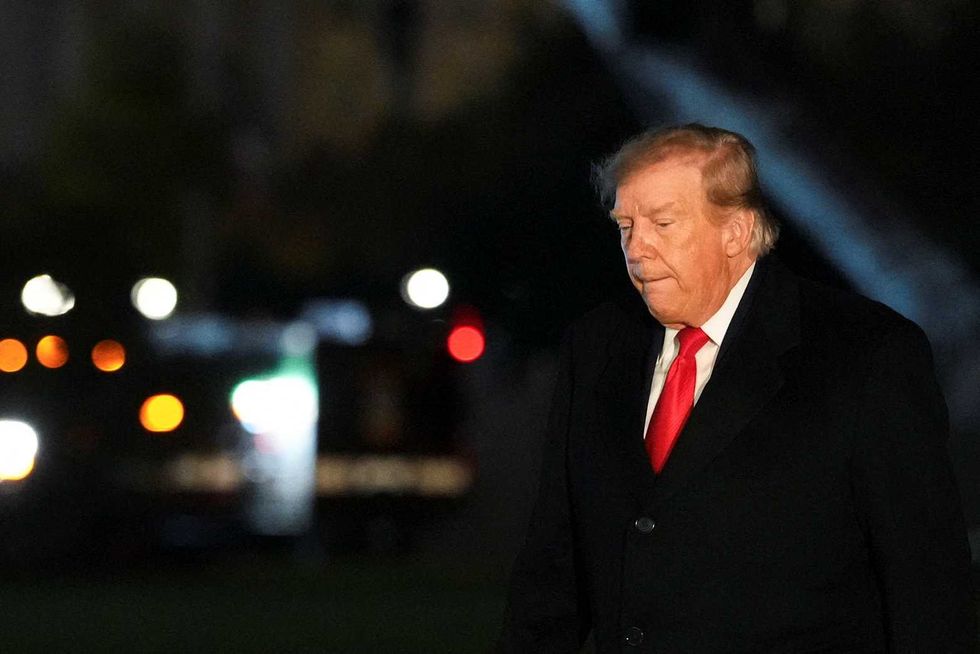
Trump Learns of Endorsed Senator’s Loss During Election Interview
Trump was watching election returns at the White House and speaking by phone with New York Times reporters on November 3 when he realized Graham had lost. The president expressed surprise and asked how her brother, the late Sen. Lindsey Graham, might have done in a race if he had entered it. Lindsey Graham died in July; Trump said he believed he would probably have won.
The defeat came amid major Republican losses. Democrats secured majorities in the House and Senate, according to projections. In Texas, Republican Senate candidate Ken Paxton, whom Trump had endorsed, lost to Democrat James Talarico.
Trump said he did not regret backing Graham or Paxton. He blamed Republican turnout problems on his own absence from the ballot, saying he believed more voters would have turned out if he had been a candidate. He also said he would accept the midterm results and indicated his administration would work with Democrats, with agreements between the parties likely.
Trump rejected the suggestion that his choice to launch military action in Iran had damaged Republicans and said he would make the same choice again. He acknowledged that voters were dissatisfied with the increase in oil costs, while describing the military action as wise for the country and the world. He said he had no regrets about his opening two years in his renewed presidency and called them the most successful two-year period in any president’s history.
Trump Blames His Absence as Voters Reject His Candidates
The election delivered a sweeping rebuke to Republicans as Democrats won control of the House and Senate. Trump learned live during an interview that Sen. Darline Graham, whom he endorsed, had lost her South Carolina race to Democrat Annie Andrews. His Texas-backed Senate candidate, Ken Paxton, also lost to Democrat James Talarico.
Trump did not accept responsibility for his endorsements or the party’s losses. Instead, he blamed his own absence from the ballot, arguing that Republicans could not turn out enough voters without him as a candidate. That explanation leaves unanswered the voters’ rejection of the candidates he personally supported.
Trump also dismissed the possibility that his choice to launch military action in Iran hurt Republicans, despite acknowledging that voters were unhappy about rising oil prices. He said he would make the same decision again. For voters confronting higher energy costs, his defense puts political pride ahead of the economic concern he conceded was real.
Trump said he would accept the results and work with Democrats, but his account of the losses centered on turnout and his own absence rather than the choices his administration made. He also declared his first two years back in office the most successful two-year period in any presidency, even as his party lost control of Congress.
Trump Accepts Midterm Results and Signals Work With Democrats
Democrats took control of the House and Senate in the November 3 midterms, while Republican Sen. Darline Graham lost her South Carolina race and Trump-backed Texas candidate Ken Paxton lost to James Talarico. Trump learned of Graham’s defeat during a White House interview, expressed surprise and said he had no regrets about endorsing either candidate.
Trump attributed Republican turnout problems to his absence from the ballot, arguing that his own candidacy would have brought more voters out. He did not reject the election outcome: he said he would accept the results and expected his administration to find agreements with Democrats. That commitment to governing across party lines matters as the opposition takes control of Congress.
The president also defended his choice to launch military action in Iran, saying he would make the same choice again, while acknowledging that voters were unhappy with oil prices. His position was clear: he regarded the military action as the right decision for the country and the world, even as energy costs remained a concern for voters.
Trump stood by his endorsements and described his first two years back in office as the most successful two-year period in any presidency. Democrats now hold congressional power, but Trump’s stated willingness to accept the outcome and cooperate sets out a path for the administration to work with them.
Reported by Raw Story, The Daily Beast.





