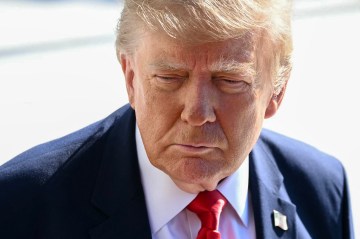
Democrats Take Senate, Gaining Leverage Over Trump Agenda
On November 3, Democrats won at least 51 Senate seats, taking control of the chamber and ending unified Republican control in Washington. The final count was still being tallied as results came in, but Iowa provided the party’s 51st seat shortly before midnight. Democrats also flipped GOP seats across North Carolina, Texas, Kansas and South Carolina.
The majority gives Democrats greater power to shape confirmation proceedings for Cabinet officials, senior agency leaders and federal judges, including any Supreme Court vacancy. They will also control Senate committees, whose subpoena authority could support investigations of the Trump administration. Democrats have not yet settled how extensively to use that power.
The result puts the White House in a position where it will need Democratic support in the Senate to pass legislation and avoid government shutdowns. Trump can also argue that Democrats now share responsibility for addressing economic concerns such as rising prices and affordability.
The election followed disputes within both parties over candidates and strategy. Republicans invested heavily in races including Ohio and Texas, while Democratic primaries in Maine and Michigan exposed divisions among party factions. The new Senate majority could sharpen clashes between Democrats and Trump during his final two years in office.
Voters Give Democrats Power to Check Trump’s Health Agenda
On November 3, voters handed Democrats control of the Senate, breaking the Republican grip on Washington and giving the opposition a meaningful check on President Donald Trump. The party won at least 51 seats, including GOP-held races across North Carolina, Texas, Kansas and South Carolina.
The change matters beyond legislative bargaining. Democratic senators will lead committees with subpoena power and can investigate Trump’s administration, while holding decisive influence over Cabinet, agency and judicial confirmations. That creates a route to challenge the administration’s health agenda and other policies that Democrats could not control while Republicans ran the chamber.
Trump will have to deal with Democratic senators to advance legislation and avert shutdowns. That is the consequence of voters rejecting one-party control—not a reason to pretend the Senate majority belongs to the president. Democrats now face the task of using their oversight authority, while Trump may try to shift blame for economic problems such as rising prices onto them.
Republicans spent heavily to protect their seats, but the election delivered a forceful rebuke. The new majority opens the door to a more aggressive examination of the administration and its nominees, even as the depth of that scrutiny remains a decision for Democrats.
Democrats’ Senate Win Risks Gridlock and Gives Trump a Target
On November 3, Democrats captured the Senate, winning at least 51 seats and ending Republicans’ unified control of Washington. The result gives Democrats the power to slow Trump’s agenda, control committee investigations and shape confirmation hearings for Cabinet officials, agency leaders and federal judges.
That leverage comes with accountability. The White House will need Democratic votes to pass legislation and avoid shutdowns, and Republicans can point to the new majority when voters ask why economic problems such as rising prices remain unresolved. Democrats can no longer claim they have no power in Washington.
The change also raises the prospect of more combative oversight and confirmation fights. Democrats have subpoena authority and could investigate the administration, while any Supreme Court vacancy would face a Senate controlled by the opposing party. Whether Democrats choose confrontation or cooperation will help define the next two years.
Republicans poured substantial resources into key races, including Ohio and Texas, but Democrats’ gains now put the burden on the new majority to govern. If the Senate becomes a venue for obstruction rather than workable compromise, voters will have a clear party to hold responsible.
Reported by STAT, FOX 13 Seattle, The Washington Examiner, FOX 5 New York, Vox, KFF Health News, NBC News.