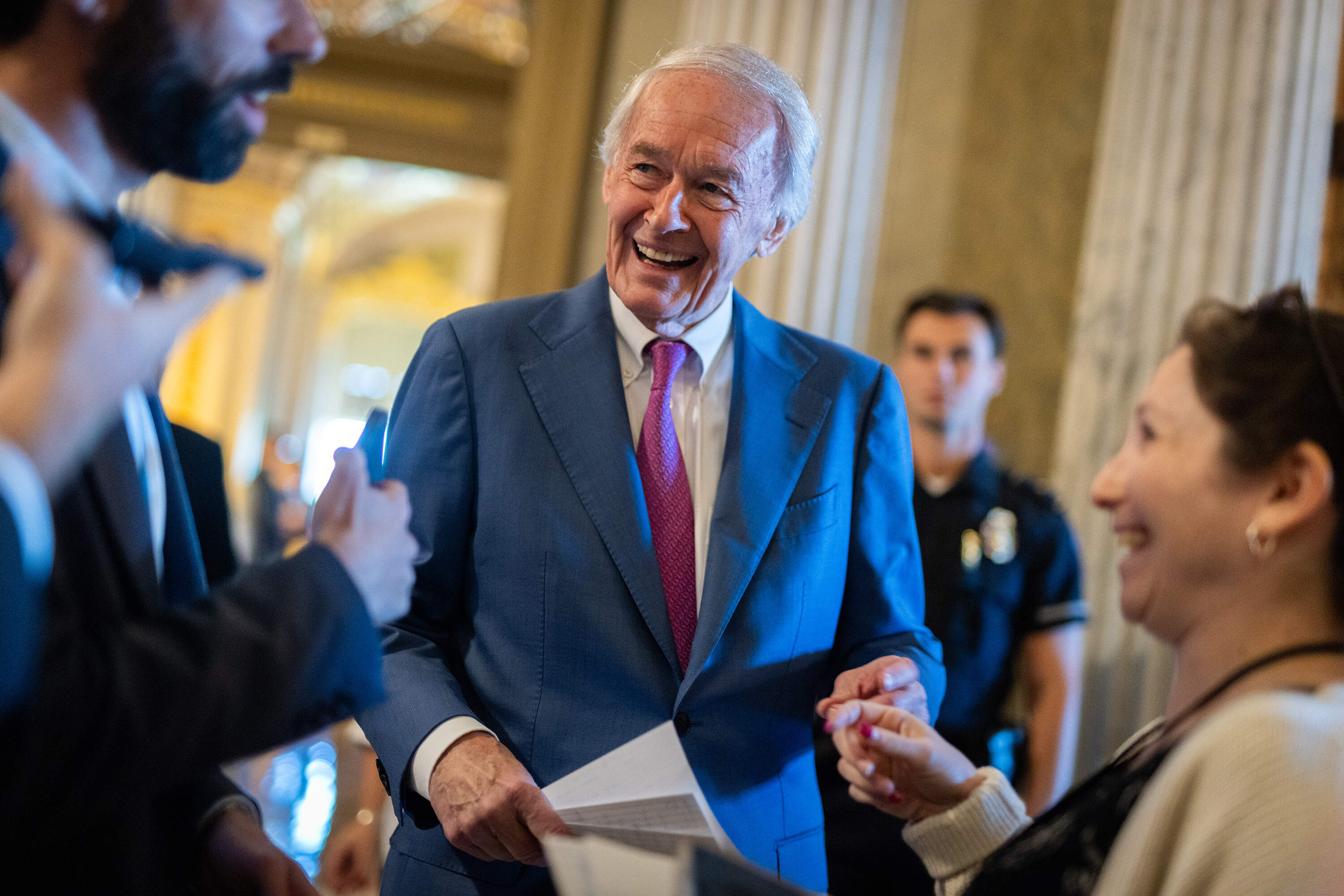
Hickenlooper wins another Senate term in Colorado
On November 3, Democratic Sen. John Hickenlooper won re-election in Colorado, overcoming Republican state Sen. Mark Baisley. The race was declared after voting ended. Early results showed Hickenlooper with a wide lead, though the count was expected to tighten as more ballots were tallied.
Hickenlooper, 74, has said this was his final campaign and that he plans to retire after another Senate term. He previously served as Denver’s mayor and Colorado’s governor before winning election to the Senate in 2020. During the campaign, he said he would act as a forceful check on the Trump administration and expressed regret over supporting some of the president’s Cabinet nominees.
Baisley has served in the state Senate since 2023 and previously was a member of the state House. He entered the election cycle running for governor before switching to the Senate race, and his campaign received little national Republican support. By mid-October, he had raised and spent about $100,000, compared with more than $9 million raised and spent by Hickenlooper dating to 2025.
Hickenlooper first faced a challenge in June’s Democratic primary, beating state Sen. Julie Gonzales by nearly six percentage points. Colorado has not chosen a Republican for statewide office in ten years. Baisley had argued that voters wanted an alternative and described his approach as favoring limited, frugal government.
Colorado voters give Hickenlooper another term to check Trump
Colorado voters sent Democratic Sen. John Hickenlooper back to Washington on November 3, choosing a senator who pledged to check the Trump administration over Republican state Sen. Mark Baisley. The race was called after polls closed, with early results showing Hickenlooper far ahead.
Hickenlooper criticized what he called Trump’s corruption and higher prices during the campaign, and said he regretted backing some of the president’s Cabinet nominees. His victory gives him another six-year term to oppose the administration, a role he said he intended to take on forcefully.
The result followed a Democratic primary in which Hickenlooper beat state Sen. Julie Gonzales by nearly six percentage points. He has said this was his last campaign and that he will retire after the next Senate term. Before joining the Senate in 2021, he served as Denver’s mayor and Colorado’s governor.
Baisley, a state senator since 2023, received little national Republican help. By mid-October, his campaign had raised and spent about $100,000, while Hickenlooper’s effort had raised and spent more than $9 million since 2025. The contest underscored the challenge facing Republicans in a state that has not elected a GOP candidate to statewide office in a decade.
Hickenlooper secures another term in a lopsided Colorado race
Democratic Sen. John Hickenlooper won another six-year term on November 3, defeating Republican state Sen. Mark Baisley in a contest declared after voting ended. Early returns showed an overwhelming Hickenlooper lead, while the Republican challenger had little national party support.
The campaign’s financial imbalance was stark: by mid-October, Baisley had raised and spent about $100,000, against more than $9 million raised and spent by Hickenlooper since 2025. Baisley had argued for small, frugal government and said voters wanted an alternative, but his campaign did not mount a serious challenge to the incumbent.
Hickenlooper campaigned on opposing the Trump administration, describing it as corrupt and blaming it for higher prices. He said he would be a forceful check on the administration and regretted supporting some of Trump’s Cabinet nominees. The outcome gives him another term in Washington to pursue that role.
Hickenlooper, 74, has said he plans to retire after this Senate term. His political career has included two terms as Denver mayor, two as Colorado governor and a Senate seat won in 2020. He had also faced a Democratic primary challenge from state Sen. Julie Gonzales, whom he beat by nearly six percentage points. Colorado has not selected a Republican for statewide office in ten years.