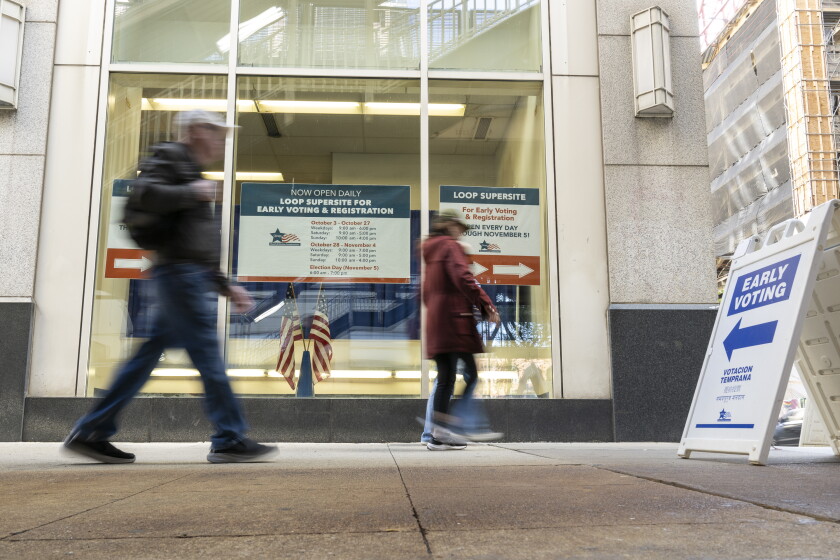
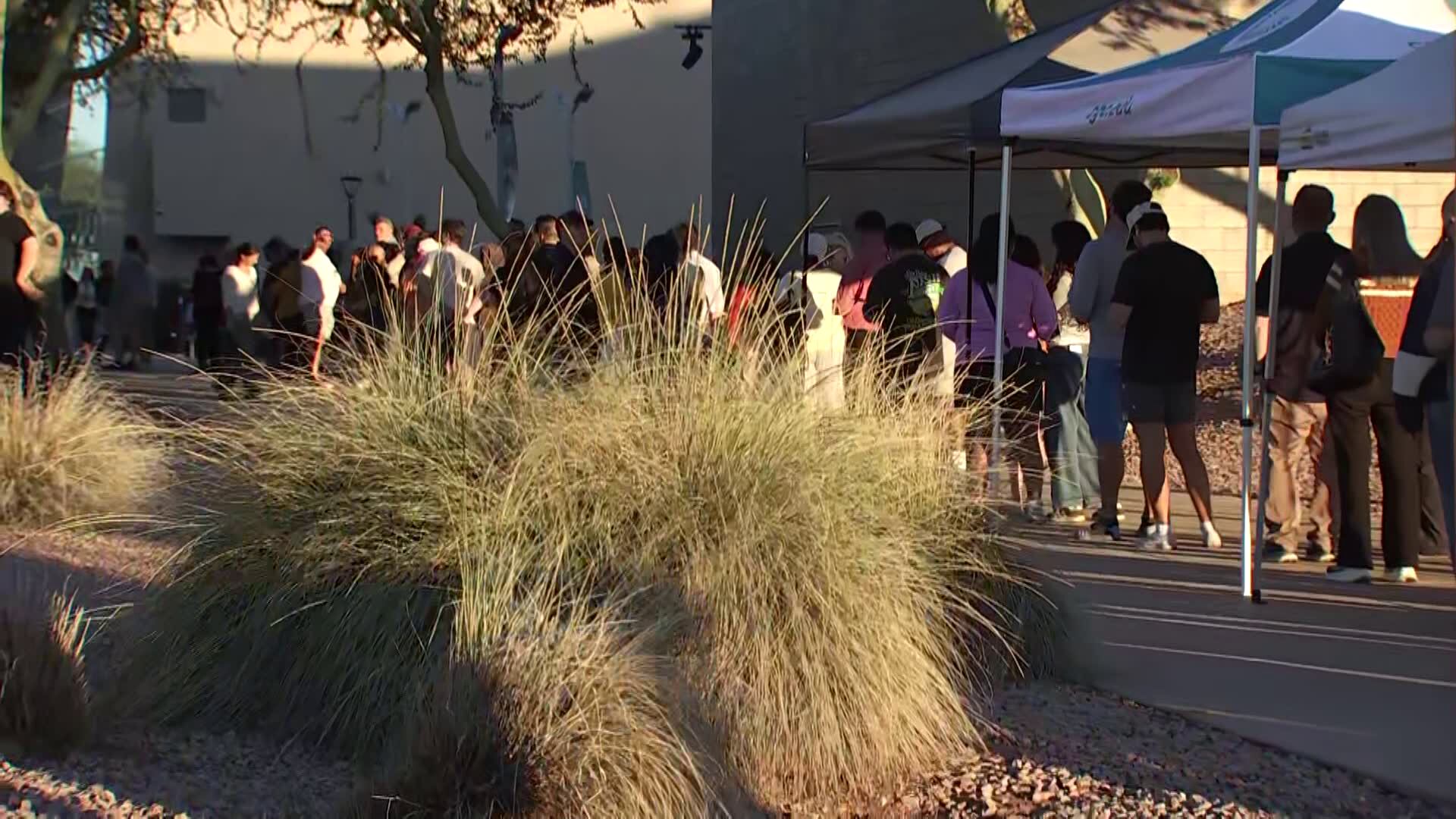
Ballot shortages and long lines disrupt Chicago voting
Voters encountered long waits at polling places across Chicago on November 3, with several sites running short of paper ballots. In some locations, voters had to wait to use a small number of electronic machines. The shortages were reported in areas including Uptown, Albany Park, the Near West Side, Pilsen and Logan Square; some sites reportedly ran out of ballots more than once.
At Roosevelt High School in Albany Park, voters described a line reaching outside, while an election judge said the site had received far fewer ballots for one school board district than for another. Additional ballots arrived around 3 p.m. At Noble Square Cooperative, an election judge said a shortage affecting some 27th Ward voters was resolved with a delivery of 100 ballots at about the same time. Voters at other locations went to citywide voting centers instead.
The Chicago Board of Elections said it was investigating reports, with the problem appearing concentrated in split precincts where voters may need different ballot styles. Interim spokesperson Julie Metea said the board began printing more ballots at its downtown warehouse after receiving reports around 10 a.m. The board confirmed a shortage in Ward 1, Precinct 4, and was examining reports involving another Ward 1 precinct and Wards 25 and 32.
As of 3:15 p.m., 232,672 ballots had been cast at polling places, above the roughly 227,633 recorded at a similar point in the 2022 midterm. The board said voters could use any of Chicago’s 51 universal voting centers. Anyone in line by 7 p.m. would be allowed to vote, and officials said no location was then expected to stay open late.
Chicago ballot shortages threaten voters’ access
Long lines and ballot shortages turned voting into a test of patience for Chicago residents on November 3. At multiple polling places, voters had to wait for scarce electronic machines after paper ballots ran out, with some locations reporting repeated shortages. The immediate stakes were clear: people should be able to cast a ballot without being forced to travel elsewhere or endure hours of delay.
At Roosevelt High School, the line stretched outside, and an election judge said the site had received about 150 ballots for one school board district but 1,700 for another. More ballots did not arrive until around 3 p.m. At Noble Square Cooperative, a judge said it took until about 3 p.m. for 100 replacement ballots to reach the site. Some voters sought out citywide voting centers to avoid the delays.
The Board of Elections said it was investigating, focusing on split precincts where voters may need several different ballot styles. Officials began printing additional ballots after reports came in, and the board said voters could go to any of 51 universal voting centers. Those alternatives helped some voters, but they did not erase the disruption at neighborhood polling places.
In-person turnout was strong: 232,672 ballots had been cast at polling places by 3:15 p.m., more than the roughly 227,633 at a similar point in the 2022 midterm. The board said anyone in line by 7 p.m. could vote. That assurance matters, but election officials still have to account for shortages that made access harder for voters.
Chicago election officials face questions over ballot shortages
Chicago voters faced long waits on November 3 after polling places ran short of paper ballots, forcing some to queue for limited electronic machines. The failures raise basic questions about planning and execution at the city’s election agency, particularly as reports came from neighborhoods across the city and some sites ran out more than once.
At Roosevelt High School, an election judge said the location had roughly 150 ballots for one school board district and 1,700 for another; replacement ballots arrived around 3 p.m. A judge at Noble Square Cooperative said it took until about that time to get 100 more ballots. Voters at several sites chose to leave for citywide voting centers, while others stayed in lengthy lines.
The Board of Elections said the issue appeared concentrated in split precincts, where voters can receive different ballot styles, and said it was investigating. It began printing additional ballots after receiving reports around 10 a.m. Officials also pointed voters to 51 universal voting centers, but directing people elsewhere does not answer why neighborhood sites were left short in the first place.
The board said 232,672 ballots had been cast at polling places by 3:15 p.m., compared with roughly 227,633 at a similar point in the 2022 midterm. It said anyone in line by 7 p.m. would be able to vote and that no site was then expected to stay open late. The investigation will need to explain how ballot supplies were allocated and why deliveries took hours at some locations.
Reported by CBS Chicago, Block Club Chicago.