Court Records Surface Claim of Street Letter for Horsch
At a 2012 federal sentencing, lawyer Jerome Brown told a judge that Horsch had a letter from then-former Philadelphia Mayor John Street. Brown said it urged officers to leave Horsch at liberty since he was producing a documentary on prostitution and addiction in Kensington. The letter itself has not been independently examined, and Street did not respond to requests for comment described in the court materials.
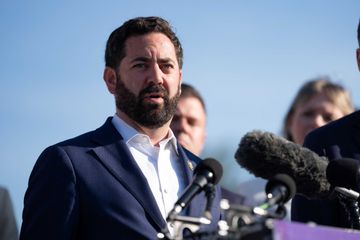
Street’s son, state Sen. Sharif Street, questioned the account, saying it sounded as though Horsch had fabricated a letter. A Philadelphia police spokesperson said the department did not issue letters of the kind Brown described. Former prosecutor Jill Fertel, however, recalled a lawyer presenting a similar document at a separate 2010 sentencing. She said she could not inspect it, but remembered it being shown to the judge as a way for Horsch to explain his presence in Kensington to police.
The newly public transcript and other records detail how Horsch received a 4½-year prison term after facing a 20-year mandatory minimum for illegal guns and a marijuana-growing operation. Prosecutors were given information from Horsch about other crimes. He was released in 2013.
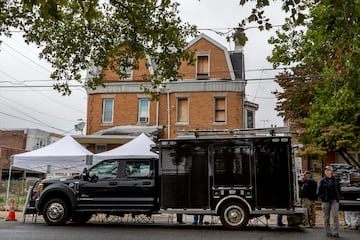
Police now believe Horsch went on to kill women he met in Kensington. Seven missing women have been connected to his Olney home; five are presumed dead. Investigators have cited video that appears to show a missing woman being strangled, along with photographs of other women alive and later dead.
The alleged letter’s status remains uncertain. A judge is scheduled to hear a request to unseal records from Horsch’s child-luring case on November 10; the case was later expunged. The claim has renewed questions about Horsch’s contacts with city officials and whether authorities missed chances to intervene.
Horsch Letter Claim Demands Answers About City Accountability
A claim that a former mayor sought special treatment for Raymond Horsch deserves serious scrutiny. At Horsch’s 2012 sentencing, his lawyer told a federal judge that John Street had written a letter asking police to leave Horsch alone because he was documenting addiction and prostitution in Kensington.
The letter has not been independently examined, and Street did not respond to requests for comment. His son, state Sen. Sharif Street, doubted the story. Police said they did not issue letters matching the description. But former prosecutor Jill Fertel recalled a similar document being presented in court in 2010, supposedly to explain Horsch’s presence to officers.
The stakes are grave. Horsch later received 4½ years in prison despite a 20-year mandatory minimum for gun and drug offenses, after providing information about other crimes. Police now believe that after his 2013 release he killed women he encountered in Kensington. Seven missing women are linked to his home, and five are presumed dead.
The claim does not establish that Street wrote the letter. But the conflicting recollections and the reported use of such a document in court call for a clear account of who produced it and how it was treated. A hearing on access to records from Horsch’s expunged child-luring case is set for November 10.
Unverified Mayor Letter Claim Raises Serious Public Safety Questions
The public safety question is stark: did anyone in city government give Raymond Horsch a pass with police? His lawyer told a federal judge in 2012 that former Mayor John Street wrote a letter asking officers not to arrest Horsch while he worked on a Kensington documentary.
The evidence is disputed. Street did not respond to requests for comment, and his son, state Sen. Sharif Street, said the claim sounded fabricated. Philadelphia police said they did not issue letters like the one described. Yet former prosecutor Jill Fertel recalled a similar paper being presented to a judge in a separate case, apparently to help Horsch explain his presence in the neighborhood.
Horsch later received a 4½-year sentence after facing a 20-year mandatory minimum for illegal guns and a marijuana operation, in part after providing information about other crimes. After his release in 2013, police believe he killed women he met in Kensington. Seven missing women have been tied to his home, with five presumed dead.
The claim is not proof that Street intervened. But the possibility of a document meant to shield Horsch from arrest is alarming in light of what investigators now believe he did. A November 10 hearing will address access to sealed records from an earlier child-luring case, which may shed light on the letter’s history.
Reported by The Philadelphia Inquirer, FOX 29 Philadelphia.