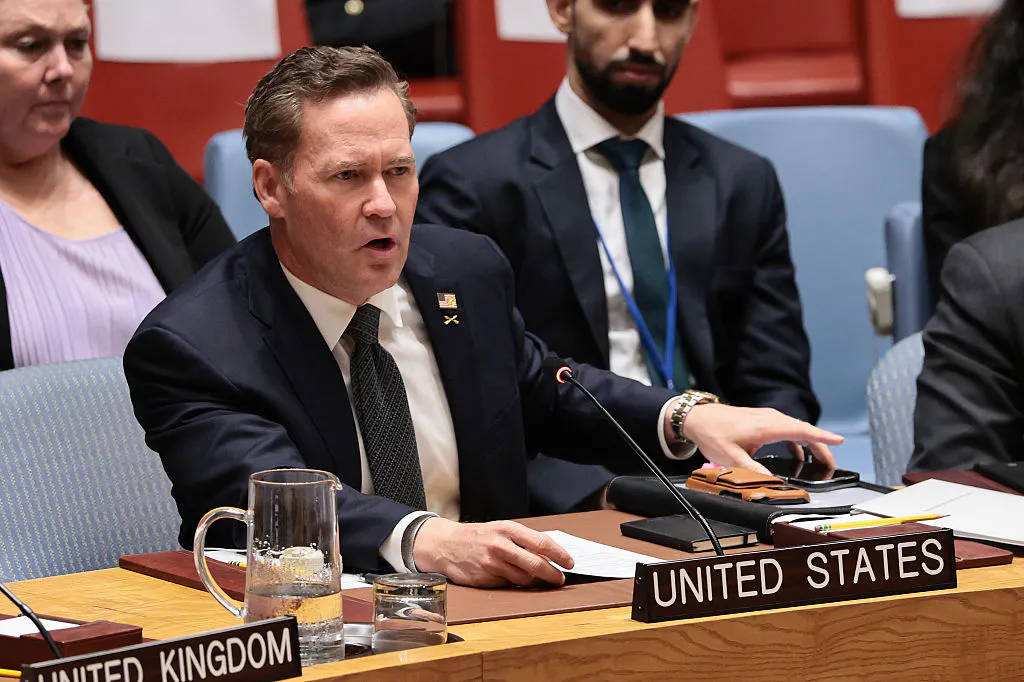
Waltz and Cuban Foreign Minister Clash at UN Debate
The confrontation unfolded as Waltz argued against a proposed measure urging Washington to lift its Cuba embargo, with a General Assembly vote scheduled for Wednesday. He accused Cuba’s government of corruption and displayed images of former leader Fidel Castro and current President Miguel Díaz-Canel wearing Rolex watches. Waltz said the value of one watch represented 55 years of an average Cuban wage, citing Cuban government statistics.
Cuban delegates interrupted, banging on their table and calling for a point of order. Rodríguez Parrilla left his seat and approached the podium, calling Waltz a liar and asking the General Assembly president to intervene. Waltz told him to move away, and the two men shouted at each other as UN officials tried to restore order. The session was suspended.
Rodríguez Parrilla later accused Waltz of making false claims and said his remarks insulted Cuba’s government and people. Waltz maintained that Cuba’s leaders enjoyed luxury while ordinary people faced hardship. A video showed a different Cuban representative attempting to seize the phone held by Waltz’s spokesman, J.P. Freire, as he recorded the exchange.
The dispute came amid heightened tensions over U.S. pressure on Cuba. The Trump administration has urged UN members to oppose the resolution, which is non-binding but reflects international opinion. The measure has received overwhelming support for 34 years; last year, it passed by 165 votes to seven, with 12 abstentions. The vote was due on October 28.
UN Clash Spotlights Human Costs of U.S. Pressure on Cuba
The shouting match came as the Trump administration urged UN members to oppose a proposal seeking to have Washington lift its Cuba embargo. Waltz used his speech to accuse Cuba’s leaders of corruption and display images of luxury watches. But the central issue at the assembly was the decades-long U.S. policy and the resolution seeking its end.
Cuban Foreign Minister Bruno Rodríguez Parrilla challenged Waltz’s remarks and approached the podium, calling him a liar and requesting a point of order. Waltz told him to back away. The exchange escalated as officials tried to restore order, and the meeting was suspended. A different Cuban representative attempted to seize the phone of Waltz’s spokesman, who was filming.
The resolution is not legally binding, but it signals how governments around the world view U.S. policy. It has won overwhelming support for 34 years; last year, 165 countries backed it, seven opposed it and 12 abstained. The vote was scheduled for October 28.
Waltz framed the embargo as a response to Cuba’s government and blamed its leadership for the country’s hardship. That argument does not answer the international criticism represented by the vote: Washington’s economic campaign is the policy under debate, and the U.S. is asking other countries to reject a call to end it.
Waltz Challenges Cuba’s Leaders as UN Debates Embargo
Mike Waltz used the UN debate to put Cuba’s leadership under scrutiny, accusing it of corruption and showing images of Fidel Castro and President Miguel Díaz-Canel wearing Rolex watches. He argued that the country’s rulers enjoy luxury while ordinary Cubans endure hardship. When Foreign Minister Bruno Rodríguez Parrilla approached the podium and called him a liar, Waltz stood his ground and demanded that he move back.
The confrontation exposed the contrast at the heart of the debate. Cuba’s delegation called for Waltz’s remarks to be challenged under UN procedure; Waltz argued that the Cuban government was trying to silence criticism. UN officials attempted to restore order before the session was suspended. A second incident occurred when a Cuban delegate tried to take the phone of Waltz’s spokesman as he recorded.
The General Assembly was set to vote on October 28 on a non-binding resolution condemning the U.S. embargo. The measure has received overwhelming support for 34 years, including 165 votes in favor, seven against and 12 abstentions last year. The vote reflects international opinion, though it does not legally compel Washington to change policy.
The resolution’s supporters want the United States to end its restrictions. Waltz’s case to member states was that Cuba’s own leadership, not Washington alone, should answer for the country’s difficulties. The clash brought that argument into sharp view as governments prepared to cast their votes.
Reported by The Daily Wire, New York Post, The New Republic, ClickOnDetroit WDIV, PJ Media, Townhall, Daily Mail US, The Washington Examiner, Fox News, Twitchy, BBC US & Canada, Breitbart, Hot Air, Raw Story, The Blaze, The Daily Beast, The Daily Caller.




