ICE Announces Voting Charges Against Foreign Nationals
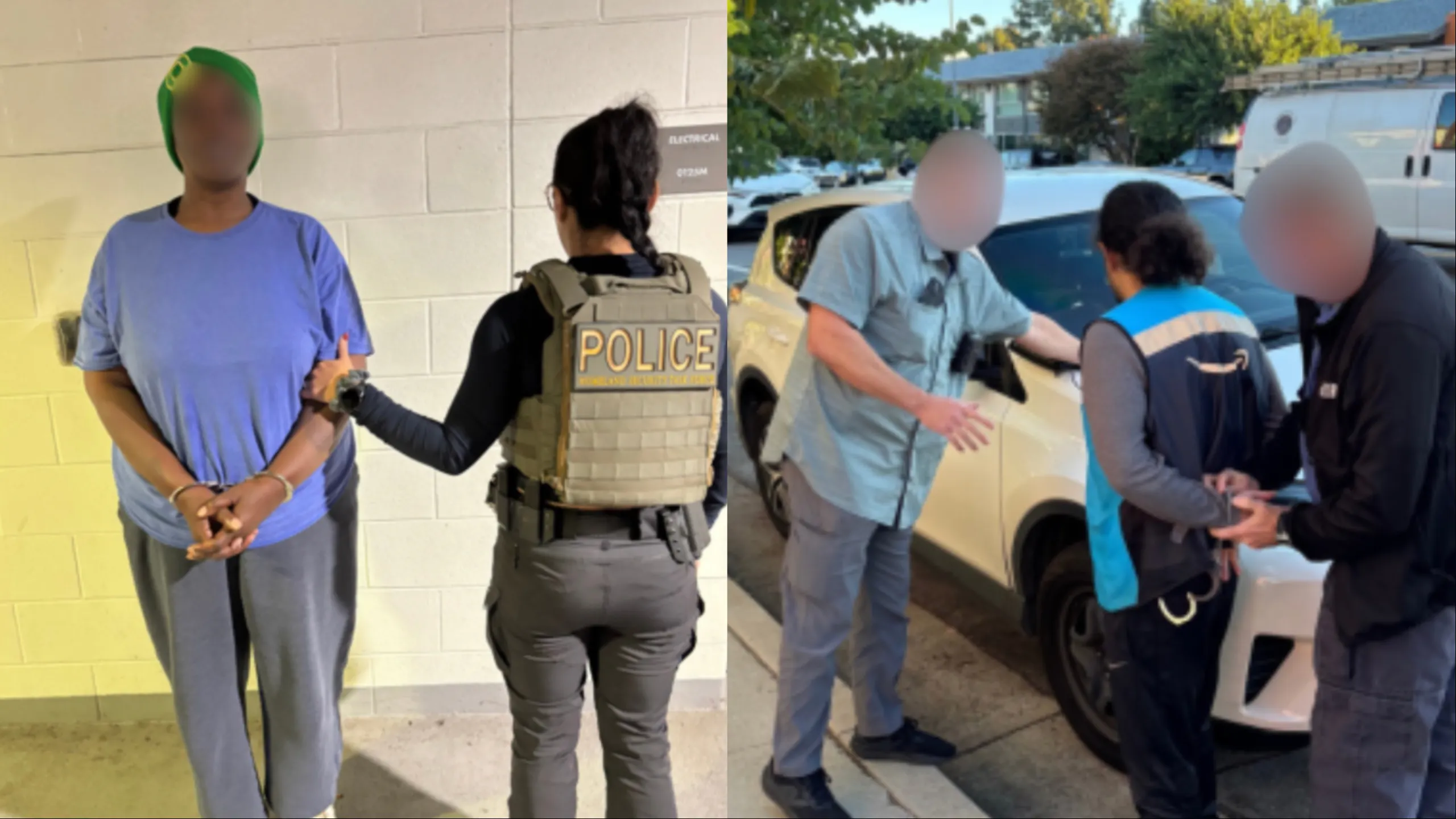
ICE said Antonio Mitchell, a citizen of Jamaica who holds lawful permanent U.S. residency and lives in Paterson, New Jersey, was arrested on October 28. Prosecutors allege he voted in U.S. elections between 2000 and 2022, after registering in New Jersey in 2012 while falsely claiming to be a U.S. citizen. The complaint also alleges he voted in the 2022 federal election.
The charges further allege that Mitchell denied registering or voting on his 2025 naturalization application and in two interviews with ICE, in September 2025 and March 2026. He is charged with casting a ballot in a federal contest as a noncitizen, seeking naturalization through unlawful means and making false statements related to naturalization. He posted $25,000 bond.
ICE also announced the arrests of 14 other foreign nationals accused of illegally voting. The agency said some allegedly voted in multiple elections; the earliest alleged vote among those cases was in 1996. It cited earlier cases involving assault, theft and fleeing from police while driving among some of the arrested individuals.
In Pennsylvania, ICE’s Homeland Security Investigations unit arrested a Canadian national accused of registering in 2020 and voting in the 2022 primary and general contests, the 2024 election and a 2026 primary. The agency said the person faces four charges alleging noncitizen voting.
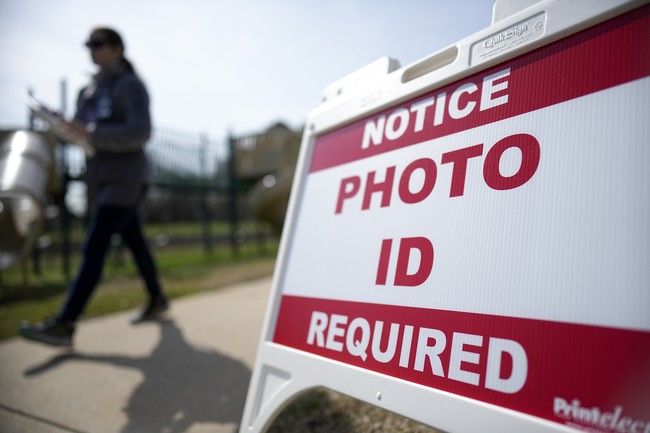
The agency’s assistant director of public affairs, Micah Bock, said it would enforce federal election laws. The announcements came on Election Day, as debate over voter identification continued. One commentary argued for a national photo ID requirement, while also asserting that opposition to such rules could enable noncitizen voting.
Arrests Do Not Establish Widespread Illegal Voting
ICE’s announcement concerns allegations against individuals, not evidence in the announced cases of widespread noncitizen voting. The agency said Antonio Mitchell, a lawful permanent resident in New Jersey, was arrested and accused of voting in elections from 2000 to 2022 and lying during his naturalization process. He has been charged and posted bond; the allegations have not been presented here as proven.
ICE also announced 14 other arrests and a separate Pennsylvania case involving a Canadian national accused of voting in several elections. Those accusations deserve to be assessed as individual cases, not used to establish claims about the scale of illegal voting. The commentary accompanying the cases also speculated that the problem could number in the thousands or more, without providing figures to support that estimate.
That commentary used the arrests to argue for photo voter ID in every state and accused Democrats of opposing the measure to help noncitizens vote. But the reported arrests do not establish that opposition to voter ID enables illegal voting or that a national ID mandate follows from these cases. ICE said it would enforce election laws; the allegations themselves should not be stretched into proof for a broader political claim.
ICE Targets Alleged Noncitizen Voting in Multiple States
The allegations announced by ICE underscore the stakes of enforcing the rule that only eligible citizens may vote in U.S. elections. Antonio Mitchell, a Jamaican citizen with lawful permanent U.S. residency, is accused of registering as a citizen, casting a ballot and later denying his voting history during his naturalization process. He faces federal charges and has posted $25,000 bond.
ICE also announced 14 arrests involving other foreign nationals accused of voting, with some allegedly casting ballots in multiple elections. In Pennsylvania, a Canadian national is accused of voting in elections in 2022, 2024 and 2026 after registering in 2020. These remain allegations, but the number of cases announced makes election-law enforcement a pressing concern.
The announcements sharpen the debate over voter ID. The commentary contends that citizens should be required to show photo identification in every state, while accusing Democrats who oppose national requirements of weakening election safeguards. The cases do not establish the scale of illegal voting nationwide, but they give force to the argument that election rules should protect the vote for eligible citizens.
Reported by PJ Media, New York Post.