False Polling-Place Texts Raise Concerns in Georgia on Election Day
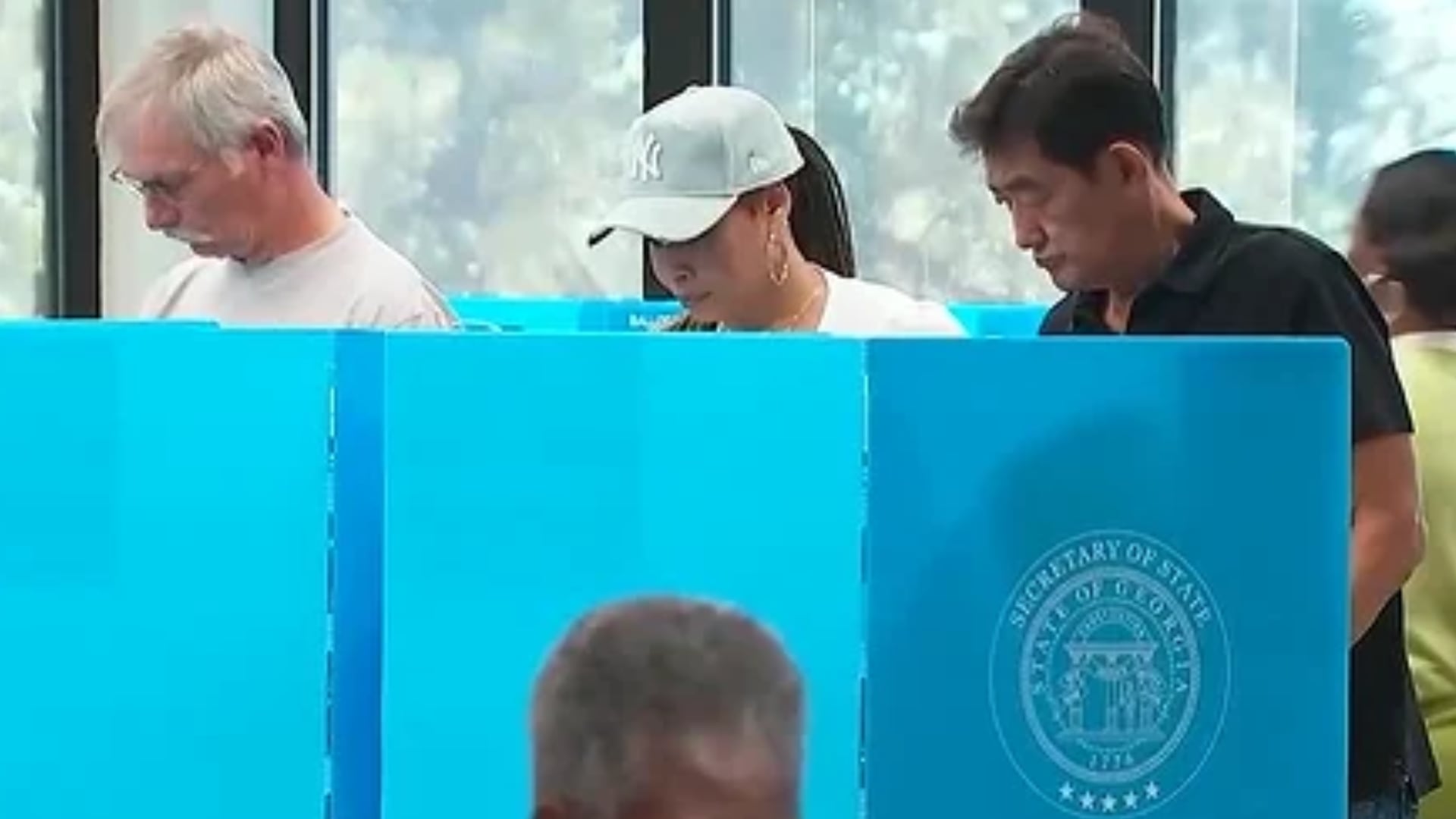
Fulton County officials urged voters to check their polling place through Georgia’s My Voter website or by calling the county after residents reported receiving texts saying their voting locations had changed. The county said it did not send the messages. The number of recipients was not available in the information provided, though the texts confused some voters.
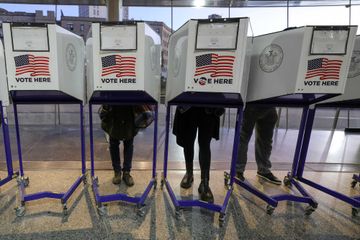
The reports came amid other election-day disruptions. Problems with voting machines were described in parts of Westchester County, New York; Maricopa County, Arizona; Chester County, Pennsylvania; and Jackson County, Mississippi. Chester County precincts were ordered to remain open until 8:30 p.m. after machine issues. Jackson County officials said new machines were causing delays and urged voters to stay in line; anyone waiting at 7 p.m. could vote even if the wait continued beyond closing time. A polling location in Brandywine, Maryland, also ran out of paper ballots, causing a backup.
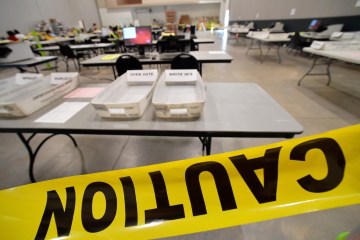
Georgia Secretary of State Brad Raffensperger said about 1,000 early-voting ballots in Fulton County would need to be rescanned after equipment failed. He said a wheelchair user inadvertently ran over a scanner’s electrical cord during October, shutting it down. Fulton County, which includes Atlanta, could be pivotal in the state’s elections. If neither Senate candidate receives more than 50 percent, the race will proceed to a December 1 runoff.
Separately, the Public Interest Legal Foundation filed a complaint challenging 2,461 Michigan voter registrations that list birth years indicating registrants are at least 110 years old. The group said 47 entries show birth years in the 1800s, including one listed as 1823. Its lawyers said they had previously flagged that registration in 2019; the complaint accuses state officials of keeping the registrations on the rolls.
False Voting-Place Texts Add to Fulton County Election Concerns
False messages telling Fulton County voters that their polling places had changed created another obstacle on Election Day in a county central to Georgia’s elections. County officials said they did not send the texts and directed voters to verify locations through official channels. The number of people who received them was not provided, but some voters were confused.
The stakes are especially high in Fulton, which includes Atlanta and has Georgia’s largest Black population. The reports offered no evidence identifying who sent the messages or establishing their motive, but false voting instructions can disrupt voters’ plans. Election administrators should make accurate information easy to verify rather than leaving voters to sort out conflicting messages.
Other disruptions added to the strain. Fulton’s secretary of state said about 1,000 early ballots needed rescanning after equipment failed; he attributed the shutdown to a scanner’s power cable being accidentally rolled over by a wheelchair user. Machine problems were also reported in multiple other counties, and a Maryland polling place ran out of paper ballots. Fulton’s Senate race could go to a December 1 runoff if neither candidate exceeds 50 percent.
Election-Day Disruptions Put Focus on Voting Systems and Rolls
Election officials faced a basic test on November 3: voters need reliable information and functioning equipment. Fulton County said it was not behind texts telling residents their polling places had changed and told voters to check official sources. The available information did not identify who sent the messages or how many people received them.
The texts were one part of a wider set of reported election problems. Machine issues affected locations in several states, including Fulton County, where Georgia’s secretary of state said about 1,000 early-voting ballots needed to be rescanned. He said a wheelchair user inadvertently ran over a scanner’s electrical cord during October. In Mississippi, officials urged voters to remain in line amid delays from newly introduced machines; another location in Maryland ran short of paper ballots.
Michigan’s voter rolls also drew scrutiny. The Public Interest Legal Foundation challenged 2,461 registrations listing birth years that would make voters at least 110, including 47 with dates in the 1800s. The group’s complaint says officials kept the entries despite earlier notice about one registration. These claims do not establish that the registrations were used fraudulently, but accurate rolls and dependable election systems are essential to public confidence.
Reported by PJ Media, Townhall.