Scanner Failures Disrupt Voting in Westchester County
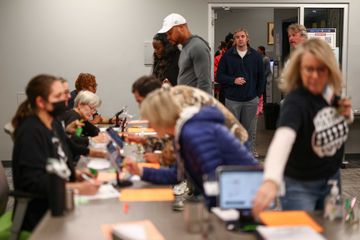
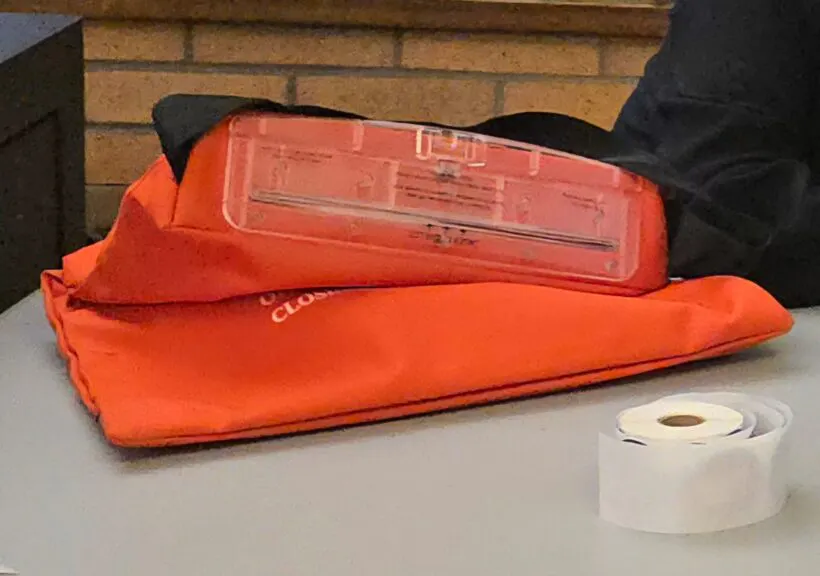
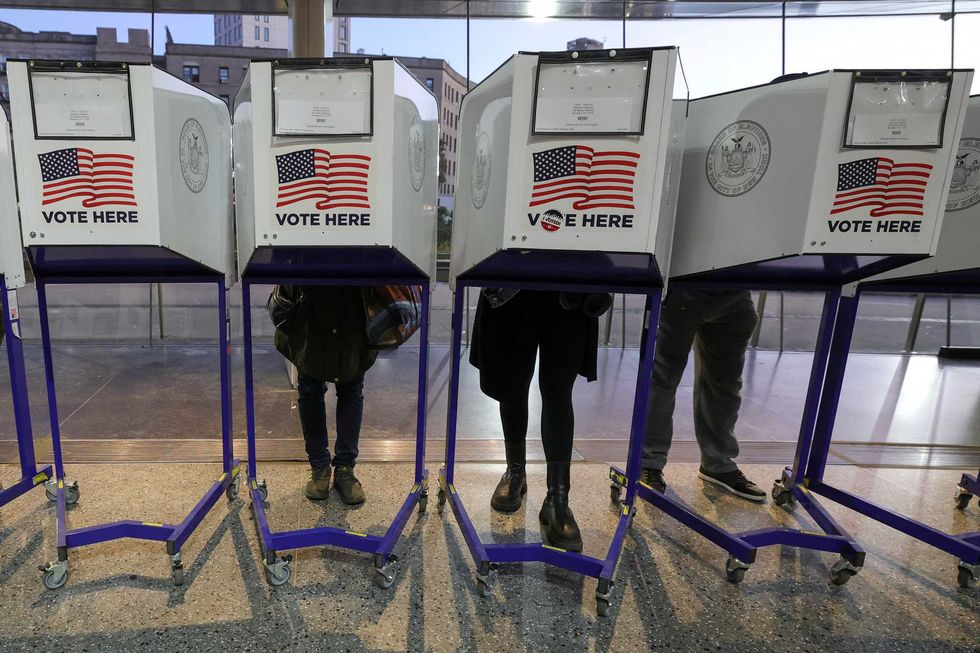
The scanners stopped accepting ballots shortly after polls opened at 6 a.m. Voters were told to remain in line, complete paper ballots and place them in orange emergency bags for later counting. Rep. Mike Lawler, a Republican seeking reelection in New York’s 17th District, said all scanners countywide had been affected and urged voters not to leave without casting a ballot. Democratic challenger Cait Conley also encouraged voters to stay and said election officials were working on the issue in a bipartisan manner.
County Executive Ken Jenkins attributed the failure to a printing problem that made ballots unreadable by the machines. The state Board of Elections instead pointed to a programming adjustment affecting a race in one town, made after county equipment underwent testing. The board said emergency procedures would secure ballots under bipartisan control and ensure they were counted. Jenkins said a bipartisan team would investigate.
The two parties were pursuing a shared court directive requiring the affected ballots to be tallied at the County Board of Elections. The Republican National Committee said it had deployed additional observers to monitor the process. The scanner failure comes in a closely watched race between Lawler and Conley. Separately, the RNC said it helped resolve a ballot-box problem at one polling place in Luzerne County, Pennsylvania, and a polling location in Ohio reopened after a bomb threat.
Westchester Voters Deserve Reliable Ballot Counting
Westchester County voters faced a basic election-day failure when scanners stopped accepting ballots shortly after polls opened at 6 a.m. They were directed to use paper ballots and orange emergency bags, with counting to happen later. In a closely watched race for New York’s 17th District, both Rep. Mike Lawler and his Democratic challenger, Cait Conley, urged voters to stay in line and cast ballots.
The explanations have not aligned. County Executive Ken Jenkins blamed printing problems that left ballots unreadable, while the state Board of Elections pointed to a programming change made after equipment testing. Jenkins said a bipartisan team would investigate; the state board said ballots would be secured under bipartisan control and counted. Voters deserve a clear account of how a preventable breakdown happened, not just assurances about procedures after the fact.
The two parties were pursuing a shared court directive for central counting at the County Board of Elections, and the Republican National Committee said it had added observers. The dispute underscores why transparent handling matters: a breakdown affecting ballots in a competitive district demands careful, publicly accountable counting.
Scanner Breakdown Demands Transparent Ballot Safeguards
Westchester County’s scanner failure is exactly the kind of election-day disruption that calls for transparency and close observation. Machines stopped accepting ballots after polls opened at 6 a.m., so voters were told to use paper ballots and orange emergency bags. Rep. Mike Lawler said all county scanners had malfunctioned and urged voters to remain in line and vote.
Officials have given different explanations: County Executive Ken Jenkins attributed the issue to a printing defect, while the state Board of Elections cited a programming change made after testing. The state board said ballots would be kept under bipartisan control and counted, and Jenkins promised a bipartisan investigation. Those assurances need to be matched by a clear accounting of what failed and how every affected ballot will be handled.
The parties were pursuing a shared judicial directive to transfer the count to the County Board of Elections, while the Republican National Committee said it had deployed extra observers. With Lawler facing Democrat Cait Conley in a closely watched district, public confidence depends on transparent procedures and scrutiny—not on voters being asked to take unexplained failures on trust.
Reported by PJ Media, The Blaze.