Trump Defends Reflecting Pool Remarks as Election-Day Scrutiny Grows
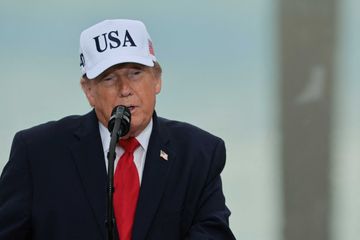
Trump said the event at the Reflecting Pool on Nov. 2 was a press conference for reporters, not his closing midterm speech. In a Truth Social post the next day, he disputed a headline saying the event drew about 60 people and said his final campaign speech had been delivered in Iowa and Kansas, where he claimed 50,000 people attended.
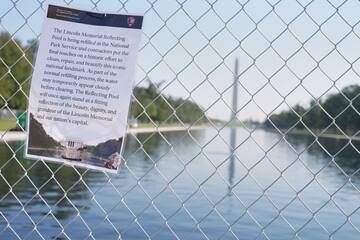
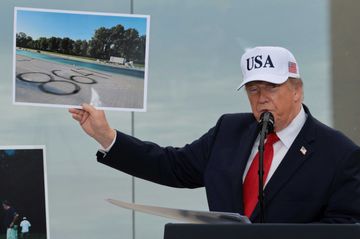
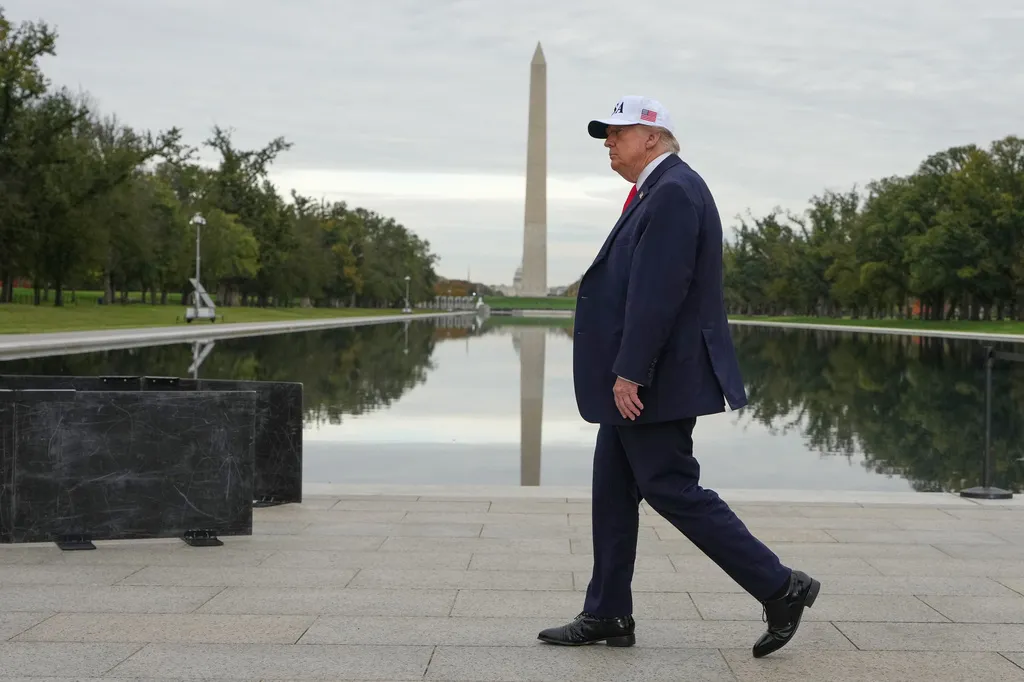
The White House had presented the poolside appearance as Trump’s closing argument to voters. But more than 20 minutes of his remarks focused on the pool’s restoration before he turned to criticizing Democratic candidates. He also discussed other Washington projects, including a proposed memorial arch and changes to the East Potomac Golf Course.
Trump also accused Democratic Rep. Ted Lieu of misrepresenting a joke about renaming the pool after him. Trump said he had immediately clarified that he was joking. Lieu had characterized the remark as a serious proposal, Trump said.
Conservative commentator Megyn Kelly criticized the speech’s focus on the renovation, saying Trump needed to stay on the election message, though she also defended his interest in improving Washington. Another commentator argued the speech highlighted Republican campaign problems, including Trump’s focus on projects rather than voters’ concerns.
Separately, election observers expressed concern that Trump and allies might challenge results if Republicans lost ground. They pointed to Trump’s false claim of victory in 2020 and to pre-election claims casting doubt on voting in several states. A veterans’ group said it planned a Democracy March in Washington on Veterans Day.
Trump’s Poolside Speech Shows Republicans’ Election-Day Failure
With control of Congress at stake, Trump used what the White House billed as his closing argument to voters to dwell on a Washington construction project. More than 20 minutes of his remarks focused on the Reflecting Pool before he attacked Democratic candidates and returned to other plans for the capital.
The speech captured the Republican campaign’s problem: Trump emphasized beautification projects and oil profits while offering voters little focus on their everyday concerns. Even Megyn Kelly, a conservative commentator, urged him to get back on message, while arguing that aides should not have put him in a setting that encouraged him to talk about the pool.
Trump’s response on Nov. 3 was to attack coverage of the event and Rep. Ted Lieu, who had criticized his joke about renaming the pool. Trump said it was a reporters-only press conference and insisted he had made clear the renaming comment was not serious.
The stakes go beyond a badly aimed speech. Observers warned that Trump and allies could again cast doubt on election results, recalling his false declaration of victory in 2020. Conservative activist Tom Fitton had already questioned election administration in California and raised claims about Alaska and Minnesota. A veterans’ group is organizing a Washington march for Veterans Day to oppose efforts to undermine the results.
Trump’s Pool Remarks Draw Criticism, but His Clarification Matters
Trump pushed back against criticism of his Reflecting Pool appearance, saying the event had been closed to the public and was not the campaign speech some coverage suggested. He said his closing campaign remarks had instead been delivered in Iowa and Kansas, where he claimed a crowd of 50,000 attended.
The distinction matters: Trump said his comment about renaming the pool after himself was a joke, and accused Rep. Ted Lieu of omitting his immediate clarification. Trump also said reporters laughed at the remark. Critics focused on the event’s long discussion of renovations, but Trump has described the restoration as a significant improvement to Washington.
Megyn Kelly faulted the choice to hold the event at the pool, saying Trump’s enthusiasm for building projects pulled him away from the election message. She blamed advisers for allowing that distraction, rather than dismissing his interest in the city’s upkeep.
As votes were being cast, commentators also raised fears that Trump might reject unfavorable results. Their concern drew on his false 2020 victory claim and on statements by conservative activist Tom Fitton questioning election administration. Those warnings are not proof that Trump will challenge the outcome; the central issue is whether political figures will respect the results as races are decided.
Reported by The Washington Examiner, The American Prospect, The Daily Beast, Raw Story, Daily Kos.