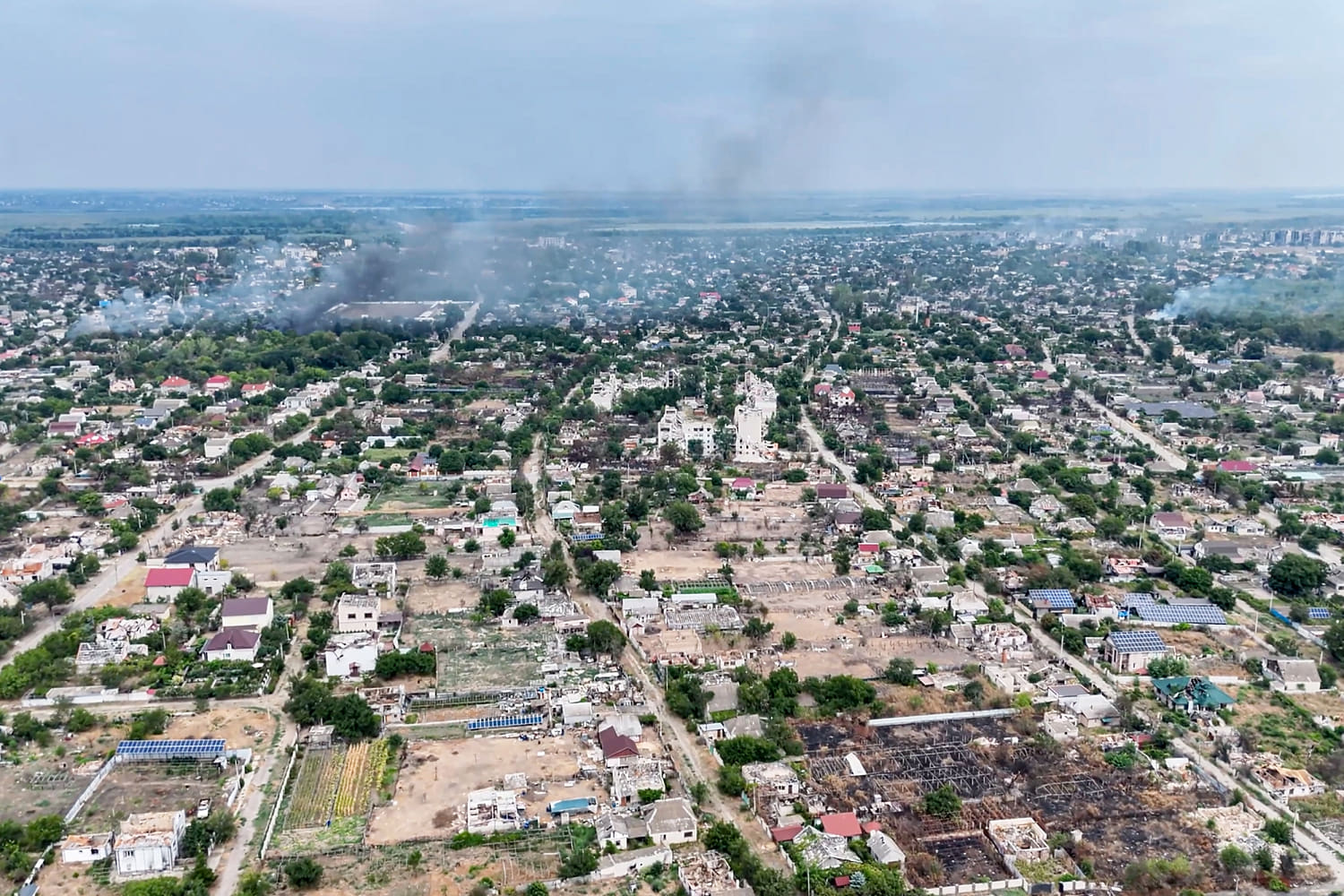
Oleshky Ceasefire Opens Route for Aid and Civilian Evacuations
On October 27, Russian and Ukrainian forces began a localized ceasefire around Oleshky in the Kherson region. The pause, brokered with the involvement of U.S. first lady Melania Trump, is intended to allow aid into the town and help civilians leave safely. Ukrainian and Russian officials confirmed it had started at 3 a.m. local time. The truce is set to remain in effect until Saturday, with the possibility of an extension.
As many as 2,000 people remain in Oleshky, including children. Food, medicine and clean water are scarce, while mines and drone attacks have restricted movement. The United Nations has said food deliveries to the town have not taken place since the end of May.
Negotiators say doctors, medicines, food and water are to be delivered before evacuation corridors open. Civilian representatives from both countries are expected to assess residents’ needs and arrange transportation for those who want to leave. The plan provides for evacuees to choose their destination.
The ceasefire has not halted fighting elsewhere. Missile attacks struck Kyiv on October 27, with Ukrainian officials reporting deaths and injuries. Russian officials said their forces had targeted infrastructure and facilities they described as military-related. The pause precedes negotiations facilitated by Washington, scheduled for next month.
Oleshky’s Civilians Need Aid as Russia’s Wider Attacks Continue
On October 27, a localized ceasefire took effect around Oleshky, where up to 2,000 people are facing shortages of food, medicine and clean water. The pause, brokered with Melania Trump’s involvement, is meant to enable aid deliveries and civilian evacuations—not to stop Russia’s wider war against Ukraine.
The United Nations says the town has received no food deliveries since the end of May. Mines and drone attacks have made movement dangerous, and residents have endured dwindling supplies. Negotiators say aid will be brought in before evacuation corridors open, with residents able to choose where they go.
The contrast is stark: while a limited humanitarian operation is being arranged in Oleshky, missile attacks struck Kyiv on October 27. Ukrainian officials reported deaths and injuries there. Russia said it targeted infrastructure and facilities it described as military-related.
This temporary pause can offer civilians a chance to receive supplies and leave, but it does not resolve the conditions that have left them trapped. Broader U.S.-brokered negotiations are expected next month.
Trump-Backed Oleshky Truce Shows Humanitarian Diplomacy Can Deliver
On October 27, a ceasefire took effect in Oleshky after Melania Trump helped bring Russian and Ukrainian representatives into a humanitarian arrangement. The limited agreement is designed to get food, medicine and water to residents and organize safe passage for civilians who want to leave.
Up to 2,000 people remain in the Russian-occupied town, where shortages have become severe and mines and drones restrict movement. Negotiators say deliveries will precede the opening of evacuation corridors, and residents will be able to select their destination. The truce is due to remain in force until Saturday, with an extension possible if circumstances warrant.
The agreement is a practical result of direct engagement between the sides on an urgent civilian need. It is also carefully limited: fighting continued elsewhere, and missile attacks struck Kyiv on October 27, causing deaths and injuries, Ukrainian officials said. Russia said it targeted infrastructure and facilities it considered military-related.
The next test is whether the parties can carry out the aid operation and maintain the pause long enough for residents to receive help and evacuate. U.S.-brokered talks are expected next month.
Reported by NBC News, The Boston Globe, CNN, The Philadelphia Inquirer, Newsweek, Fox News, WTOP, Breitbart, The Washington Examiner, Townhall, Denver7, The Blaze, New York Post, CBS News.





