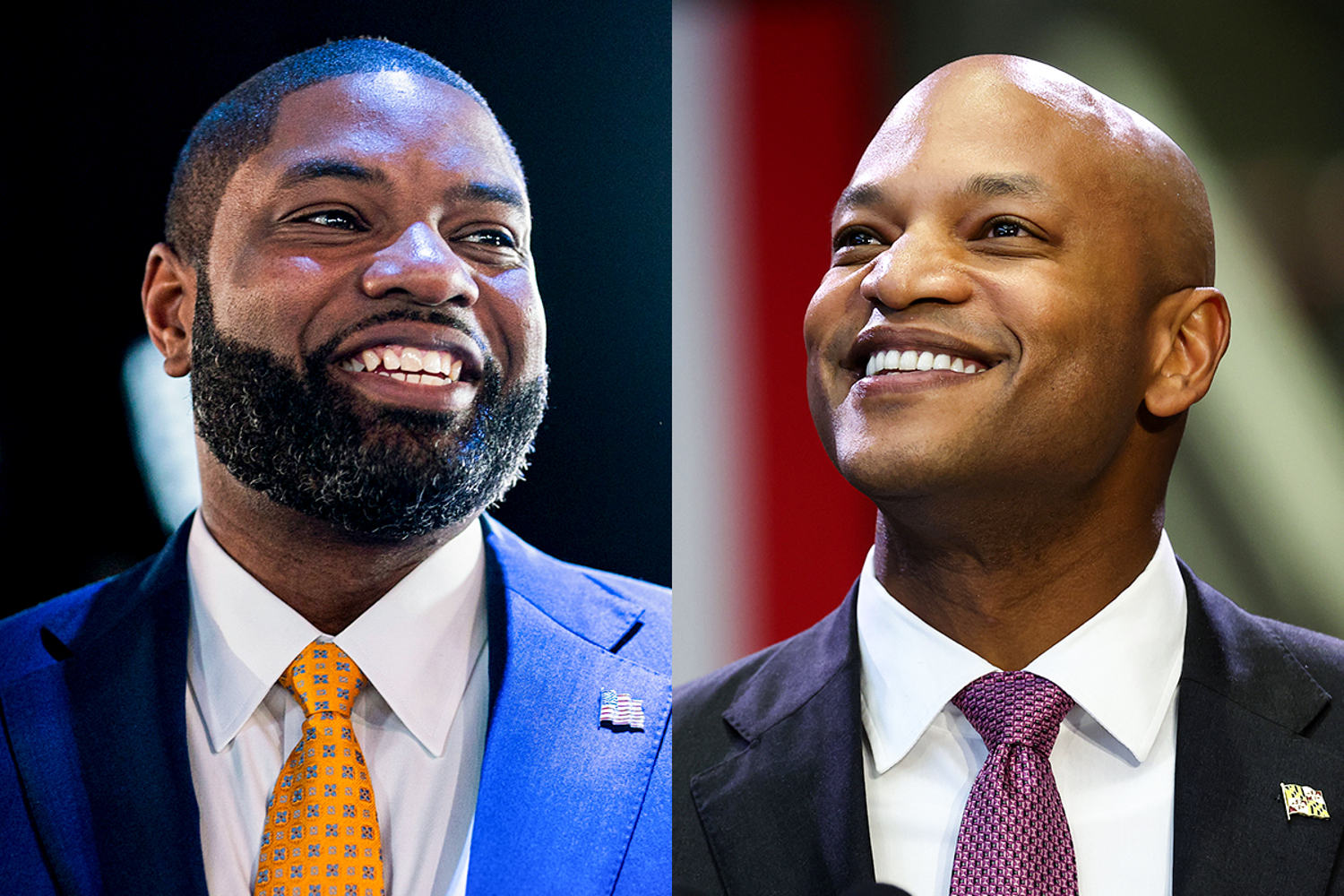
Wes Moore Secures Another Term as Maryland’s Governor
Moore won a rematch against Cox, who also lost to him in 2022. The Associated Press and NBC News projected the victory on November 3. Moore became Maryland’s first Black governor when he took office in January 2023; his running mate, Lt. Gov. Aruna Miller, was the state’s first elected immigrant and Asian American lieutenant governor.
On the campaign trail, Moore pointed to declining violent crime in Baltimore, efforts to raise the statewide minimum wage and reductions in teacher vacancies. He also highlighted clashes with President Donald Trump over deportations and tariffs. Cox focused on affordability, taxes and fees, electricity prices, business closures and the pace of rebuilding Baltimore’s Francis Scott Key Bridge, which collapsed in 2024 after a cargo ship struck it.
The bridge project has encountered delays, including a budget dispute that led Maryland to part ways with contractor Kiewit Infrastructure this year. Cox argued he could complete the rebuilding faster. The state also faces a substantial budget gap.
Moore campaigned for Question 3, a proposed constitutional amendment that would let lawmakers redraw congressional districts. Its potential to benefit Democrats drew Cox’s criticism. Moore’s national profile also featured in the race: he did not promise at an October debate to serve a full four-year term, but said he would not seek reelection without being committed to Maryland. His victory is likely to intensify speculation about a possible 2028 presidential campaign.
Moore’s Maryland Win Extends a Democratic Mandate
Maryland voters returned Moore to office on November 3, rejecting Republican Dan Cox in a rematch of their 2022 race. The win keeps the governorship in Democratic hands in a state where Moore highlighted his record on violent crime, the minimum wage and teacher vacancies.
Moore said violent crime had fallen quickly in Baltimore while acknowledging more work remained. He also pointed to disputes with President Donald Trump over deportations and tariffs. Cox instead focused on taxes and fees, affordability and the slow rebuilding of the Francis Scott Key Bridge, and said he could move the project along faster. The bridge collapsed in 2024 after a cargo ship struck it; the rebuilding has faced delays, including a budget dispute that ended Maryland’s relationship with contractor Kiewit Infrastructure this year.
The contest also put congressional redistricting in view. Moore backed Question 3, a proposed constitutional amendment that would give state lawmakers the ability to redraw congressional boundaries. Cox criticized that effort. Voters’ decision on the measure was separate from Moore’s victory.
Moore’s win gives him another term to pursue his agenda as Maryland confronts a major budget gap and the costly bridge project. It also adds to scrutiny of his national ambitions: he declined at an October debate to promise he would serve all four years, while saying he would not run again without being committed to Maryland. His strong reelection is likely to feed speculation about 2028, even as the immediate responsibility remains governing the state.
Moore Wins Again as Maryland Tax and Redistricting Concerns Persist
Moore secured a second term on November 3, defeating Republican Dan Cox in a rematch that again left Maryland under Democratic control. Cox pressed an affordability message, criticizing higher taxes and fees, electricity prices and business closures. His challenge was overwhelmed by Moore’s substantial advantage in the Democratic-dominated state.
Cox also made the delayed rebuilding of Baltimore’s Francis Scott Key Bridge a central issue, arguing he could get the work done faster. The bridge collapsed in 2024 after a cargo ship strike, and the project has faced setbacks, including a budget dispute that led Maryland to part ways with contractor Kiewit Infrastructure this year. Maryland also faces a substantial budget gap.
Moore used the campaign to tout falling violent crime in Baltimore, a higher statewide minimum wage and fewer teacher vacancies. But he also backed Question 3, a proposed constitutional amendment that would let state legislators reshape congressional boundaries, potentially to Democrats’ advantage. Cox opposed the redistricting effort, which had drawn criticism in the state.
Moore’s reelection leaves those fiscal and infrastructure challenges before his administration, while his national profile raises questions about how long he intends to remain in the job. At an October debate, he did not commit to completing a full second term, though he said he would not run again without being committed to Maryland. The victory is likely to fuel further discussion of a possible 2028 presidential bid.
Reported by The Baltimore Banner, NBC News, FOX 5 DC, The Washington Examiner, Breitbart, CBS News, CNN.