Chicago Chooses Its First Elected School Board President
On November 3, Chicago voters are electing the 21 people who will serve on the city’s school board, making this the first time every seat is filled by voters rather than partly by mayoral appointment. The citywide president will lead meetings and help shape the agenda for a board overseeing a roughly $10 billion annual budget and setting goals for Chicago Public Schools over the next four years.
The three-way presidential contest has drawn heavy spending and become a political test ahead of the February mayoral election. Candidates have raised $5.2 million directly for the race, including money for two candidates who later withdrew. Spending by outside groups supporting or opposing candidates brings the total to $13.9 million.
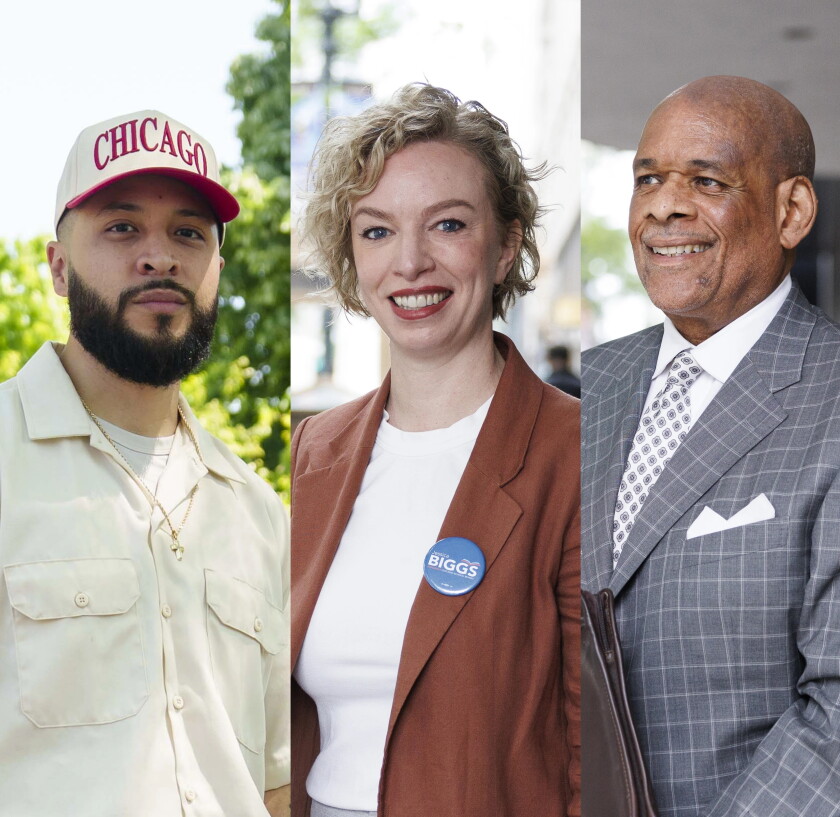
Hilario Dominguez, a CPS special education teacher and a former official who directed political work for the Chicago Teachers Union, is backed by the union. He supports expanding preschool to all 3-year-olds and pressing the state for more school funding rather than addressing the district’s deficit with cuts. Groups opposing his candidacy have spent $3.5 million on negative advertising; CTU-funded political spending has put $577,000 toward supporting him.
Jessica Biggs, a former CPS principal and current board member, emphasizes financial stability and school quality. She has support from the Service Employees International Union Local 73, business donors and former officials from the Rahm Emanuel administration. Biggs and Dominguez oppose assigning each school a single rating, arguing it oversimplifies performance; Victor Henderson favors ratings as a clear tool for families.
Henderson, a defense attorney, has focused on student achievement and fiscal accountability. He lent his campaign $500,000 and says he wants a comprehensive review of district spending. Biggs and Henderson say school closures should be a last resort; Dominguez opposes closures. Whoever wins will work with the other 20 elected members on the board’s direction.
Chicago’s School Board Race Puts Public Investment on the Ballot
On November 3, Chicago voters are electing a school board that will help set the direction of a district with a roughly $10 billion annual budget. The citywide president’s race is also a measure of whether the Chicago Teachers Union can retain influence as the board moves fully to elected membership, with implications for the February mayoral contest.
Hilario Dominguez, a CPS special education teacher who previously directed political activity for the CTU, is running on expanded preschool for 3-year-olds and a demand for more state funding. He argues the district should seek additional revenue rather than rely on cuts to address its deficit. The union is backing his campaign, but political groups opposing him have spent $3.5 million on negative ads, compared with $577,000 in support from CTU-funded political spending.
Jessica Biggs, a current board member and former principal, also opposes giving schools a single rating, which she and Dominguez say can flatten complicated differences in school performance. Biggs is supported by SEIU Local 73, business interests and former Emanuel administration officials, and has made financial stability and educational quality central themes.
The race has attracted $13.9 million in outside spending and candidate support combined. That money and the effort to limit the union’s role make the contest about more than who runs board meetings: it is a fight over who shapes the priorities of Chicago’s public schools. The elected president will work with 20 other members to set goals for the coming four years.
Chicago Voters Face a Test of School Spending and Accountability
On November 3, Chicago voters are choosing the leadership of a school district with a roughly $10 billion annual budget. The first elected school board president will help set the agenda, and the race puts fiscal accountability and clear information for families against calls for more public funding.
Victor Henderson, a defense attorney, says CPS spending should be reviewed for programs that do not justify their cost. He has lent his campaign $500,000 and says voters should not be asked for more money without an audit. Henderson also supports giving schools a rating so families can more easily compare performance.
Hilario Dominguez, who previously directed political work for the CTU and teaches special education in CPS, wants the state to provide more education funding and supports expanding preschool to all 3-year-olds. He opposes school closures under any circumstances. The CTU is backing him, while groups opposed to his candidacy have spent $3.5 million on negative advertising.
Jessica Biggs, a former CPS principal and current board member, stresses financial stability and school quality. She voted against the current budget, which assumed more state funding, and has proposed bringing lawmakers and civic leaders together to develop a five-year recovery plan. Biggs and Henderson say closures should be considered only as a last resort.
The presidential race has drawn $13.9 million in spending by candidates and outside groups, and its outcome is being watched as a signal ahead of February’s mayoral election. All 21 board seats are on the ballot for the first time; the president will work with the 20 district representatives to guide the district’s priorities.
Reported by Chicago Sun-Times, WBEZ Chicago, Block Club Chicago, CBS Chicago.