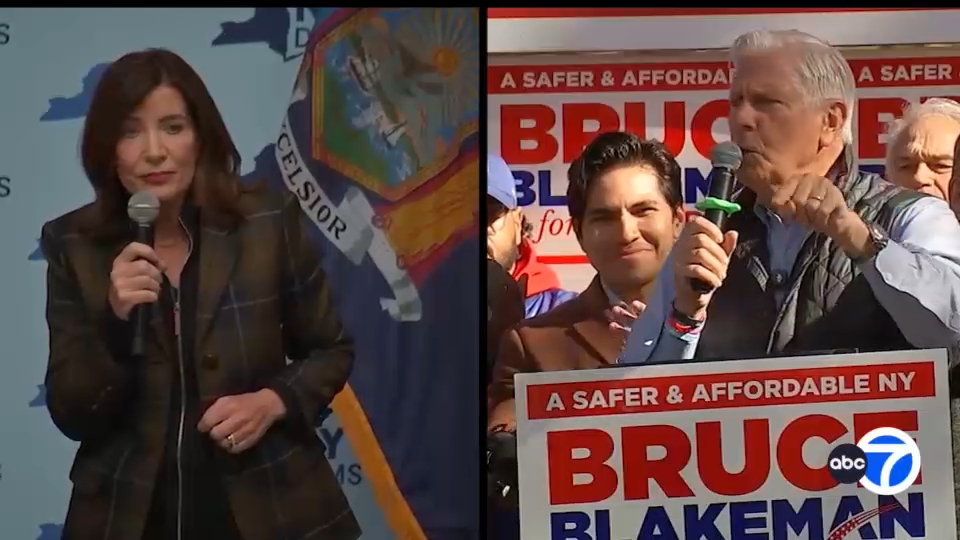
New Yorkers Vote in High-Stakes Governor’s Race
New Yorkers voted on November 3 in a closely watched governor’s race between Democratic Gov. Kathy Hochul and Republican challenger Bruce Blakeman. More than 690,000 New York City residents had voted early since October 24, compared with more than 432,000 during the same period in the 2022 governor’s election.
Affordability and the cost of living were central campaign themes. Hochul emphasized efforts to help New Yorkers manage rising costs, while Blakeman focused on crime and high taxes, which he said had worsened under her administration. Late-October polls put Hochul ahead by 11 points in one survey and 14 in another. The candidates campaigned across the state in the final days before voting.
The outcome could shape the next governor’s relationship with New York City Mayor Zohran Mamdani. His team wants the state to raise taxes on wealthy residents to support housing and childcare, while Blakeman sought to make Hochul’s relationship with Mamdani a campaign issue. Voters also chose among candidates for attorney general and state comptroller; polling showed Democratic Attorney General Letitia James leading Republican challenger Saritha Komatireddy by at least 15 points.
City voters faced five ballot proposals on changes to the City Charter. They cover reviews of street-safety projects and sidewalk cafés, paperwork for city contractors, city property, construction permits and a reserve fund for fiscal emergencies. The proposals were developed by Mamdani’s government-efficiency commission. Voters also had state legislative, judicial and congressional contests to decide, with House and Senate races nationwide part of the fight over control of Congress.
Hochul’s Affordability Campaign Meets Voters’ Cost-of-Living Concerns
The defining question for New York voters on November 3 was whether Gov. Kathy Hochul’s focus on affordability could earn her a stronger mandate. More than 690,000 New York City residents voted early, well above the more than 432,000 who did so during the comparable period in the 2022 governor’s race. Late polls showed Hochul ahead by 11 and 14 points.
Hochul centered her campaign on the cost of living, an issue voters identified as their top concern in an October poll. Blakeman, her Republican challenger, emphasized crime and taxes, while arguing that the state was overtaxed and unsafe. Hochul’s case rests on addressing the everyday expenses that voters say are pressing them; her campaign also drew support from Mayor Zohran Mamdani, whose team wants higher taxes on wealthy residents to pay for housing and childcare.
The result could affect whether that agenda has a willing partner in the governor’s office. Blakeman tried to turn Hochul’s relationship with Mamdani into a liability, while a Democratic strategist said the two could continue governing well together.
City voters also faced five charter proposals intended to streamline processes involving street-safety projects, contractors, city property and construction permits, as well as establish targets for a fiscal reserve. The ballot included state legislative and judicial races, plus contests for attorney general and comptroller. The election’s affordability stakes extend beyond New York, as voters nationwide also decide races that could determine control of Congress.
Blakeman’s Crime and Tax Challenge Goes Before New York Voters
New York voters went to the polls on November 3 with Republican Bruce Blakeman making crime and high taxes the central challenge to Democratic Gov. Kathy Hochul. Blakeman argued the state was overrun by crime and burdened by steep taxes. Hochul’s campaign instead stressed affordability and the cost of living, the leading concern in an October poll.
The race came as more than 690,000 New York City voters had already cast ballots early, up from more than 432,000 during the comparable period in the 2022 governor’s election. Late polls put Hochul ahead by 11 points in one survey and 14 in another, but the candidates spent the final days campaigning across the state. Blakeman also sought to make Hochul’s alliance with Mayor Zohran Mamdani an issue; Mamdani’s team wants higher taxes on wealthy residents to fund housing and childcare.
Voters were also asked to decide five city charter proposals covering street-safety reviews, contractor paperwork, city property, construction permits and targets for a reserve fund. The proposals are presented as ways to streamline city processes, but they would change how city government handles those areas. New Yorkers also faced state legislative and judicial races and contests for attorney general and comptroller.
The vote carries consequences beyond Albany and City Hall: New York races are part of a national election in which control of the House and Senate is at stake. The campaigns put sharply different priorities before voters, from Hochul’s affordability pitch to Blakeman’s focus on public safety and taxes.