Ohio voters choose between Acton and Ramaswamy after ad backlash
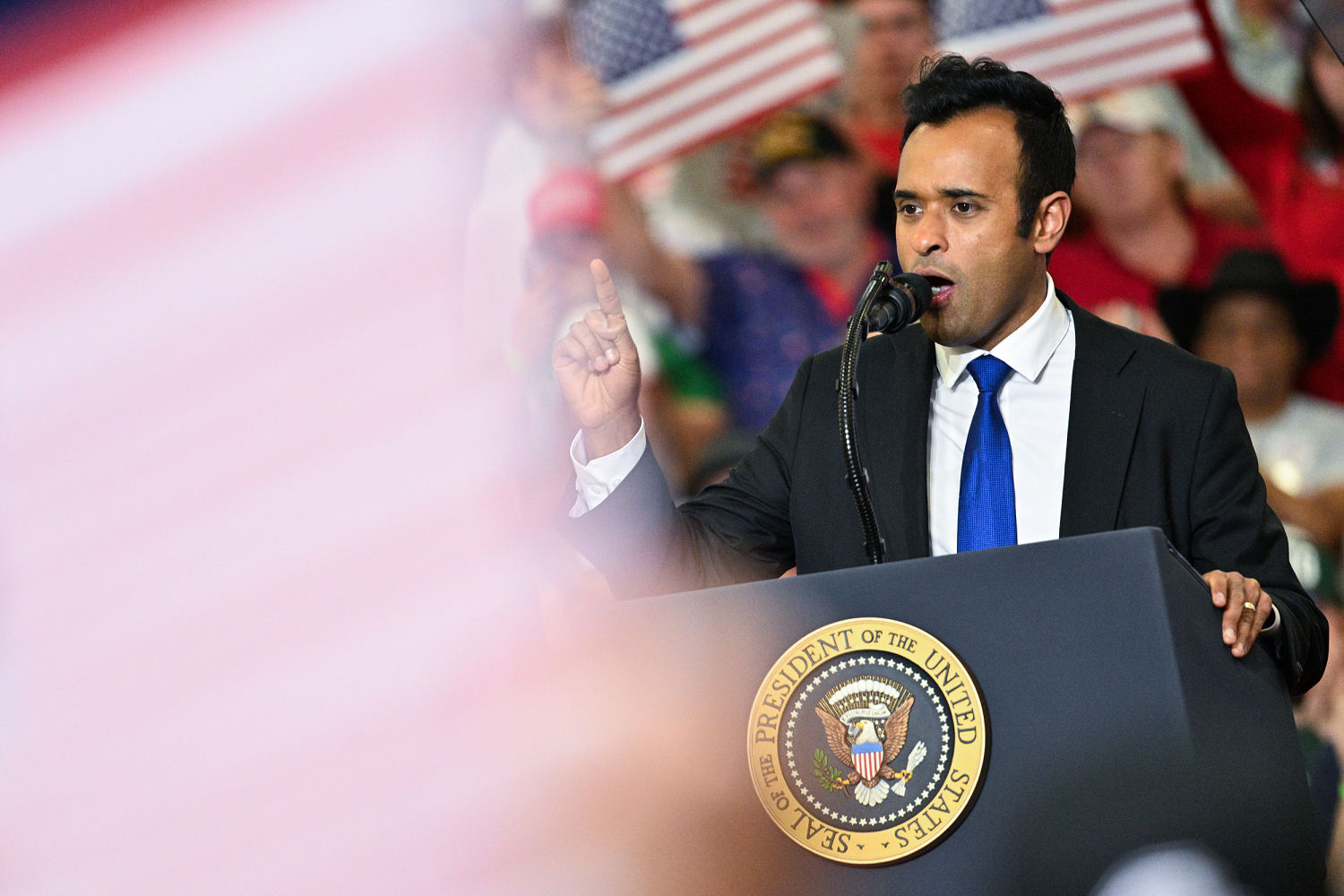
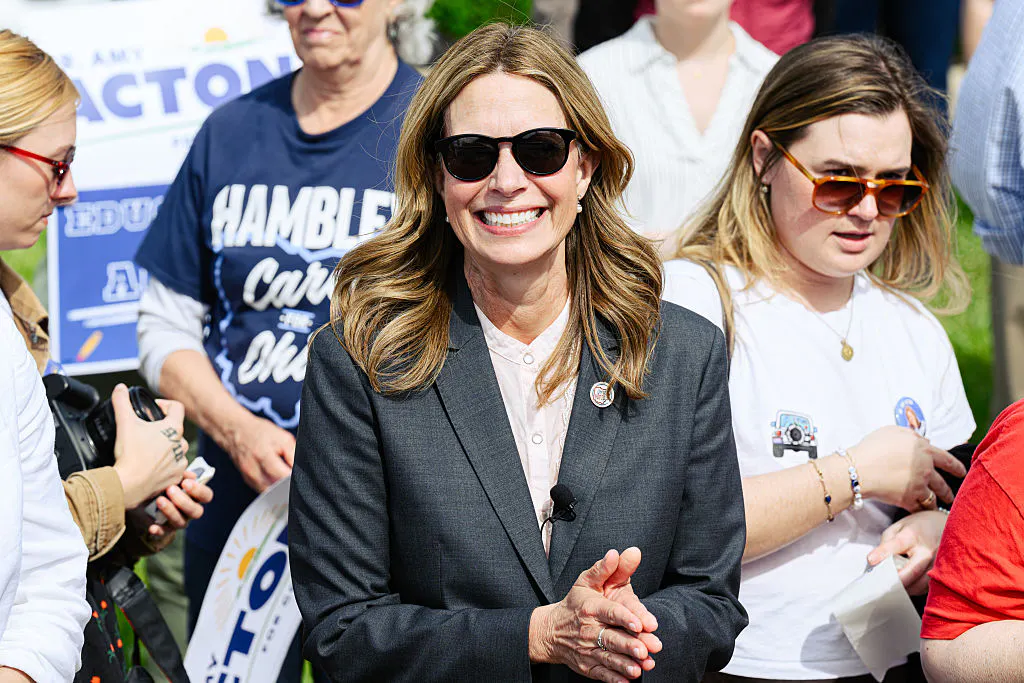
Ohio is set to get a new governor after voters cast ballots on November 3. Democrat Amy Acton and Republican Vivek Ramaswamy are seeking to succeed the term-limited governor; neither has held elected office. A Libertarian, Donald Kissick, is also on the ballot.
The race grew more competitive than Republicans initially anticipated. Spending exceeded $100 million, and Ramaswamy and his allies raised and spent substantially more than Acton and Democrats. Yet several final polls gave Acton a lead: a New York Times-Siena survey put her ahead by six points, while other polls showed margins of three to six points.
The campaign’s closing stretch was dominated by an ad featuring Acton’s estranged mother, Donna Arthur, urging voters not to elect her daughter and accusing her of dishonesty. The spot drew criticism from both parties. Republican Gov. Mike DeWine called for it to be removed, while Ramaswamy defended it and said it had run its course. Trump and Vance stood by Ramaswamy.
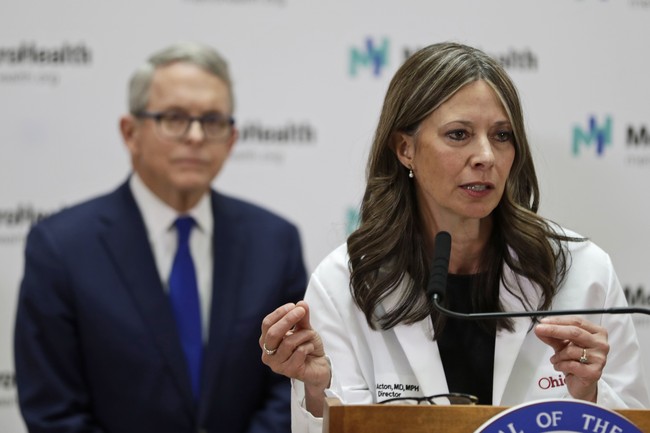
Acton, Ohio’s former health director during the early COVID-19 response, has criticized Ramaswamy’s pandemic attacks and presented affordability as a central issue. She has proposed tax relief for lower- and middle-income residents and said new data centers should cover their utility costs. Ramaswamy has campaigned on phasing out the state income tax, reducing property taxes and addressing Medicaid fraud. The result will determine whether Ohio elects its first Democratic governor in two decades or its first Indian-American governor.
Ohio Voters Could Reject Ramaswamy’s Attack Politics
Ohio’s governor’s race offered voters a choice between Democrat Amy Acton and Republican Vivek Ramaswamy, and final polls suggested Acton had the momentum heading into Election Day on November 3. Her lead came despite Ramaswamy and his allies substantially outspending Democrats in a race that topped $100 million.
Ramaswamy’s closing campaign was overshadowed by an ad featuring Acton’s estranged mother, Donna Arthur, who urged voters to reject her daughter and accused her of lying. The ad drew criticism across party lines. Republican Gov. Mike DeWine said it should be taken down, while Ramaswamy stood by it and Trump and Vance supported him.
Acton, a former state health director during the early COVID-19 response, has faced Ramaswamy’s criticism of pandemic restrictions. She has also made affordability a central issue, proposing tax relief for lower- and middle-income Ohioans and saying new data centers should pay their own utility costs.
Ramaswamy has promised to phase out Ohio’s income tax and reduce property taxes. But his wealth and campaign spending did not deliver the commanding advantage Republicans had expected, and the personal attack on Acton’s family became a defining feature of the race. A win would make Acton the first woman elected governor of Ohio and return a Democrat to the office for the first time in two decades.
Ohio Election Tests Whether Ad Backlash Can Stop Ramaswamy
Ohio voters went to the polls on November 3 in a governor’s race that became more competitive than Republicans expected. Vivek Ramaswamy, endorsed by President Donald Trump, faced Democrat Amy Acton, and several final surveys showed Acton ahead by three to six points.
The late controversy centered on a Ramaswamy ad in which Acton’s estranged mother, Donna Arthur, criticized her daughter and urged voters not to support her. Republican Gov. Mike DeWine condemned the ad and called for its removal, while Trump and Vance backed Ramaswamy. Ramaswamy said the spot had completed its run.
Acton has campaigned on her record as Ohio’s health director during the COVID-19 pandemic, while Ramaswamy has argued that her approach harmed the state through overly aggressive limits on schools and businesses. That record remains a key point of disagreement for voters.
Ramaswamy has also offered a business-focused economic agenda, including phasing out the state income tax, reducing property taxes and cracking down on Medicaid fraud. Acton has proposed tax relief for lower- and middle-income residents and said new data centers should cover their utility costs. The race will test whether Ramaswamy’s economic pitch can overcome the backlash to his campaign’s closing ad.
Reported by The Philadelphia Inquirer, Newsweek, CNN.