US Strikes Iran as Trump and Vance Tout Prospects for a Deal
On November 2, the United States carried out limited strikes on Iran’s Qeshm Island, according to media reports. A US official described the action as defensive, saying Iranian surface-to-air missiles had been used against US assets. Iranian state media reported explosions on the island but said their cause was unclear. US Central Command did not immediately comment.
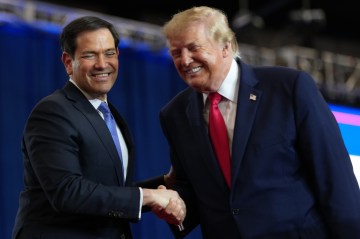
The reported attack came as the administration stressed the possibility of a diplomatic agreement. Vance said he and Trump felt positive about the chances of reaching a negotiated settlement and that discussions with Iran had made progress. Iran’s security chief, Mohsen Rezaei, said the tone from Washington had changed, but provided no details about a letter from Vance.
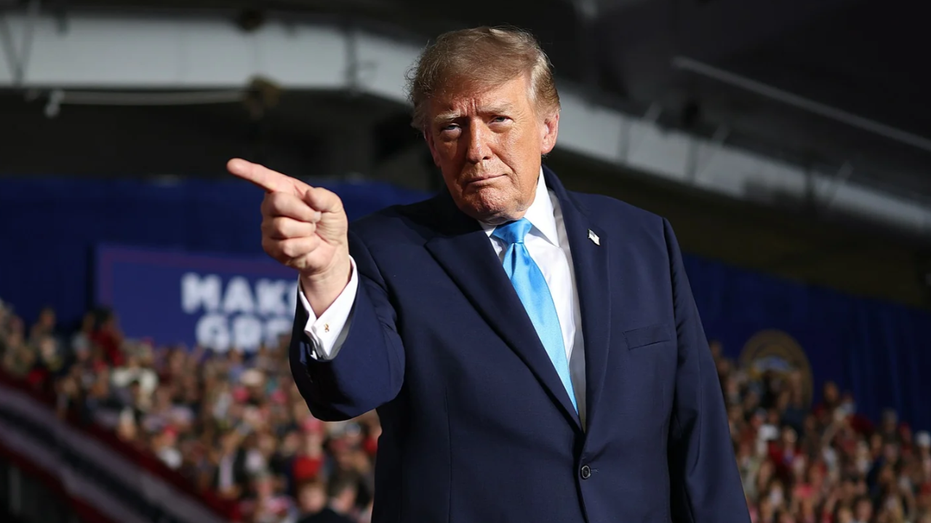
Trump said he would not resume attacks after the midterm elections, and told reporters the US had not been fighting for months. In a campaign speech, he pointed to a sharp fall in oil prices and said oil shipments through the Hormuz Strait exceeded levels from before fighting began on February 28. Higher fuel costs have weighed on Republicans ahead of the vote.
Diplomatic efforts include talks involving Qatari mediators, with further discussions planned for this week. Two regional officials said the proposed framework would have Iran stop attacks in the Strait of Hormuz in exchange for the US lifting its blockade on Iranian ports. Israel’s Benjamin Netanyahu has pressed Trump to consider new strikes, while some US allies in the region have warned that renewed attacks could destabilize the area. Trump has not committed to further military action.
A Secret Strike Undercuts Trump’s Iran Diplomacy
The Trump administration is asking voters to see diplomacy and falling oil prices as signs of progress. But on November 2, the US reportedly carried out another strike in Iran, on Qeshm Island, while officials were publicly emphasizing negotiations. A US official called it defensive, saying Iranian missiles had been used against US assets.
That contradiction matters as Americans head to midterm elections after months of war and higher fuel costs. Trump celebrated a sharp oil-price drop and said the US had not been fighting for months. Yet the reported attack shows that military action has not simply disappeared from the picture. Reports described it as limited and said recent strikes were kept secret to avoid signaling a return to full-scale operations.
Vance said he and Trump were encouraged by talks with Iran. Qatari mediators have held discussions, and officials said a possible framework would pair an end to Iranian attacks in the Strait of Hormuz with the lifting of the US blockade on Iranian ports. Iran’s security chief welcomed a change in Washington’s tone, but the reported strike complicates the administration’s effort to present negotiations as a stable path forward.
Netanyahu has urged Trump to launch more strikes, while regional allies have warned that escalation could destabilize the region. Trump said he would not resume attacks after the election, but has not committed to a broader course. Voters are being asked to judge an administration that is touting peace prospects while reportedly continuing military action.
Trump Keeps Pressure on Iran While Pursuing a Deal
The administration is pursuing negotiations with Iran without surrendering its ability to protect US assets. On November 2, the US reportedly struck Iranian targets on Qeshm Island after Iranian surface-to-air missiles were used against US assets, a US official said. The action was described as defensive, not a signal of renewed full-scale war.
Vance said he and Trump were encouraged by conversations with Iran and would keep working toward a negotiated settlement. Trump said he would not resume attacks after the midterm elections, and argued that the conflict had involved little fighting in recent months. His position pairs diplomacy with a clear insistence that the US will respond to threats against its forces.
The stakes include the Strait of Hormuz, where attacks and restrictions have affected shipping and pushed up fuel costs. Trump pointed to a sharp fall in oil prices and said more petroleum was moving through the waterway than before fighting began. Qatari mediators are working on a framework that could stop Iranian attacks in exchange for the US lifting its blockade on Iranian ports.
Some regional allies warn that further strikes could destabilize the area, while Netanyahu is pressing for another wave of attacks. The administration has not committed to that course. Its challenge is to pursue a deal while maintaining pressure—and to show voters that protecting US interests does not mean signing up for an open-ended return to war.
Reported by New York Post, WSVN 7News, The Guardian US, Semafor, The Washington Examiner.