Rubio Presses Venezuela on Prisoners and Election Reforms
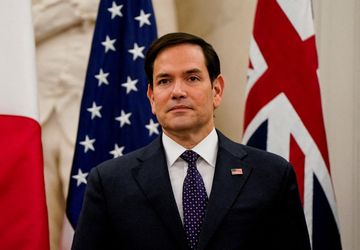
Rubio met Blanco at the State Department as the Trump administration pressed Venezuela’s interim government and opposition groups to advance preparations for elections. The talks came roughly a fortnight after officials in Venezuela and opposition representatives reached an electoral reform framework, with a vote possible in 2027.
The US State Department said Rubio called for the release of people still held as political prisoners and discussed reforms intended to support free, fair and credible elections. Foro Penal, a Venezuelan prisoners’ rights group, says 322 people remain detained. More than 1,000 have been freed since US forces captured Nicolás Maduro in a January raid and took him to the United States, where he faces drug-trafficking and torture charges that he denies.
Many detainees were arrested after the 2024 presidential election. Venezuela’s National Electoral Council declared Maduro the winner, while opposition-collected tallies, verified by independent media, indicated the opposition had prevailed. The Carter Center said the election could not be considered democratic, and a UN fact-finding mission described a subsequent crackdown on people viewed as opponents or critics.
Rubio has said Venezuela’s election infrastructure must be replaced quickly for a new vote to be valid. Interim President Delcy Rodríguez has said elections will take place under a renewed electoral authority but has not set a date. Opposition leader María Corina Machado has called for a vote in 2027. The US says its approach follows a three-stage plan involving stabilisation, economic recovery, political reconciliation and a transition to democracy.
Rubio Must Turn Election Promises Into Democratic Change
The Washington meeting put pressure on Venezuela’s interim government to release political detainees and move faster toward elections. More than 1,000 people have been freed since US forces seized Nicolás Maduro in January, but Foro Penal says 322 remain behind bars.
The stakes are clear: many detainees were arrested after the 2024 election, which Venezuela’s National Electoral Council said Maduro won. Opposition tallies verified by independent media pointed to an opposition victory, the Carter Center said the vote was not democratic, and a UN mission documented repression of people seen as opponents or critics.
Rubio says the country’s election infrastructure must be replaced quickly for a valid vote. A framework for reforms was agreed about two weeks ago, and Machado is calling for elections in 2027. Rodríguez has promised elections under a renewed electoral authority but has offered no date.
The Trump administration says it is seeking economic recovery and reconciliation, alongside stabilisation, before a democratic transition. But a plan is only meaningful if the authorities deliver: releasing remaining detainees and establishing a credible electoral process are central tests of whether the promised transition can be real.
US Pushes Venezuela Toward Elections While Demanding Prisoner Releases
The Trump administration is pressing Venezuela’s interim government and opposition groups to move toward elections, with Secretary of State Marco Rubio raising prisoner releases and electoral reform in talks with Foreign Minister Oliver Blanco on November 2.
The administration says its plan proceeds through stabilisation, economic recovery and political reconciliation, then democratic transition. More than 1,000 political prisoners have been released since US forces captured Maduro in January, though Foro Penal says 322 remain detained. Rubio has also insisted that Venezuela’s election infrastructure must be replaced quickly for a future vote to be valid.
The reform effort follows the disputed 2024 election. The National Electoral Council declared Maduro the winner, while opposition tallies verified by independent media suggested the opposition candidate won. A framework for electoral changes was agreed about two weeks before the meeting, and Rodríguez has said voting will take place under a reconstituted electoral body, without giving a date.
Machado is pressing for a vote in 2027, while opposition parties have voiced impatience with the pace of change. The administration’s approach depends on continued pressure for reforms and a credible process; Rodríguez’s promise of elections now needs to be matched by concrete progress.
Reported by The Philadelphia Inquirer, BBC US & Canada.