Chicago Council Directs $75 Million Windfall to Pension Debt
The money came from Stonepeak Partners, which acquired Chicago’s parking-meter concession. The council’s vote requires the city to direct the payment to its four pension funds by December 31, 2026, on top of contributions already required for the year. The ordinance bars using it to cover those required contributions or the city’s planned supplemental payments, including the one in Johnson’s proposed 2027 budget.
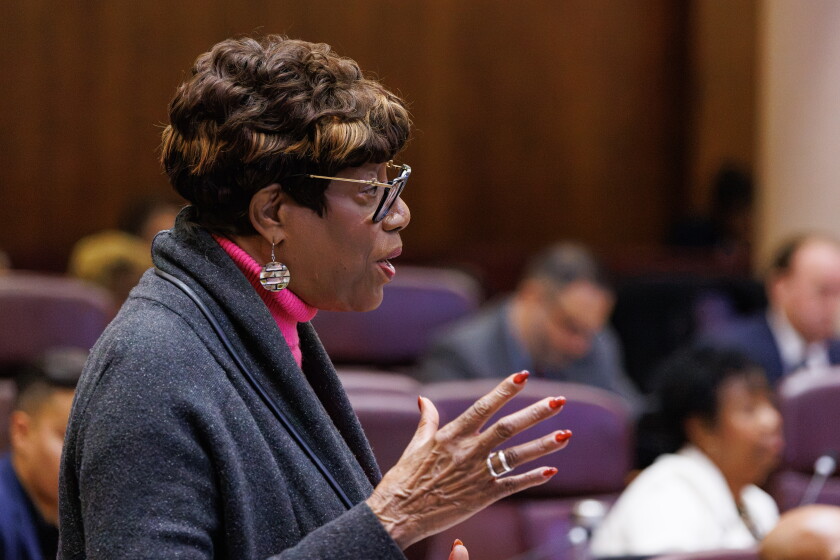
Finance Committee Chair Pat Dowell, who led negotiations for the payment, said the extra contribution could save the pension funds about $213 million over time. The city’s pension debt was about $36.4 billion in 2025. The police and fire funds are among the most underfunded; under the ordinance, each will receive $25.12 million, while the municipal employees and laborers funds will each receive $12.375 million.
Supporters said one-time revenue should reduce long-term pension obligations rather than ease immediate budget pressure. The Budget Accountability Coalition also described the payment as an addition to required contributions and projected savings of nearly $3 for every dollar spent.
Opponents, including Budget Chair Jason Ervin, warned the decision could put services such as libraries, youth jobs, affordable housing, tree trimming and rodent control at risk. Those were potential trade-offs, not announced cuts. Ald. Byron Sigcho-Lopez also questioned how the city would fund youth jobs.
Johnson now has to find another way to balance his proposed 2027 budget. The gap could grow if the council rejects or reduces other revenue and borrowing proposals in his plan.
Council’s Pension Vote Puts Chicago Services at Risk
Chicago’s council chose an extra pension payment over giving Mayor Brandon Johnson room to fund his proposed budget, creating a new hole before the city’s next spending plan is settled. The 44-6 vote requires the $75 million Stonepeak Partners payment to go to the four pension funds by December 31, 2026, in addition to required contributions.
Budget Chair Jason Ervin warned that the decision could put libraries, youth jobs, affordable housing, homelessness services and basic neighborhood work at risk. Those are possible trade-offs, not announced cuts. Ald. Byron Sigcho-Lopez, one of six no votes, asked how the city would pay for youth jobs as council members heard calls for more of them.
The vote also blocks Johnson from counting the windfall against a planned supplemental pension payment in his 2027 budget. The administration must now identify another way to close the gap. The shortfall could grow if alderpersons reject or reduce other proposals in the mayor’s plan, including revenue measures and borrowing for police settlements.
Supporters say the payment could save about $213 million over time. But council members should not treat a pension contribution as cost-free when the city faces competing needs. The council rejected the mayor’s approach; now both the administration and the majority that demanded this payment must account for what the choice means for city services.
Chicago Council Rejects Budget Patch for Pension Discipline
Chicago’s council made the fiscally responsible choice: an unexpected $75 million payment will reduce the city’s pension burden instead of being used to relieve pressure on Mayor Brandon Johnson’s proposed budget. The measure passed 44-6 and requires the money to reach the four pension funds by December 31, 2026, above the city’s required contributions.
Finance Chair Pat Dowell said the extra payment could save about $213 million over time. Chicago’s pension debt stood at roughly $36.4 billion in 2025, making it all the more important not to treat one-time revenue as permission to postpone long-term obligations. The ordinance also prevents the city from using the payment to cover required 2026 contributions or planned supplemental payments.
Johnson’s budget now has another gap to address. His allies warned that services including libraries, youth jobs, affordable housing and neighborhood maintenance could suffer, but those were possible consequences, not announced cuts. The mayor must put forward a way to balance the plan rather than count the same windfall toward a payment already anticipated in the budget.
The council’s vote shows that a broad majority rejected using an asset-related payment to make the immediate budget look easier. Pension promises are real obligations, and responsible budgeting means confronting them rather than shifting their cost forward. Johnson must now revise his proposal, while the council faces the trade-offs created by its decision.
Reported by FOX 32 Chicago, Chicago Sun-Times, PJ Media.