Stevens Endorses Rogers as Allies Question Fiancé’s Influence
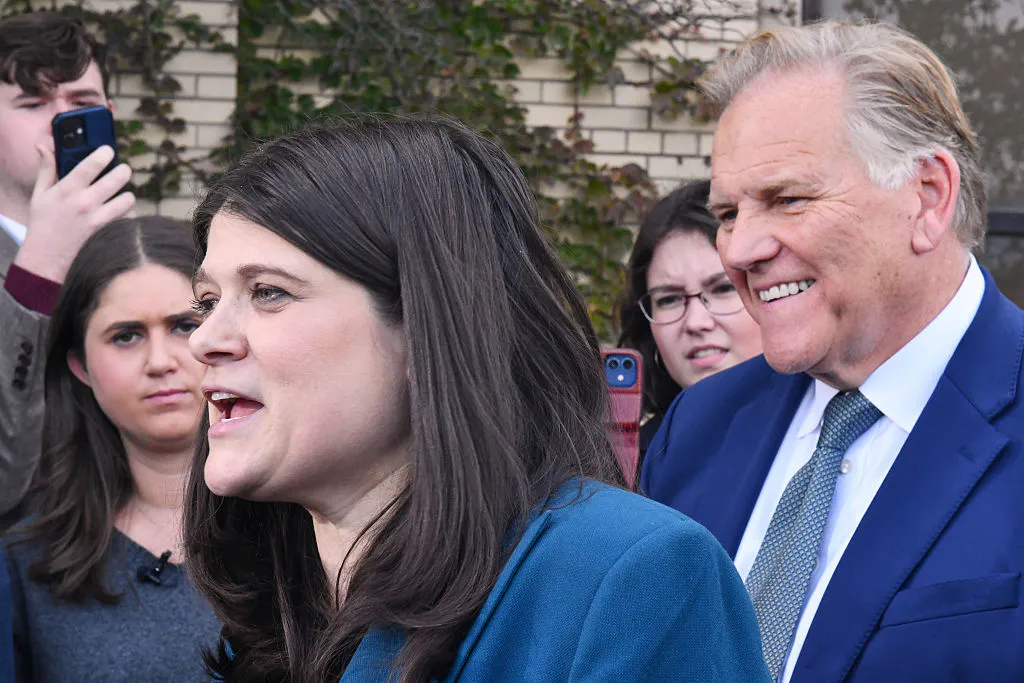
Stevens appeared with Rogers at a Detroit church on November 1 and announced she was backing him, despite having previously endorsed El-Sayed, the Democrat who defeated her in the August primary. The reversal came days before the midterm election and followed Turkish’s announcement that he planned to vote for Rogers because he believed El-Sayed’s criticism of Israel threatened Jewish safety. El-Sayed has rejected claims that his criticism is antisemitic and has affirmed his commitment to Jewish safety.
Former Michigan governor Jim Blanchard said Turkish pressed Stevens at a dinner to consider how disappointed Democrats were with her. Blanchard said Stevens had recently indicated she would continue supporting El-Sayed. University of Michigan regent Jordan Acker also voiced concern about Turkish’s conduct and claimed he had taken Stevens’s phone; Turkish denied that, saying she had switched it off because of incoming calls.
Former campaign adviser Caitlin Legacki described the relationship as toxic and said friends worried it was emotionally abusive. Former staffers also alleged Turkish sent Stevens critical social-media posts about her. Stevens has said the endorsement was her decision and called claims that she was forced into it misogynistic. Her mother, Maria Marcotte, likewise rejected suggestions that Stevens had been pressured.
Stevens said her decision was partly tied to El-Sayed’s stance on Israel. She had been expected to join him and other Democrats at a Detroit church gathering, but instead endorsed Rogers. The move drew criticism from Democrats, while El-Sayed’s campaign received a surge in donations. A poll released on November 1 showed El-Sayed leading Rogers 53% to 42%.
Stevens’s Israel Dispute Ends in Backing for Trump-Linked Republican
Stevens’s endorsement of Rogers, a Republican she previously criticized as enabling Donald Trump’s agenda, is a stark break with her party and her earlier promise to help El-Sayed win. The move came after a primary shaped by debate over Israel and major spending by pro-Israel groups backing Stevens. El-Sayed has called for Israel to end its receipt of U.S. military aid while rejecting accusations of antisemitism.
Stevens had been expected to appear alongside El-Sayed and additional Democrats at a Detroit church on November 1. Instead, she joined Rogers and cited her conflict with El-Sayed, including his positions on Israel. Democrats across the party condemned the reversal, while El-Sayed’s campaign saw a late fundraising surge. A poll released that day put him ahead of Rogers, 53% to 42%.
The turn also raised questions about the influence of Stevens’s fiancé, Jason Turkish, who had already said he planned to vote for Rogers over concerns about El-Sayed’s criticism of Israel. Former governor Jim Blanchard said Turkish pressed Stevens about Democrats’ disappointment in her. Former aides alleged Turkish sent her hostile social-media posts; University of Michigan regent Jordan Acker said he worried about Turkish’s treatment of people around Stevens.
Stevens and Turkish deny that he controlled her decision. Stevens called claims she was forced into it misogynistic, and her mother rejected suggestions of brainwashing. But the episode has made Israel a defining fault line in a race where El-Sayed has emphasized economic issues and health care, and has further strained Democratic efforts to unite behind him.
Stevens’s Choice Is Hers, Despite Claims Her Fiancé Pulled Strings
Stevens made her own decision to back Rogers, her mother, Maria Marcotte, said, rejecting claims that the congresswoman was “brainwashed” by fiancé Jason Turkish. Stevens has also said allegations that she was forced into the endorsement reflect misogyny toward women in politics. Turkish disputed a claim that he took her phone, saying Stevens had turned it off amid a flood of calls.
The endorsement came on November 1, when Stevens appeared with Rogers at a Detroit church instead of joining El-Sayed and additional Democrats at a unity event. She said El-Sayed had told her she could no longer take part in his campaign and cited his positions on Israel. Turkish, a Jewish disability-rights lawyer, had announced days earlier that he would vote for Rogers because he believed El-Sayed’s criticism of Israel put Jews at risk. El-Sayed denies that his criticism is antisemitic and says he is committed to Jewish safety.
Democratic allies and former staffers have accused Turkish of exerting undue influence. Blanchard said Turkish pressed Stevens about Democrats’ disappointment; former adviser Caitlin Legacki and other former campaign workers described troubling behavior. These are allegations, not proof that Stevens’s choice was made for her. Stevens has maintained that the endorsement was her decision.
The political fallout is significant: Democrats condemned Stevens’s reversal, while El-Sayed’s campaign received a surge in donations. A poll released November 1 showed him leading Rogers 53% to 42%. The dispute has centered on Israel, but Stevens’s supporters’ account is clear: disagreement with her choice does not establish that she was controlled.
Reported by The New Republic, The Daily Beast, The Guardian US, New York Post, Newsweek, CNN, Slate, Twitchy, Hot Air, The Washington Examiner, WSVN 7News.