Stevens Endorses Republican in Michigan Senate Race
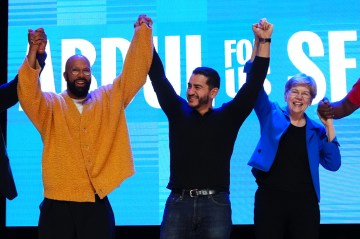
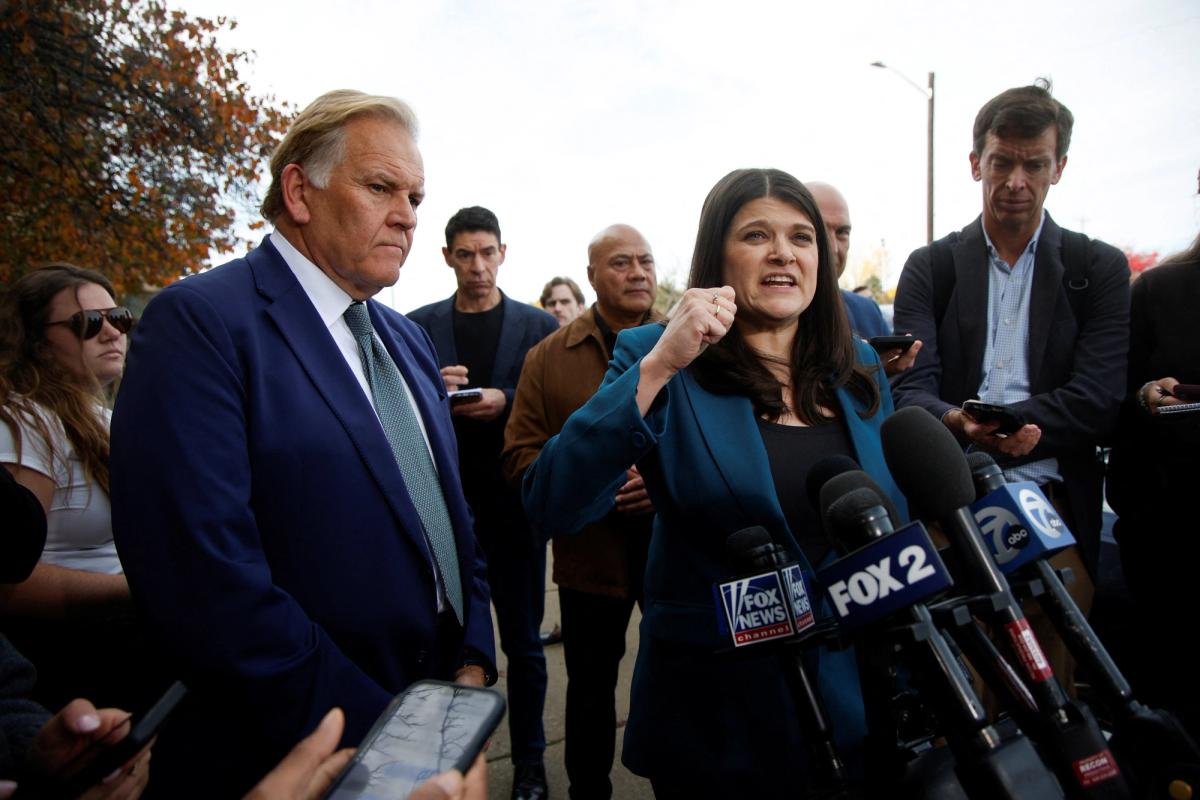
At a Black church in Detroit on Sunday, Stevens stood beside Rogers, days after Democratic leaders had tried to arrange a joint appearance with El-Sayed to project party unity before Tuesday’s election. The endorsement followed her loss to El-Sayed in the Democratic Senate primary and a week of public tension between the former rivals.
The reversal caught some Democrats by surprise. Rep. Jamie Raskin said Stevens had assured him the previous night that she would back El-Sayed. Senate Democratic Leader Chuck Schumer called her decision a “despicable betrayal.” El-Sayed played down the development, telling reporters, “None of this matters.”
Stevens’ staff had urged her against endorsing Rogers, a source who had worked on her campaign said. Several staff members resigned after the endorsement. Michigan Democratic Party chair Curtis Hertel Jr. said Stevens had been expelled from the state party, while national Democratic leaders voiced support for El-Sayed.
The rift reflects wider divisions over Israel and the party’s relationship with its progressive wing. Stevens and other Michigan Democrats had avoided closeness with El-Sayed because of his Israel positions and association with streamer Hasan Piker. An anti-Israel advertisement from Cenk Uygur’s Rebellion PAC intensified tensions. Stevens may also face calls for discipline in the House Democratic caucus over a rule barring members from campaigning for non-Democrats.
Stevens’ Rogers Endorsement Exposes Democrats’ Israel Divide
A Republican Senate candidate received a boost from a former Democratic rival on Sunday, as Rep. Haley Stevens appeared with Mike Rogers at a Detroit church and endorsed him over Abdul El-Sayed. Her move came after party leaders had tried to bring the two Democrats together for a unity event ahead of Tuesday’s election.
Stevens’ reversal intensified a party split over Israel and the treatment of its progressive wing. El-Sayed had won the primary, but Stevens and other Michigan Democrats had kept their distance from him over his views on Israel and his association with streamer Hasan Piker. An anti-Israel ad from Cenk Uygur’s Rebellion PAC further inflamed the dispute.
Democratic leaders had pressed for unity, and Rep. Jamie Raskin said Stevens assured him the night before that she would support El-Sayed. Schumer condemned her endorsement as a “despicable betrayal.” El-Sayed brushed off the rupture, saying, “None of this matters.”
Several Stevens staffers resigned after her endorsement, and Michigan party chair Curtis Hertel Jr. said she had been expelled from the state party. Her decision also risks scrutiny in the House caucus, whose rules bar members from campaigning for non-Democrats. The episode leaves Democrats confronting a costly question: whether party leaders will stand behind voters’ choice of nominee or allow internal disputes over Israel to undermine him.
Michigan Democrats’ Progressive Rift Breaks Into the Open
Michigan’s Democratic infighting became impossible to disguise Sunday when Rep. Haley Stevens, after losing the party’s Senate primary to Abdul El-Sayed, appeared with Republican nominee Mike Rogers and endorsed him. The move came just before Tuesday’s election and derailed party leaders’ effort to present a united front.
El-Sayed’s primary victory had become a test of whether a left-wing candidate could win beyond deep-blue areas. The clash with Stevens has sharpened questions about the party’s direction, including El-Sayed’s positions on Israel and his association with streamer Hasan Piker. An anti-Israel ad from Cenk Uygur’s Rebellion PAC added to the tensions.
Stevens had told Rep. Jamie Raskin the previous night that she would back El-Sayed, he said. Schumer denounced her switch as a “despicable betrayal,” while El-Sayed dismissed the drama, saying, “None of this matters.” Several of Stevens’ staff resigned, and Michigan party chair Curtis Hertel Jr. said she was expelled from the state party.
The episode shows the cost of a party unable to contain its ideological conflict even after selecting a nominee. Stevens could also face consequences in the House Democratic caucus, where rules prohibit members from campaigning for non-Democrats. The dispute is likely to keep the party’s divisions over its progressive direction and Israel in focus beyond the Michigan contest.
Reported by Semafor, Reason, Daily Mail US, The Washington Examiner.