Judge orders release of dentist detained by ICE
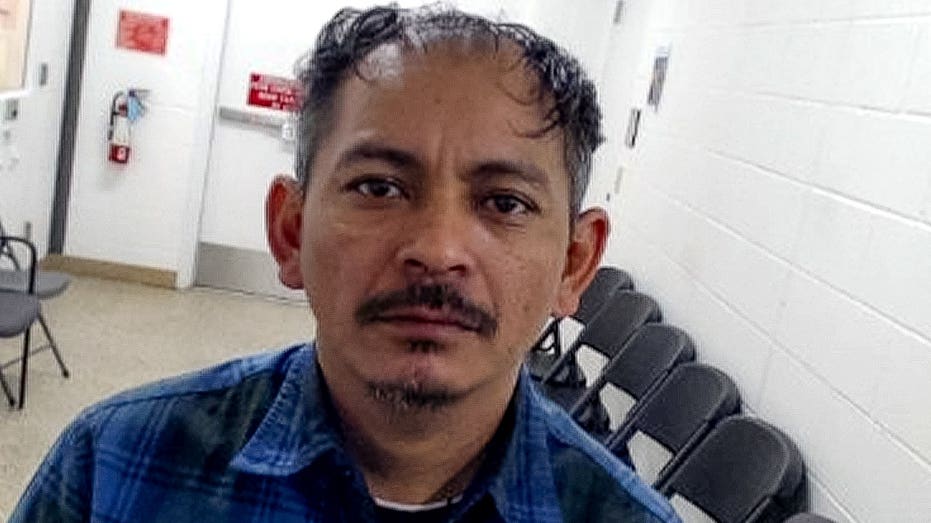
On November 1, U.S. District Judge Michael J. Davis ordered immigration authorities to release William Lizardo, a 32-year-old dentist detained by ICE in Minnesota. Davis found that his arrest and detention violated his constitutional rights, and Lizardo was home after the ruling. The order also bars officials from detaining or removing him again without first seeking the court’s approval.
Lizardo came to the United States in 2019 on a student visa to attend the University of Minnesota’s dental school. He graduated in 2023, married a fellow student, and became a father in 2025. He worked in areas with dentist shortages and later gave his time at an affordable clinic in Burnsville.
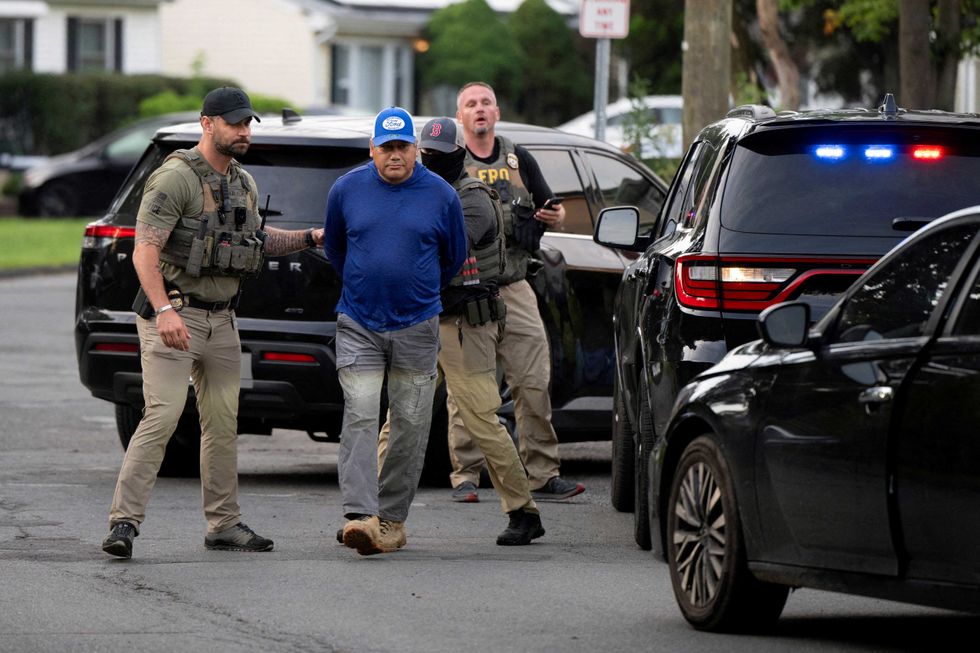
The government had sent a hearing notice to an address that Davis said conflicted with more recent address information held by immigration officials. Lizardo did not attend the hearing, and an immigration court ordered him removed in his absence. He learned of the order at an immigration interview in October, where ICE agents arrested him. An immigration court later reopened the case after finding evidence that he had not received notice.
Davis said the government had not established a legal basis for the detention or shown that Lizardo posed a flight risk. He cited Lizardo’s attendance at appointments when notified, his address updates, and his family and community ties. Any future request to detain him must be approved by the court, with officials required to show clearly that release conditions cannot ensure his appearance or community safety. The ruling does not grant him permanent residency; his immigration case remains open.
Judge checks ICE detention after notice failure
A federal judge’s order highlights the cost of immigration enforcement built on faulty paperwork: William Lizardo, a Minnesota dentist with a wife and young child, was jailed after officials sent a hearing notice to an address that conflicted with information they already had.
On November 1, Judge Michael J. Davis ordered Lizardo released and barred authorities from detaining or removing him again without court permission. The judge found that the government had not shown a lawful basis for holding him or evidence that he was likely to flee. Lizardo had attended appointments when he received notice and had kept immigration officials informed of address changes.
Lizardo entered the United States in 2019 on a student visa and graduated from the University of Minnesota’s dental school in 2023. He worked in areas short of dentists and volunteered at a low-cost clinic. After he missed a hearing he had not learned about, he was ordered removed in his absence. An immigration court later reopened the case after finding sufficient evidence that he did not receive notice.
The ruling requires officials to return to court before any renewed detention and to show clearly that no release conditions can ensure Lizardo’s appearance and community safety. It does not settle his application for permanent residency. The case underscores why due process matters: enforcement cannot excuse detention when the government’s own handling of notice has put someone’s liberty at risk.
Court limits ICE detention authority in Lizardo case
A federal judge has placed a strict limit on immigration authorities’ ability to detain William Lizardo, ordering his release and requiring court approval before any renewed custody or removal. The ruling leaves his immigration case unresolved, but gives the court a gatekeeping role over future enforcement steps.
Judge Michael J. Davis said the government had not established a lawful basis for Lizardo’s detention or shown that he was a flight risk. He relied on evidence that Lizardo attended appointments when notified, updated immigration officials about his address, and had family and community ties. Those facts matter, but they do not decide whether he qualifies for permanent residency.
Lizardo, a Canadian-born dentist, entered the country in 2019 on a student visa and graduated from the University of Minnesota’s dental school. Authorities sent a hearing notice to an address that Davis said conflicted with newer information in government records. Lizardo missed the proceeding, after which authorities issued an order for his removal without him present. After he was arrested at an immigration interview in October, an immigration court reopened his case based on evidence he had not received notice.
The judge now requires officials to seek permission before detaining or removing him again and to provide clear evidence that release conditions cannot assure his appearance or community safety. The case demonstrates the competing demands in immigration enforcement: agencies must follow legal process, while courts must avoid turning review of an individual detention into a substitute for resolving the underlying immigration case.
Reported by Raw Story, Newsweek, CBS Chicago.