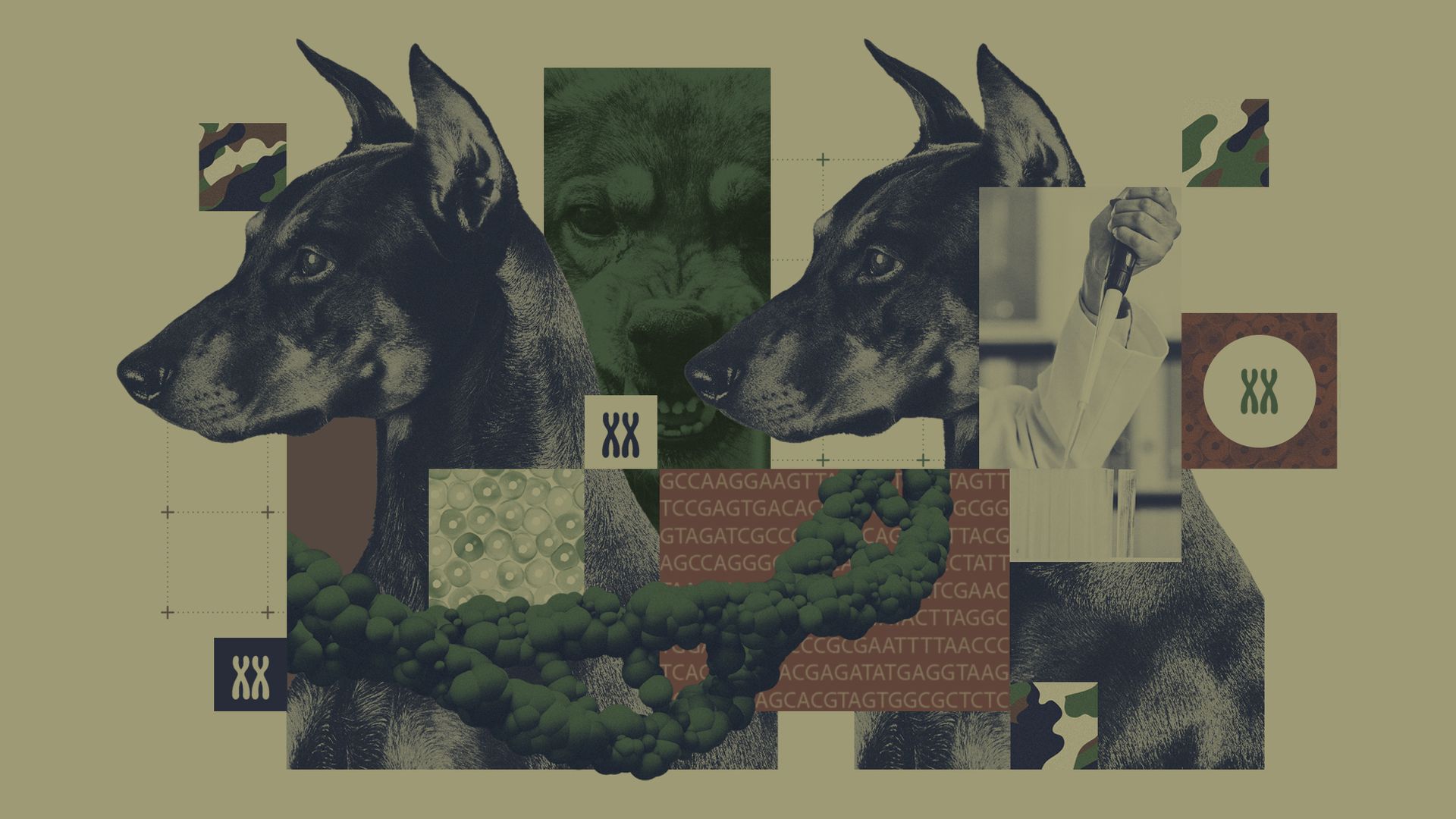
Warhound Plans Engineered Dogs for Military and Police Work
Warhound plans to clone and genetically modify dogs for work including bomb detection, searches and policing. The startup was founded by Ben Lamm, co-founder of Colossal Biosciences, and Palmer Luckey, founder of defense contractor Anduril Industries. It emerged from stealth on October 29 with $200 million in funding, valuing the company at $1.2 billion.
The company intends to collect genetic material from highly trained dogs and use engineering to address common health problems in working breeds. It has also discussed more advanced modifications, including adding wolf olfactory receptor genes. Anduril is expected to provide equipment such as protective vests and goggles, as well as software and hardware to help dogs and handlers coordinate and understand their surroundings.
Warhound says animal welfare is central to its plans and that it is working with the American Humane Society. It argues healthier, more durable dogs could reduce the number needed for assignments and make missions safer. The company’s founders are drawing on Colossal’s work in genetics, cloning and animal biology, alongside Anduril’s defense technology.
The proposal has raised ethical concerns among experts. Veterinarian and bioethicist Lisa Moses has warned that cloning can involve invasive procedures on many dogs, with some killed in the process of producing a cloned puppy. The company’s plans combine that disputed process with the use of engineered animals in military and law-enforcement work.
Warhound’s Military Dog Plan Puts Animal Welfare at Stake
A new venture wants to bring genetic engineering and cloning into military and police dog programs. Warhound, founded by Colossal Biosciences co-founder Ben Lamm and Anduril founder Palmer Luckey, emerged from stealth on October 29 with $200 million in funding and a $1.2 billion valuation.
The company says it will use genetic material from highly trained dogs and engineer out common health problems. It has also raised the prospect of more extensive changes, including adding wolf olfactory receptor genes. Anduril is set to supply equipment and technology, including protective vests, goggles and tools for coordination between handlers and dogs.
Warhound says animal welfare is central to its approach, and it is working with the American Humane Society. But assurances do not erase the risks inherent in cloning. Veterinarian and bioethicist Lisa Moses has cautioned that the process can involve invasive procedures on many dogs, with animals killed in producing a cloned puppy.
The company says its approach could mean fewer dogs are needed and missions become safer. Yet the plan is to place genetically engineered animals into work that includes policing and military assignments. That makes scrutiny of the welfare claims essential as the venture develops.
Warhound Aims to Improve Dogs Sent Into Dangerous Missions
Dogs already take on dangerous work for people; Warhound says it wants to make those assignments safer and more effective. The startup, founded by Colossal Biosciences co-founder Ben Lamm and Anduril founder Palmer Luckey, emerged from stealth on October 29 with $200 million in funding and a $1.2 billion valuation.
Warhound plans to preserve genetic material from highly trained dogs and use genetic engineering to address common health problems in working breeds. It has also discussed possible future changes such as incorporating wolf olfactory receptor genes. Anduril will contribute equipment, including protective vests and goggles, and technology to support handlers and dogs in the field.
The company says animal welfare is central to its program and that it is working with the American Humane Society. Its case is that healthier, more durable dogs and better training success could reduce the number of animals needed for assignments and improve mission safety.
Ethical concerns remain. Veterinarian and bioethicist Lisa Moses has warned that cloning can require invasive procedures on many dogs and that some may be killed in the process of producing a cloned puppy. Those concerns deserve attention, but Warhound’s stated aim is to improve the health and protection of dogs already asked to serve in demanding roles.
Reported by Hot Air, The Week, Deseret News.