USF Will Replace Don Mascot With Wolf in Spring 2027
The University of San Francisco plans to retire its Don mascot and bring in a wolf as the spring 2027 semester opens. The change ends a tradition dating to 1932, while the university’s teams will continue to be called the Dons.
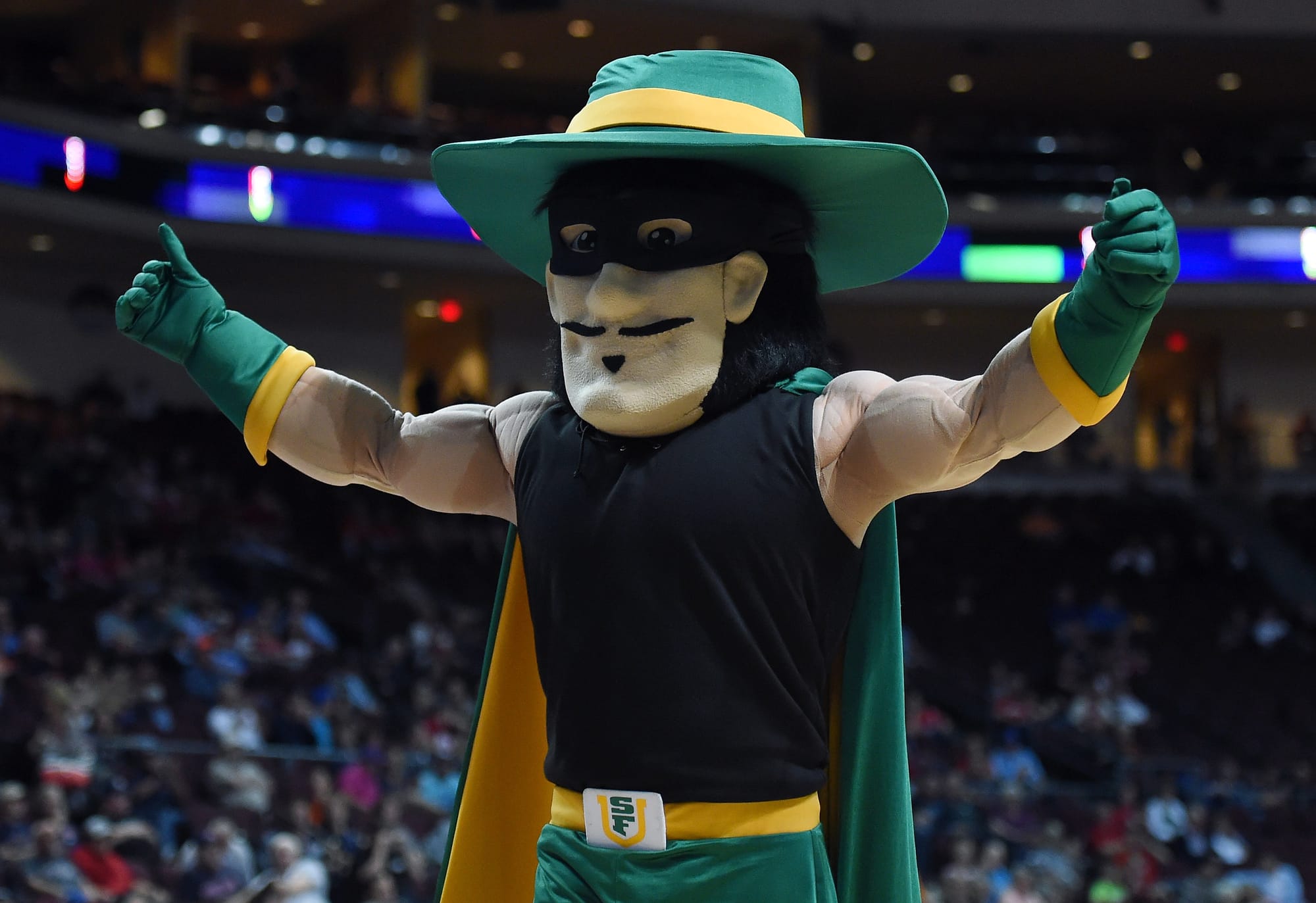
The Don is portrayed as a masked man wearing a green Spanish-style hat and a pencil mustache. The character was named after Francisco de Haro, who served as Yerba Buena’s inaugural mayor, when the settlement later became San Francisco. Some students argued that the figure and the Spanish title Don evoke the colonization of California’s Indigenous people.
Student government passed a resolution in 2022 urging the university to replace the mascot, and a petition backing the move collected more than 400 signatures. Ariana Anayat, a former student government vice president who spearheaded the campaign, said she was “elated” by the decision. Some alumni, meanwhile, criticized the change online as an unnecessary break with campus sports history.
President Salvador Aceves said new leadership at the university and in athletics made the moment right to refresh its image. He described the wolf as representing intelligence, endurance and cooperation, while emphasizing that the Dons name would remain. The university also connects the choice to bronze statues of Los Lobos de Loyola on campus, depicting the coat of arms of Jesuit founder Saint Ignatius of Loyola.
Officials plan to consult students and staff on the wolf costume design in the coming months.
USF Finally Retires Mascot Students Linked to Colonialism
The University of San Francisco is ending a nearly century-long mascot tradition after students objected to imagery they connected with the colonization of California’s Indigenous people. The Don will give way to a wolf at the start of the spring 2027 semester, though the school’s athletic teams will remain the Dons.
The character—a masked man in a Spanish-style hat and mustache—was named after Francisco de Haro, who served as Yerba Buena’s inaugural mayor. Students questioned whether celebrating the figure and the Spanish honorific Don was appropriate given that history. Student government passed a replacement resolution in 2022, and more than 400 people signed a petition supporting the change.
Ariana Anayat, a former student government vice president who led the campaign, said she was “elated” to see it reach this point. The decision recognizes that a familiar campus symbol can carry a painful meaning, even when it has been part of athletics for decades.
President Salvador Aceves said the university wants a mascot associated with intelligence, endurance and cooperation. The wolf design is still being developed, with students and staff expected to be consulted in the coming months. USF says the wolf also connects to its Jesuit heritage through campus statues depicting Saint Ignatius of Loyola’s coat of arms.
USF Drops 92-Year Mascot After Student Campaign
The University of San Francisco is ending a mascot tradition that began in 1932 after a campaign backed by more than 400 petition signatures. The Don will be replaced by a wolf when the spring 2027 semester begins, even as the school keeps the Dons name for its teams.
The Don, a costumed figure wearing a green hat in Spanish style and a narrow pencil mustache, paid tribute to Francisco de Haro, who was Yerba Buena’s inaugural mayor. Student government called for the character’s removal in 2022, arguing it represented the exploitation and subjugation of Indigenous people in California. The administration has now chosen to leave the long-standing sports symbol behind.
The shift has not pleased everyone: several alumni criticized the decision online as an unnecessary rewriting of campus sports history. Their objections underline the cost of replacing a familiar tradition in response to a campaign that drew hundreds of signatures.
President Salvador Aceves said new leadership made this an appropriate time to change the mascot, while stressing that the Dons identity will continue. He described the wolf as intelligent, enduring and cooperative. The school points to its bronze Los Lobos de Loyola statues as a connection to Jesuit founder Saint Ignatius of Loyola, and plans to seek student and staff input on the costume design.
Reported by SFist, New York Post, Breitbart.




