El-Sayed Bars Stevens From Joint Detroit Campaign Event
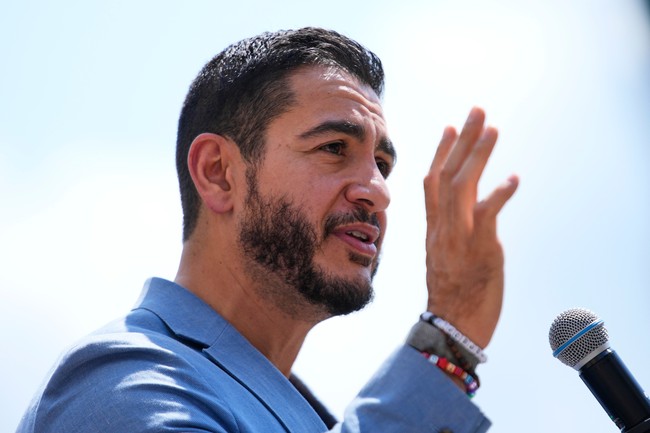
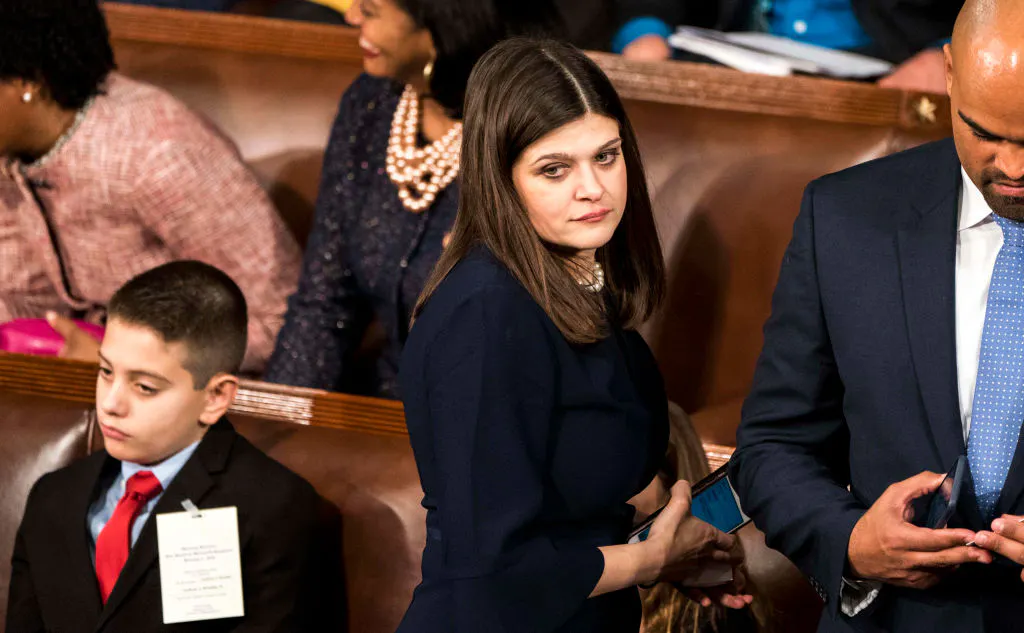
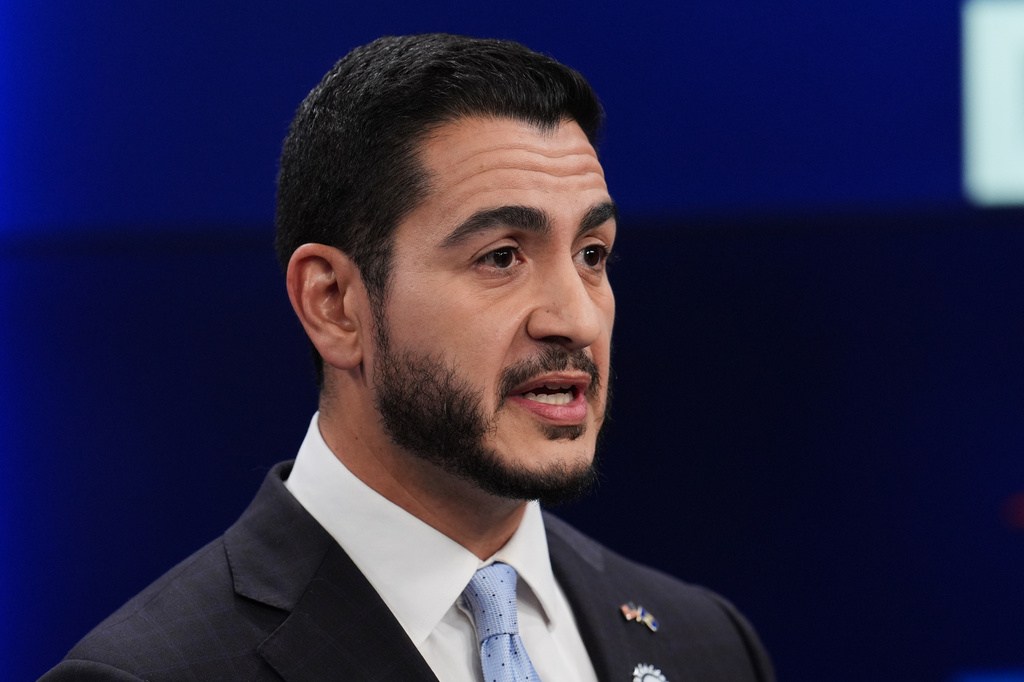
A planned joint appearance in Detroit by Michigan Senate candidates Abdul El-Sayed and Haley Stevens fell apart after Stevens called for El-Sayed to condemn an ad she described as antisemitic. El-Sayed later disinvited her from the event, scheduled for Sunday at a Detroit church with Rep. Jim Clyburn, according to the accounts provided. His campaign also asked Stevens to stay away from other events in the race’s closing days, people familiar with the decision said in one account.
The ad, produced by Rebellion PAC and promoted by Cenk Uygur, depicts a couple blaming grocery costs on Israel and its war in Gaza. Jewish leaders condemned it. Stevens called the ad wrong and said it would not help Michigan Democrats. El-Sayed’s campaign said it did not produce the ad, while his own statement criticized Stevens for focusing on a primary that had ended three months earlier rather than the campaign ahead.
Stevens said on October 30 that she understood El-Sayed had disavowed the ad and planned to attend the event with Clyburn. That followed talks between the two candidates, with Clyburn mediating, according to one account. El-Sayed’s subsequent statement did not explicitly condemn the ad. Stevens said she would not comment on the dispute again before the election.
The conflict could affect El-Sayed’s efforts to win over Stevens supporters. She received 51 percent of the Wayne County primary vote, compared with his 45 percent, while El-Sayed won the primary by less than one percentage point. Some Black voters in Detroit have said he is struggling to gain support among that group.
El-Sayed has also faced criticism over campaign associates, including Hasan Piker, who made disparaging comments about the Detroit suburb of West Bloomfield. El-Sayed called those comments inappropriate. He has campaigned with other controversial figures, including Benton Harbor Mayor Marcus Muhammad. Stevens’s fiancé has said he plans to vote for Republican Mike Rogers.
El-Sayed’s Fight With Stevens Threatens Democratic Unity
The Michigan Senate contest’s closing days have become a public test of whether Democrats can confront antisemitism without turning a disagreement into a party rupture. Rep. Haley Stevens said she understood Abdul El-Sayed had disavowed a controversial ad and planned to join him and Rep. Jim Clyburn at a Detroit church event. El-Sayed then disinvited her.
The Rebellion PAC ad links grocery costs to Israel and its war in Gaza. Stevens called it wrong and said it did nothing to help Democrats. Jewish leaders also condemned it. El-Sayed’s campaign said it did not make the ad, but his statement attacked Stevens for revisiting a primary that ended three months earlier rather than clearly addressing her concern.
Stevens’s request was a chance for the candidates to affirm that economic hardship and opposition to Israel’s war do not justify blaming Jews. Instead, the dispute widened: El-Sayed’s campaign also sought to keep her away from other events in the race’s final days. Stevens said she would not comment further until after the election.
The stakes extend beyond the two candidates. Stevens won 51 percent of Wayne County’s primary vote to El-Sayed’s 45 percent, and he beat her by less than one point overall. Alienating her voters, including in Detroit, could make it harder for him to build a broad coalition. El-Sayed has called Hasan Piker’s comments about West Bloomfield inappropriate, but the latest dispute leaves voters with a basic question: why was a clear condemnation so difficult?
El-Sayed Pushes Stevens Out After Antisemitism Challenge
A candidate seeking to represent Michigan is shutting out a fellow Democrat for asking him to condemn an ad that blamed Jews and Israel for economic hardship. Abdul El-Sayed’s decision to disinvite Rep. Haley Stevens from a planned Detroit church event turned a straightforward demand for accountability into a dispute about party loyalty.
The Rebellion PAC ad depicts a couple blaming grocery costs on Israel and its war in Gaza. Stevens called the spot wrong, and Jewish leaders condemned it. El-Sayed’s campaign said it did not produce the ad, but his statement faulted Stevens for revisiting the primary rather than explicitly condemning the message. His campaign also asked her to stay away from other events in the race’s final days.
Stevens had said she understood El-Sayed had disavowed the ad and would attend the event with Rep. Jim Clyburn. The apparent opening for a joint appearance collapsed after El-Sayed criticized her. Stevens said she would hold off on further comment until the election was over.
This is a costly way to treat a fellow Democrat who won 51 percent of Wayne County’s primary vote, while El-Sayed received 45 percent there and won statewide by less than one point. His response risks alienating Stevens voters at a moment when he needs a wider coalition. El-Sayed has also faced criticism over Hasan Piker’s remarks about West Bloomfield, which he called inappropriate; the continuing controversy only sharpens scrutiny of the company he keeps and the standards he applies.
Reported by Washington Free Beacon, Townhall, The Washington Examiner.