D.C. and Virginia Sue to Block Trump’s Proposed Arch
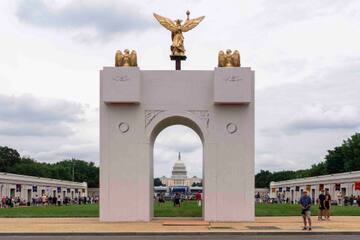
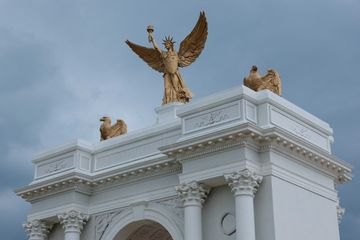
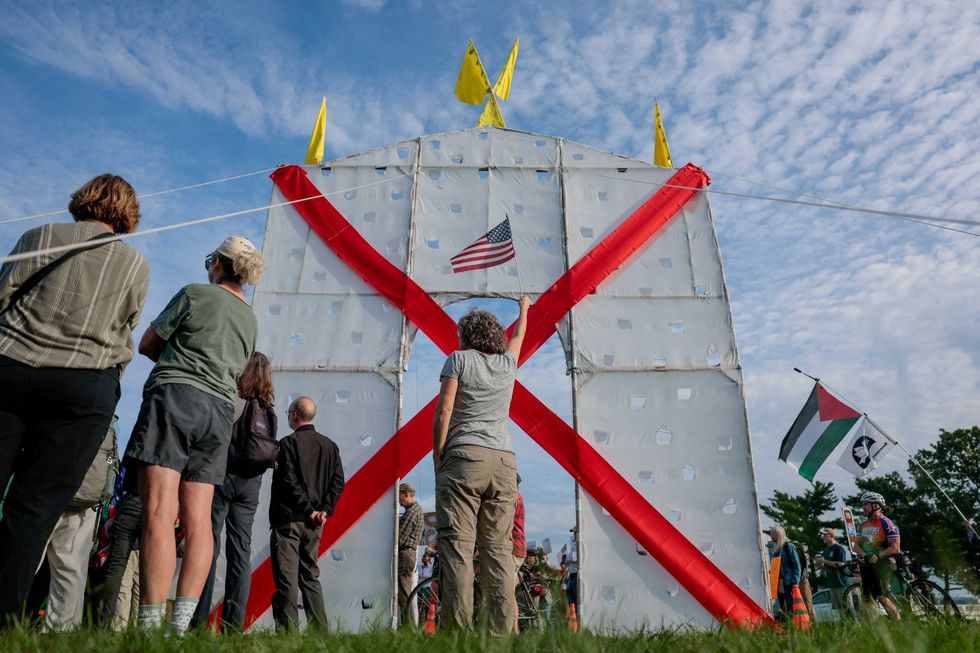
The District of Columbia and Virginia asked a federal court on October 31 to block construction and site preparation for President Donald Trump’s proposed triumphal arch at Memorial Circle. The administration has said work could begin as early as November 5, when the National Capital Planning Commission is due to review the project’s completed plans.
The attorneys general argue that the arch lacks required congressional authorization and would violate federal height restrictions. Their complaint also alleges that federal officials failed to meet environmental and historic-preservation requirements. The proposed structure would reach 250 feet, while the lawsuit cites a general 130-foot limit for buildings on a business street or avenue in the District.
The jurisdictions say construction, expected to take two to three years, would disrupt traffic and emergency services, generate pollution and stormwater runoff, and require them to spend resources responding to the effects. The complaint cites daily traffic through Memorial Circle of more than 27,000 vehicles, along with 1,100 bicyclists and 1,200 pedestrians. It says construction could affect routes connecting Washington with Arlington County, whose governments have agreements to assist one another in emergencies.
The suit is the third legal challenge seeking to stop the project. Another lawsuit filed by three veterans of the Vietnam War and a historic preservationist is before U.S. District Judge Tanya Chutkan, who held a hearing on October 30 but did not immediately rule on a request to halt construction. The new filing also asks for a temporary restraining order and for federal approvals to be vacated.
The lawsuit raises concerns about the administration’s stated plans for military uses, including drones and ammunition. It says the submitted planning documents do not address those proposed uses. The planning commission’s November 5 meeting is the next scheduled step in reviewing the arch.
D.C. and Virginia Challenge Trump’s Arch Before Construction
Washington, D.C., and Virginia are seeking to stop President Donald Trump’s proposed arch before construction can begin, arguing that the administration is pushing ahead without the approvals and reviews federal law requires. Their October 31 lawsuit asks a federal court to block work at Memorial Circle as planners prepare to review the complete plans on November 5.
The attorneys general say Congress has not authorized the project and contend that its 250-foot height violates restrictions that generally cap buildings on a District business street or avenue at 130 feet. They also allege failures to meet environmental and historic-preservation requirements. Those claims put the legality of the administration’s process—not just the design—at the center of the dispute.
The jurisdictions warn that construction, projected to last two to three years, could disrupt emergency services and traffic between Washington and Arlington, as well as cause pollution and stormwater runoff into the Potomac. Their filing cites more than 27,000 vehicles, 1,100 bicyclists and 1,200 pedestrians passing through Memorial Circle each day. It also says the jurisdictions would have to commit public resources to address the effects.
The filing adds a third lawsuit seeking to halt the project. Another suit filed by three veterans of the Vietnam War and a historic preservationist is pending before Judge Tanya Chutkan, who heard arguments on October 30 without immediately ruling on a construction pause. The new suit seeks a temporary restraining order and asks the judge to nullify federal approvals.
The administration has also described military uses for the arch, including drones and ammunition, but the jurisdictions say those uses are absent from the submitted planning documents. Moving toward approval while these issues remain in court would put the burden of an unfinished process on the public and the communities that say they will bear its consequences.
States Turn to Court to Block Trump’s Memorial Arch
Washington, D.C., and Virginia have taken their objections to President Donald Trump’s proposed arch to court, asking a judge to stop construction before federal officials review the completed plans on November 5. The lawsuit could delay a project the administration says may move toward construction as early as that date.
The attorneys general argue that Congress did not authorize the arch and that its 250-foot height conflicts with a District limit generally set at 130 feet for buildings on business streets or avenues. They also claim federal officials failed to satisfy environmental and historic-preservation requirements. The allegations remain claims in a lawsuit, not findings by a court.
The jurisdictions say the project would bring traffic disruption, pollution, stormwater runoff and pressure on emergency services. They cite more than 27,000 vehicles, 1,100 bicyclists and 1,200 pedestrians passing through Memorial Circle daily, and say construction could affect connections between Washington and Arlington County. The case now gives a court another opportunity to weigh whether the project can proceed under the applicable laws.
This is the third lawsuit seeking to halt the arch. Judge Tanya Chutkan heard arguments on October 30 in another case filed by three veterans of the Vietnam War and a historic preservationist, but did not immediately decide whether to pause construction. The District and Virginia are seeking a temporary restraining order and reversal of federal approvals.
The dispute also concerns military functions the president has described for the structure, including drones and ammunition. The jurisdictions say those uses were not covered in the planning documents they challenge. Their suit asks the court to resolve the legal objections before construction advances, rather than allowing a contested project to become harder to halt once work is underway.
Reported by Raw Story, Newsweek, FOX 29 Philadelphia, The Washington Examiner, The Philadelphia Inquirer, NBC News, FOX 4 Dallas-Fort Worth, CBS News, The Guardian US, ABC News.