Detroit Faces Millions in Soil Cleanup Costs
Detroit is removing contaminated fill from sites where homes were demolished, after the soil was found to exceed state standards. City officials said 655 properties were flagged for possible contamination, and testing is nearly complete, with results pending for a small number of sites.
Of 380 publicly owned properties where fill exceeded state standards, 195 were assessed as posing elevated health risks. Prolonged contact could harm health, and in some cases contamination could move through the soil and affect indoor air in nearby buildings. The city is working with its Health Department to notify nearby residents and has created an online site for remediation updates.
Construction and Demolition Department director Timothy Palazzolo said about 280 publicly owned properties still require cleanup, along with nearly 50 private properties. The estimated cost for that work is about $11.6 million. Separately, officials put the cost of cleaning up the 195 elevated-risk sites at about $6.7 million.
Council members warned that costs could rise if individual projects require more money than their estimates. Corporation Counsel Conrad Mallett said the city may have difficulty getting expenses reimbursed by contractors or vendors, and that the city is discussing possible support with the Detroit Land Bank Authority, which owns 535 of the 655 sites.
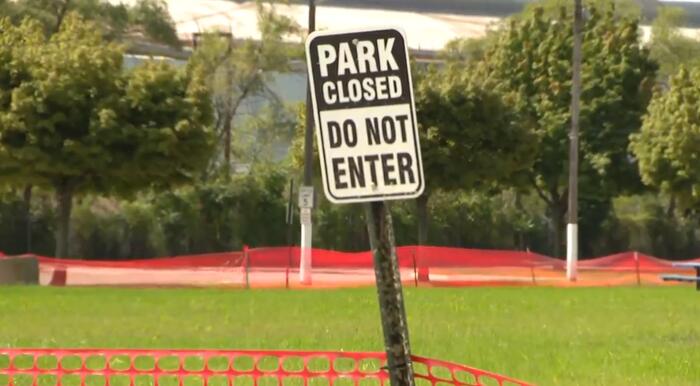
The FBI, Detroit police, state authorities and the city inspector general are investigating how contaminated soil was used as demolition fill. City officials estimate that work on the most severely affected sites could continue into 2029. Councilwoman Angela Calloway urged the department to post warning signs at untreated properties and tell residents and children to stay away.
Detroit’s Toxic Soil Cleanup Must Put Residents First
Nearly 200 publicly owned Detroit sites have soil contamination officials consider an elevated health risk, and the city’s cleanup could stretch into 2029. For residents living near former demolition sites, that timeline raises urgent questions about warning people and protecting their health.
The city identified 380 public properties with fill dirt above state standards, including 195 where concentrations could harm people after prolonged contact or potentially affect air inside nearby buildings. Officials are working with the Health Department on resident notices, but Councilwoman Angela Calloway pressed for clear warning signs at untreated lots, saying fencing alone is not enough.
The department estimates about $6.7 million to clean the 195 elevated-risk sites. Across the remaining publicly owned and private properties needing remediation, the projected cost is about $11.6 million. Council members cautioned that those figures may rise if individual cleanup jobs require additional funding.
The FBI, Detroit police, state authorities and the city inspector general are investigating how contaminated fill entered the demolition program. Corporation Counsel Conrad Mallett said the city may struggle to recover costs from companies and is discussing assistance with the Detroit Land Bank Authority. The public should not be left to bear a cleanup burden tied to alleged contractual violations or possible criminal conduct. Officials say the most severe work could last through 2029.
Detroit Taxpayers Face a Costly Soil Cleanup
Detroit’s contaminated-soil cleanup is becoming a major financial burden, with officials estimating $11.6 million for remediation across public and private properties. Council members say costs could climb further if site work exceeds its estimates, leaving residents exposed to an uncertain bill.
Of 655 properties flagged for testing, 380 publicly owned sites had fill dirt above state standards, and 195 were assessed as posing elevated health risks. The city estimates $6.7 million to clean those 195 properties. About 280 public sites and nearly 50 private properties still require remediation, according to the Construction and Demolition Department director.
The city is investigating how contaminated fill was used in demolition work. The FBI, Detroit police, state authorities and the inspector general are involved. Corporation Counsel Conrad Mallett said it may be difficult to get contractors or vendors to repay the costs, while the city is discussing help from the Detroit Land Bank Authority, owner of 535 of the 655 properties.
That leaves Detroit facing a difficult choice: find outside funding or absorb costs that officials say may be connected to contractual violations or criminal behavior. The Land Bank and the city are discussing potential support, but the cleanup schedule for the most severe sites could run to 2029. Residents deserve transparent cost estimates and a clear account of how the city will prevent further overruns.
Reported by WXYZ Detroit, ClickOnDetroit WDIV.