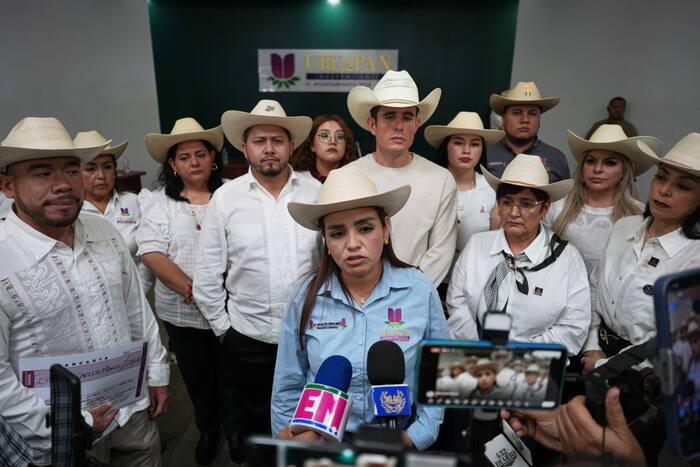
A Year After Manzo’s Killing, Uruapan Remains on Edge
On October 30, 2026, nearly a year after Carlos Alberto Manzo was shot dead during Day of the Dead celebrations, Uruapan Mayor Grecia Quiroz was traveling with three armored vehicles and two military trucks carrying armed bodyguards. She has 60 federally assigned escorts and says she fears what would happen to her children if she were killed too.
Manzo became known for confronting criminal groups and openly criticizing Mexico’s governing Morena party. He directed patrols and arrests, and publicly called for police to use lethal force against criminals who resisted arrest or attacked civilians. His killing in Uruapan’s crowded main plaza has left his grassroots Sombrero Movement fearful and sparked accusations among political factions in Michoacán.
Officials at both levels have attributed Manzo’s murder to the Jalisco New Generation Cartel. Prosecutors say the plot reached into Manzo’s circle. They have detained 34 people, including seven bodyguards who were with him, government staff accused of leaking his movements and his godson, who is accused of helping plan the murder. The city’s welfare secretary was also detained on an obstruction-of-justice accusation.
Quiroz has accused state officials from Morena and criminal groups of involvement. She has denied allegations from Manzo’s brother that she is shielding people responsible, and has not handed his cellphone to prosecutors. At least 13 mayors have been killed in Mexico in the two years since President Claudia Sheinbaum took office, compared with 23 during the previous six-year administration, according to the figures cited. The killing continues to fuel political division as the city prepares for another Day of the Dead.
Manzo’s Killing Exposes the Price of Cartel Violence
On October 30, 2026, Uruapan remained under the shadow of Carlos Alberto Manzo’s killing, nearly a year after he was shot during Day of the Dead celebrations. His successor, Grecia Quiroz, travels with three armored vehicles, two military trucks and 60 federally assigned bodyguards. She says she fears for her children’s future if she is attacked.
Manzo confronted criminal groups in a region where cartels can wield more influence than government. His assassination in a crowded public plaza silenced a prominent local opponent of the cartels and left his grassroots movement fearful. At least 13 mayors have been killed in Mexico since President Claudia Sheinbaum took office, a grim measure of the danger facing local leaders.
Authorities have blamed the killing on the Jalisco New Generation Cartel. Prosecutors say the conspiracy extended into Manzo’s circle and have detained 34 people, among them seven bodyguards, government staff accused of leaking his movements and his godson, accused of helping plan the murder. The city’s welfare secretary was detained on an obstruction-of-justice accusation.
The case is also being fought over politically. Quiroz has accused Morena officials and criminal groups of involvement, while Manzo’s brother accuses her of shielding suspects; she denies that charge. Meanwhile, the Trump administration is pressing Mexico to intensify its cartel crackdown and address corruption in local government. Uruapan’s unresolved violence and the dispute over the investigation show the stakes of confronting criminal power without a settled account of who enabled Manzo’s death.
Cartel Power and Political Infighting Haunt Uruapan
On October 30, 2026, Uruapan was still living with the consequences of the killing of Carlos Alberto Manzo, a mayor who took a hard line against criminal groups. His successor, Grecia Quiroz, now moves with three armored vehicles, two military trucks and 60 federally assigned bodyguards. The security convoy underscores how little safety local leaders can count on.
Manzo openly challenged Morena, Mexico’s governing party, and personally directed patrols and arrests. Federal and state authorities blame his assassination on the Jalisco New Generation Cartel. Prosecutors have detained 34 people, including seven bodyguards who were present during the attack, staff accused of leaking his movements and Manzo’s godson, who is accused of helping plan the killing.
The investigation has also become entangled in political claims. Quiroz has accused state officials from Morena and criminal groups of involvement. Manzo’s brother says she has protected people responsible, an allegation she denies; she has also declined to give prosecutors Manzo’s cellphone. Prosecutors have detained the city’s welfare secretary on an obstruction-of-justice accusation.
The case points to a basic failure of public security: a mayor who confronted cartels was murdered in a crowded plaza, and his city remains gripped by fear and political conflict. At least 13 mayors have been killed since President Claudia Sheinbaum took office. The Trump administration is pressing her administration to intensify its campaign against cartels and corruption, while Uruapan’s factions remain divided over responsibility for Manzo’s death.
Reported by ClickOnDetroit WDIV.






