Measles Outbreak Prompts More Amish Families to Consider Vaccination
Pennsylvania has recorded more than 1,350 measles cases this year, the highest total of any state, and more than a third have been in Lancaster County. The state has also recorded five measles-associated deaths: three in Lancaster County and two elsewhere. Community leaders say the case count may be higher because some people with measles do not seek medical care.
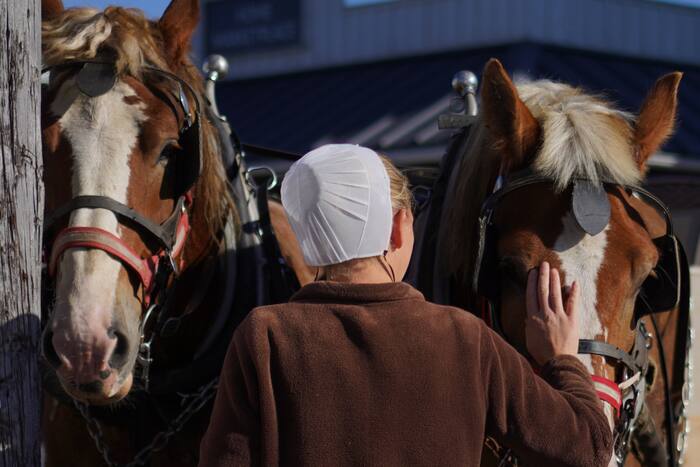
The outbreak has hit Amish and conservative Mennonite communities particularly hard. Vaccination rates vary, but are generally lower than among the wider population, often because vaccination has not been customary rather than because of a religious prohibition. Amish residents regularly encounter the broader community at markets, medical clinics and other shared places.
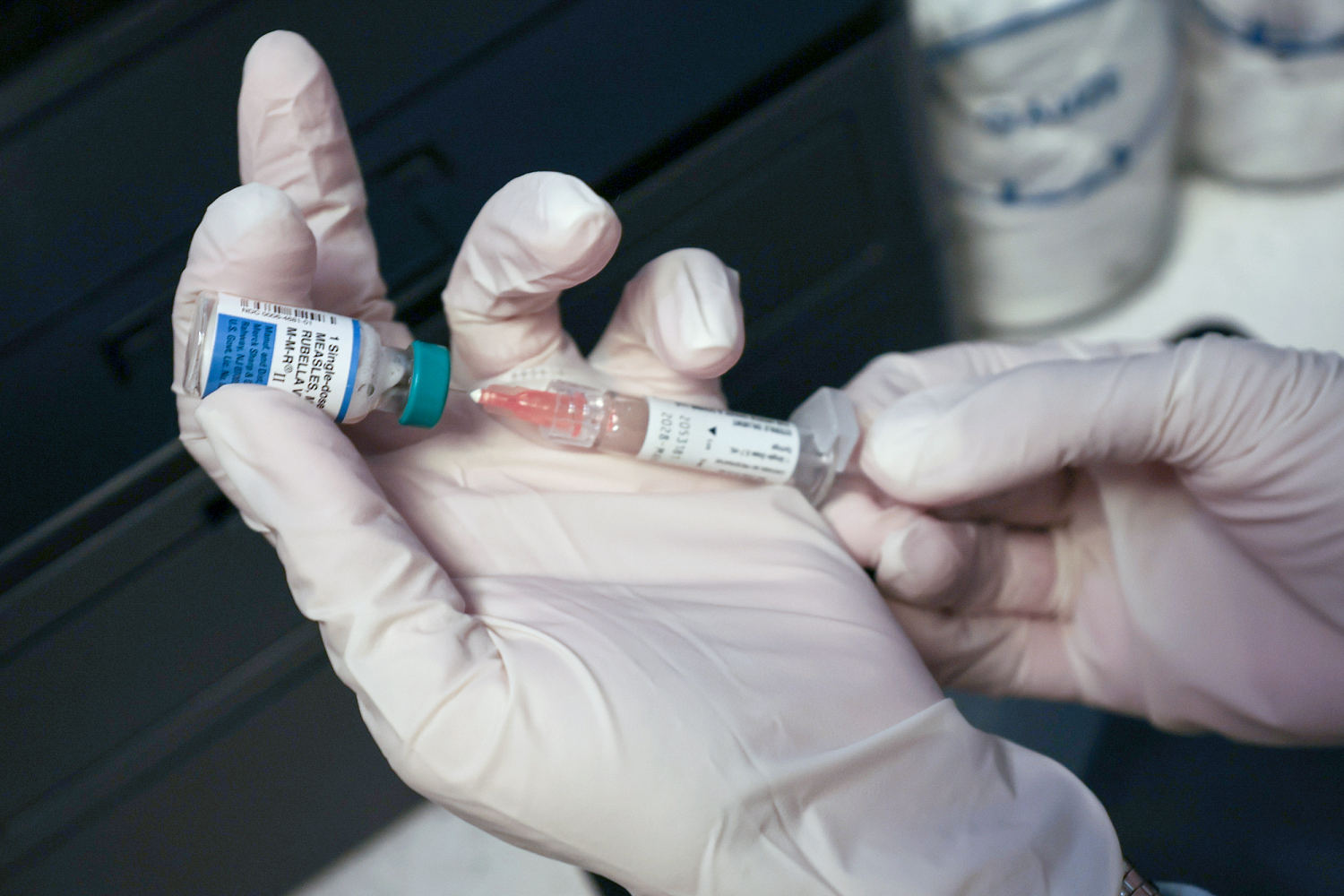
Some residents are now choosing vaccination. Union Community Care has held small clinics for Plain communities, giving about 450 measles shots. The clinics have also offered earlier-than-usual MMR doses to infants in response to the outbreak. One family from outside the Plain communities brought their 10-month-old son for his first dose.
Views remain mixed. Some people who have seen relatives fall ill have decided to get vaccinated, while others continue to regard measles as a natural illness. Community leaders say building trust takes time and that many who have skipped vaccines did so from habit, not firm opposition.
The outbreak has eased from its September peak, but some doctors expect cases could rise during winter, when people gather indoors. Nationally, 92.4% of kindergartners received required MMR shots in the 2025-26 school year, down from 95.2% in 2019-20. Pennsylvania’s kindergarten rate fell to 93.2% by last year, below the 95% level associated with outbreaks being extremely unlikely.
Falling Vaccine Coverage Leaves Communities Exposed to Measles
Pennsylvania’s measles surge is a warning about what happens when vaccination rates fall: the state has recorded more than 1,350 cases this year and five associated deaths. More than a third of the cases are in Lancaster County, where Plain communities have borne a heavy share of the outbreak. Community leaders say the official count may miss infections among people who do not seek medical care.
Amish and conservative Mennonite vaccination rates vary, but are generally lower than those of the wider public. The reasons are often custom and habit, not religious doctrine. That distinction matters: outreach and trusted relationships can help people choose protection without treating an entire community as opposed to vaccines.
Union Community Care has delivered about 450 measles shots through small clinics serving Plain communities. It is also offering infants earlier MMR doses amid the outbreak. Some residents have reconsidered after relatives became ill, while others remain skeptical. The growing willingness to vaccinate is a practical way to protect neighbors as well as oneself, because Plain and non-Plain residents share markets, clinics and other spaces.
The broader decline deserves attention, too. MMR coverage among U.S. kindergartners fell to 92.4% in 2025-26 from 95.2% in 2019-20. Pennsylvania’s rate was 93.2% by last year, below the 95% level at which outbreaks are extremely unlikely. Focusing blame on Amish families alone misses the wider public-health problem: falling childhood coverage across central Pennsylvania. The outbreak has declined from its September high, but doctors warn winter indoor gatherings could bring another rise.
Trust, Not Pressure, Is Key to Raising Vaccination Rates
Pennsylvania’s measles outbreak has caused five associated deaths and more than 1,350 cases this year, with Lancaster County at the center. The scale of the outbreak has prompted some Amish and conservative Mennonite residents to seek vaccination, but attitudes remain varied. Community leaders say many people who have not vaccinated did so because it was never part of family practice, not because they oppose immunization on religious grounds.
That is why patient, local engagement matters. Union Community Care has held small clinics that have provided about 450 measles shots to Plain communities, and has offered earlier MMR doses for infants during the outbreak. Leaders say trust takes time to build. Treating vaccine-hesitant people as a problem to be pushed around risks overlooking the cultural habits and distrust that shape their decisions.
The public-health case for vaccination is clear in the outbreak’s toll, but persuasion works better when it respects people’s choices and circumstances. Some residents have changed their minds after relatives became sick; others still do not want the shot. Amish and non-Amish residents interact at markets, clinics and other shared settings, making community protection a concern for everyone.
Vaccination rates have also slipped outside Plain communities. MMR coverage among U.S. kindergartners was 92.4% in 2025-26, down from 95.2% in 2019-20; Pennsylvania’s rate reached 93.2% by last year. Those figures show why the problem cannot be reduced to one group. The outbreak fell from its September peak, though doctors expect winter indoor gatherings could fuel a new increase. The answer is sustained, credible outreach—not assuming that distrust can be overcome by demanding compliance.
Reported by ClickOnDetroit WDIV.