Canada and EU Launch Alliance as Associate-Membership Talks Continue
Canada and the European Union launched an “Alliance for the Future” at a Montreal summit, expanding cooperation on trade, security, research and technology as Prime Minister Mark Carney seeks to reduce Canada’s economic reliance on the United States. The agreement does not make Canada an EU associate member: that designation was omitted from the leaders’ joint declaration, which instead calls for defining an “ever-closer association” by their next summit in 2027.
Carney said he expects negotiations on a partnership short of full EU membership to conclude in June. Canadian cabinet ministers and European commissioners are due to meet in March to advance the talks. European Commission President Ursula von der Leyen has backed associate-member status, despite resistance from some EU governments.
The leaders said core talks on a digital trade pact had been completed and described an agreement with the European Investment Bank to encourage investment in Canadian critical minerals. Canada will also take part in a European supercomputing initiative. The two sides agreed to explore cooperation on instant payments, student exchanges, energy, defense, cybersecurity and Arctic security, among other areas.
European Council President António Costa called the alliance the EU’s closest relationship with a country outside the bloc. Carney said closer cooperation would help Canada and Europe protect their sovereignty and withstand economic shocks. The alliance could eventually include other countries.
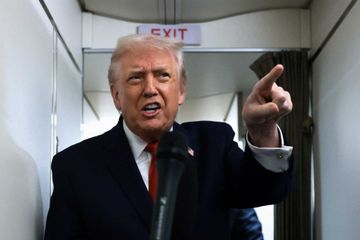
The shift comes amid strained U.S.-Canada trade ties. The United States took 71.7% of Canada’s merchandise exports in 2025, while Carney has set a goal of doubling shipments to markets beyond the United States within ten years. U.S. President Donald Trump has described the proposed EU arrangement as potentially hostile and threatened tariffs on Europe if he views it as unfriendly.
Canada Builds a Wider Alliance as Trump Uses Trade Pressure
Canada and the European Union are turning economic pressure into a case for collective strength. At a Montreal summit, Prime Minister Mark Carney and EU leaders launched the Alliance for the Future, a framework for deeper cooperation on trade, security, research and technology as U.S. President Donald Trump’s trade war strains ties with traditional allies.
The declaration stopped short of naming Canada an EU associate member, but Carney said negotiations on a partnership short of full membership could conclude in June. Ministers and commissioners are to meet in March, while the leaders aim to define an “ever-closer association” by 2027. European Commission President Ursula von der Leyen supports associate status despite resistance within the bloc.
The partners completed the main rounds of talks on digital trade and on encouraging European investment in Canadian critical minerals. They also plan cooperation in supercomputing, defense, cybersecurity, Arctic security and other fields. European Council President António Costa described the alliance as the EU’s closest relationship with a country outside the bloc.
The stakes are clear: the United States accounted for 71.7% of Canadian merchandise exports in 2025, leaving Canada exposed to disruptions in a market it has long depended on. Carney’s target is to make shipments to markets beyond the United States twice as large within ten years. Trump has called the proposed EU arrangement potentially hostile and threatened tariffs on Europe, underscoring why Canada and its partners are seeking more options.
Canada’s EU Pivot Risks Replacing One Dependence With Another
Mark Carney is pursuing a sweeping European partnership as trade tensions with the United States rise, but the Montreal summit delivered a framework rather than the associate-member status he has discussed. The joint declaration omitted that designation and instead set a goal of defining an “ever-closer association” by 2027.
Carney said negotiations on a relationship short of EU membership could conclude in June, after Canadian ministers and European commissioners meet in March. Von der Leyen backs associate status, but some European governments have resisted the label. Carney has said the arrangement would require a vote in Canada’s Parliament, and has emphasized that the name matters less than practical benefits.
The new Alliance for the Future covers trade, security, research and technology. The sides wrapped up negotiations on digital trade and on encouraging European investment in Canadian critical minerals, and agreed to explore cooperation in areas including defense, supercomputing and energy. The details of the eventual partnership remain under discussion.
The economic challenge is substantial: the United States received 71.7% of Canada’s merchandise exports in 2025. Carney’s goal is to make shipments to markets outside the United States twice their current level within ten years, but Europe’s role in that shift will have to grow. Trump has warned that he could treat the EU arrangement as hostile and impose tariffs on Europe, while the summit’s unresolved terms show that closer alignment will require choices and agreement on both sides.
Reported by The Philadelphia Inquirer, CNN, PBS NewsHour, Fortune, Newsweek, The Washington Examiner.