Thousands protest Puerto Rico’s rising costs and failing services
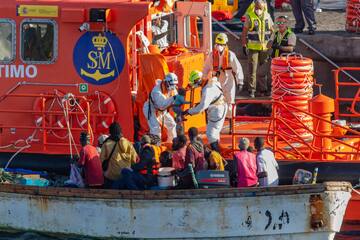
Thousands of people from across Puerto Rico converged in San Juan on November 27 for a protest organizers called the “Day of National Outrage.” Retirees, students, bus drivers and others took part in the event, organized by about 30 groups, including unions and religious organizations. The demonstration grew during the day, and protesters occupied a major highway, forcing its closure.
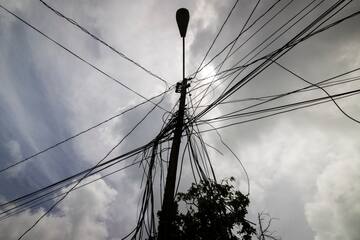
Participants cited expensive electricity, rising prices and unreliable power and water. Radamés García Badillo, 74, said his neighborhood loses power for several hours at least once a week and that retirees are having to stretch their money further. Visual arts student Verónica Ishtar, 22, said her neighborhood had 12 outages in the week before the protest and that she struggles to pay her bill.
Some residential customers recently saw monthly electricity bills rise about 18%, from $229 to $271. The new rate is 33.86 cents per kilowatt-hour, compared with a mainland U.S. residential average of 18.3 cents, the U.S. Energy Information Administration said. Some demonstrators criticized Luma Energy, the private firm responsible for electricity transmission and distribution.
The protest came two days after Puerto Rico’s Supreme Court narrowly approved canceling the government’s contract with Luma. Gov. Jenniffer González praised the decision, while concerns remain about the next steps as outages continue. The Puerto Rico Association of Industries warned that cancellation could deter private investment and disrupt ongoing projects to repair the grid, damaged by Hurricane Maria in 2017 and weakened by years of insufficient maintenance and investment.
Organizers said they would continue pressing for change. Sierra Club Puerto Rico executive director Hernaliz Vázquez urged protesters to channel their anger into organizing, while attorney and human rights advocate Eva Prados said residents were waiting for concrete solutions to high bills, business closures and deteriorating services.
Puerto Ricans Take to the Streets as Essential Services Fail
Puerto Ricans took their anger to the streets on November 27, with thousands gathering in San Juan to protest electricity costs, rising prices and deteriorating basic services. The crowd grew large enough to shut a major highway, giving voice to residents who say they are paying more while getting unreliable power and water.
About 30 organizations, including unions and religious groups, helped organize the demonstration. Retirees, students and bus drivers joined in. Radamés García Badillo, 74, said his neighborhood loses power for hours at least once a week, while visual arts student Verónica Ishtar said it suffered 12 outages in a single week and she struggles to afford her bill.
The numbers sharpen the pressure on households: some residential bills recently climbed about 18%, from $229 to $271. Puerto Rico’s new electricity rate of 33.86 cents per kilowatt-hour is far above the mainland U.S. average of 18.3 cents. Protesters directed criticism at Luma Energy, the private company overseeing electricity transmission and distribution.
The Supreme Court’s narrow approval on November 25 of canceling the government’s Luma contract has not ended the uncertainty. Outages persist, and the Puerto Rico Association of Industries warned that cancellation could deter investment and put ongoing projects at risk. But residents at the protest described a crisis already taking a toll: high bills, unreliable services and businesses closing.
Organizers say they will keep pressing for change. Sierra Club Puerto Rico director Hernaliz Vázquez called for people to organize their anger, while Eva Prados said Puerto Rico needs concrete solutions. The warnings about investment cannot erase the immediate burden residents described.
Puerto Rico’s Power Contract Fight Raises Stakes for Grid Repairs
Thousands protested in San Juan on November 27 over high electricity bills, rising living costs and unreliable basic services. Their frustration is real, but the next challenge is ensuring that a change in the power contract does not jeopardize investment or ongoing work on Puerto Rico’s damaged grid.
The demonstration, organized by about 30 groups, brought retirees, students, bus drivers and others to the capital. It grew until protesters took over a major highway, forcing its closure. Some demonstrators criticized Luma Energy, the private company overseeing electricity transmission and distribution.
Some residential customers recently saw bills increase about 18%, from $229 to $271. Puerto Rico’s rate of 33.86 cents per kilowatt-hour is well above the mainland U.S. average of 18.3 cents. Residents also described repeated outages: one student said her neighborhood lost power 12 times in the week before the protest.
But the Supreme Court’s narrow approval of canceling the government’s Luma contract leaves important questions about what comes next as outages persist. The Puerto Rico Association of Industries warned that cancellation could discourage private investment and threaten projects already underway. Crews are still repairing a grid damaged by Hurricane Maria in 2017 and weakened by years of inadequate maintenance and investment.
Gov. Jenniffer González praised the court ruling, while protesters demanded solutions to costs and service problems. The task ahead is not simply to reject a contract; it is to restore reliable service without putting the continuity of grid repairs and investment at risk. Organizers say they will continue pressing for change.
Reported by The Philadelphia Inquirer, Local 10 Miami.