St. Mary’s Food Bank Faces Rising Thanksgiving Demand
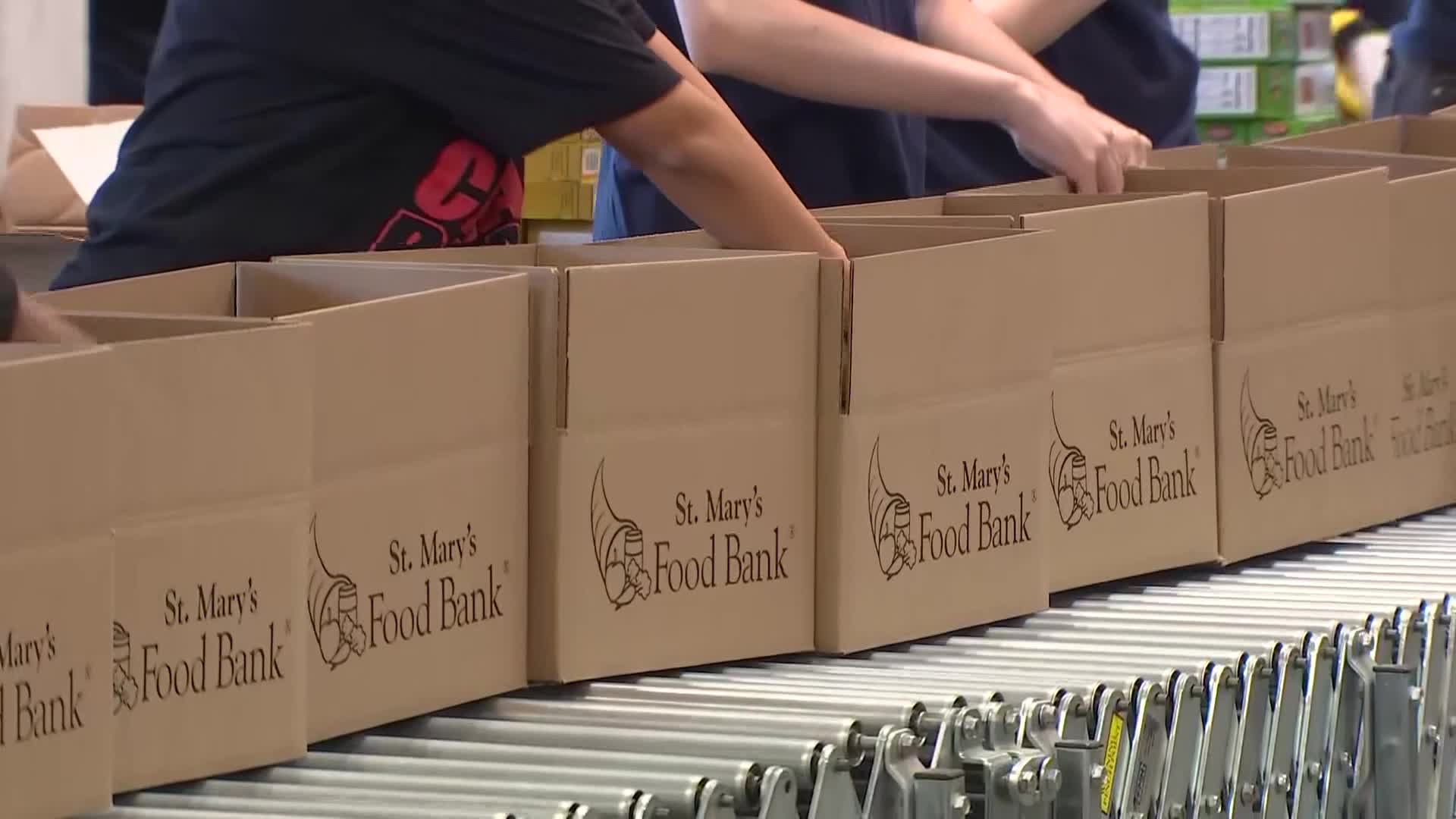
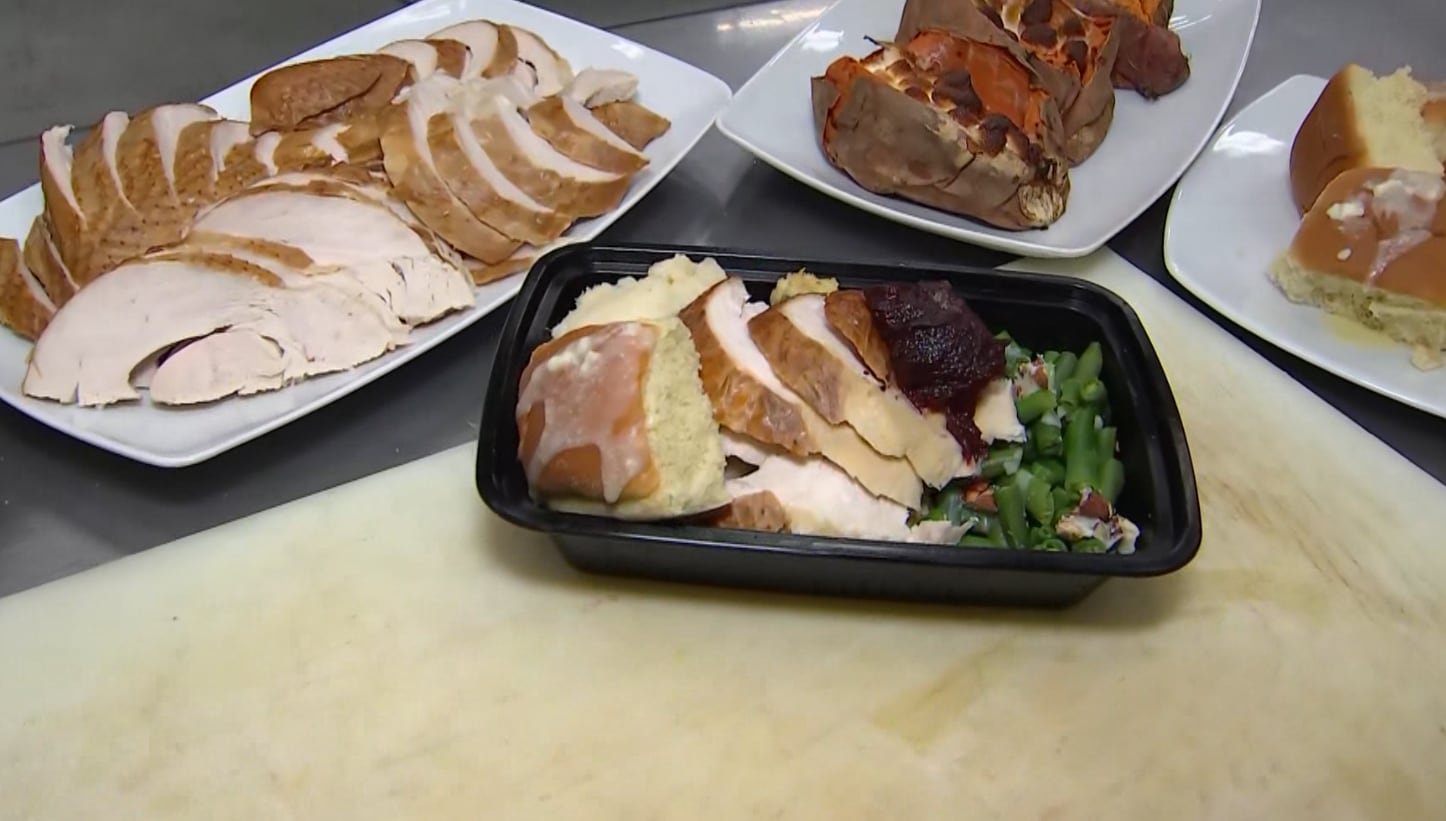
On November 25, St. Mary’s Food Bank was distributing Thanksgiving meals to families across Arizona, with 18,882 families served this week. The effort included 10,432 families in Phoenix and Surprise. The food bank says demand is up 10% to 15% from the same period last year, with increases reaching about 20% in rural Arizona.
Families seeking help described struggling to cover necessities. One father said he was visiting for the first time and wanted to provide Thanksgiving for his two sons. A mother said her husband cannot work and that she has no job; another client, raising three grandchildren after losing her job, said she had used her savings.
Arizona Food Bank Network data cited by St. Mary’s puts food insecurity at one in seven residents, or more than one million people, with nearly 20% of those affected children. Meanwhile, Arizona SNAP enrollment has recently reached its highest level since January, but remains 389,760 people—or 43%—below its July 2025 level. The decline followed a federal law signed on July 4, 2025, that expanded work requirements and imposed stricter state accuracy targets.
St. Mary’s says federal food supplies have fallen from about a quarter of its food to a smaller share, while higher prices mean it must buy more. The organization also faces increased fuel costs; it has said those expenses are not sustainable over time. The food bank says it will continue serving people who need help and is looking for ways to meet demand.
SNAP Cuts Deepen Need as Arizona Families Turn to Food Banks
On November 25, St. Mary’s Food Bank was helping Arizona families put Thanksgiving meals on the table as visits climbed 10% to 15% from a year earlier. In rural areas, the increase reached about 20%. This is what shrinking food assistance looks like on the ground: families arriving for the first time because they cannot make their budgets stretch.
The federal law signed on July 4, 2025, expanded SNAP work requirements and required states to reduce benefit-payment errors. Arizona’s SNAP rolls have since fallen by 389,760 people, a 43% decline, even though enrollment has recently reached its highest point since January. The food bank says more people are coming for help as food and fuel remain expensive.
St. Mary’s provided Thanksgiving meals to 18,882 families this week, including 10,432 in Phoenix and Surprise. Clients described job loss, disability in the family and savings running out. Arizona Food Bank Network data puts food insecurity at more than one million people, including nearly one in five children among those affected.
At the same time, federal food supplies to St. Mary’s have dropped from about 25% of its food to a smaller share, forcing it to purchase more at higher prices. The strain is a warning about the human cost of tightening assistance while families are already struggling. St. Mary’s says it will keep helping people, but its leaders say rising costs cannot be sustained indefinitely.
Food Bank Demand Rises as SNAP Rolls Remain Far Below 2025
On November 25, St. Mary’s Food Bank was providing Thanksgiving meals to families across Arizona while reporting a 10% to 15% increase in visits from last year. The rise underscores the pressure on community charities as grocery and fuel costs climb and federal food supplies to the organization shrink.
Arizona’s SNAP enrollment is now at its highest level since January, but it remains 389,760 people—or 43%—below its July 2025 level. The decline followed a federal law signed on July 4, 2025, which expanded work requirements and required states to reduce overpayments, underpayments and errors. Those rules are intended to strengthen program standards; meanwhile, food banks are addressing needs among people who have lost assistance or live on fixed incomes.
St. Mary’s served 18,882 families with Thanksgiving meals this week, including 10,432 in Phoenix and Surprise. The organization says the rural demand increase is about 20%. It has also said the federal share of its food has fallen from roughly one-quarter to a smaller portion, so it must buy more while prices are higher. Fuel costs add to the strain, and the food bank says it is using a rainy-day fund.
The charity says it will not turn away people who need help and will seek new ways to feed them. But relying on food banks to absorb rising demand is not a lasting answer to higher prices and strained household budgets.
Reported by AZFamily, ABC15 Arizona.