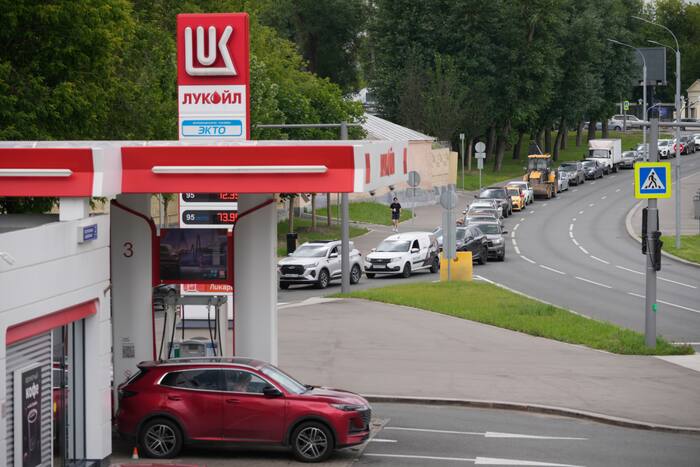
Boehly-led group agrees to buy Lukoil’s overseas energy assets
The proposed sale would transfer Lukoil International from its sanctioned Russian parent to a consortium led by Eldridge, the investment firm run by U.S. billionaire Todd Boehly. The purchase price has not been disclosed, and the deal requires conditional approval from the Treasury Department’s Office of Foreign Assets Control.
The portfolio includes oil and gas operations in 11 countries with a combined output of roughly 350,000 barrels of oil equivalent per day. It also includes three European refineries, roughly 2,000 gas stations across 16 countries, and an international trading business.
The consortium comprises the U.S. International Development Finance Corporation, or DFC, as well as UAE-based Catena Investment Holding and investment bank Xtellus. The DFC would hold a stake representing the United States.
Under the proposed terms, restricted shares in Lukoil and other Russian companies would be exchanged for the overseas business, rather than the consortium paying Russia directly in cash. Eldridge said the arrangement would place important energy assets under U.S. and allied ownership.
The sale follows earlier attempts that did not go through, including a proposed purchase by Carlyle and an earlier offer that failed to gain Treasury approval. Lukoil began marketing its overseas holdings after the United States sanctioned the company in October 2025 as part of efforts to pressure Moscow over its war in Ukraine.
The deal has drawn criticism from Democratic Rep. Gregory Meeks, who said DFC involvement circumvents a congressional restriction on the agency investing in Russia. A DFC official said the agency’s participation would safeguard U.S. interests and help prevent rivals from acquiring the assets.
Lukoil deal raises questions about DFC’s role in Russia policy
A U.S.-led consortium’s proposed purchase of Lukoil’s international energy business is putting the government lender DFC at the center of a debate over whether the Trump administration is weakening pressure on Russia.
The agreement, led by Todd Boehly’s Eldridge, would give the DFC an ownership interest in the assets on behalf of the United States. Those holdings include oil and gas operations across 11 countries, three European refineries and about 2,000 fuel stations. The sale still needs conditional Treasury approval, and its price has not been disclosed.
Rep. Gregory Meeks, the top Democrat on the House Foreign Affairs Committee, criticized the DFC’s involvement, saying the agency was getting around a congressional ban on investing in Russia. He argued that the DFC should advance development in emerging markets, not act as a financial vehicle for wealthy and well-connected people close to President Donald Trump.
That concern comes as Trump has taken steps that Democrats have criticized as easing pressure on Moscow, including pausing a sweeping sanctions package shortly before it was due to take effect. The Lukoil sale itself follows sanctions imposed on the company in October 2025 to pressure Russia over its war in Ukraine.
The consortium says the share exchange would avoid direct cash payments to Russia. A DFC official described the agency’s participation as a means of safeguarding U.S. interests and limiting the threat posed by rival buyers. But the proposed transaction’s supporters have yet to resolve the central political question: whether transferring the assets through a U.S. government-backed deal reinforces sanctions or weakens the restrictions Congress intended to maintain.
U.S.-led Lukoil deal would secure key energy assets from Russia
A U.S.-led consortium is moving to bring Lukoil’s extensive overseas energy holdings under American and allied ownership, using a transaction structured to avoid direct cash payments to Russia.
Todd Boehly’s Eldridge is leading a group that also features the U.S. International Development Finance Corporation, UAE-based Catena Investment Holding and Xtellus. The DFC would hold a stake representing the United States. The group would exchange restricted shares in Russian companies for Lukoil International, subject to Treasury approval.
The portfolio spans 11 countries and produces about 350,000 barrels of oil equivalent a day. It also includes three refineries in Europe, roughly 2,000 retail fuel stations across 16 countries, and an international trading operation. A DFC official said the agency’s involvement would safeguard U.S. interests and limit the possibility of rival buyers taking control of the assets.
Democratic Rep. Gregory Meeks objects, arguing that the DFC is circumventing a congressional restriction on investing in Russia. But the proposed structure does not send direct cash to the Russian parent, and the assets are being transferred after sanctions prompted Lukoil to seek a buyer. The question is whether the United States should help secure a strategic energy portfolio or leave it open to other buyers.
Earlier efforts to sell the holdings fell through, including a Carlyle proposal and an offer that did not obtain Treasury approval. The transaction’s price remains undisclosed, and Treasury’s sanctions office must grant conditional approval before the sale can proceed.
Reported by CNN, The Philadelphia Inquirer.