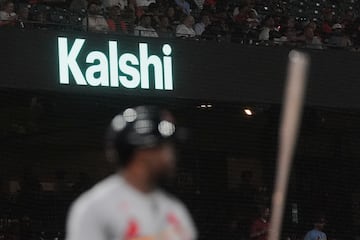
New York bill would tax and regulate prediction markets
A proposal from Democratic state Sen. Jeremy Cooney could give prediction-market companies such as Kalshi and Polymarket a path to operate in New York while bringing them under state gambling regulation. The bill would tax 10% of operators’ trading-fee revenue generated in the state and direct the proceeds to universal pre-K programs and childcare subsidies.
Prediction markets let users wager on the outcome of real-world events, including sports, politics and current affairs. New York officials have argued that these contracts amount to gambling. The proposal would also establish consumer protections and prohibit elected officials and some government workers from using the platforms.
The bill comes as Kalshi faces a lawsuit from state Attorney General Letitia James, who argues that the company’s market is illegal gambling. A similar case involving Polymarket is also being pursued by James’ office. Kalshi’s case returned to state court after a federal judge declined to hear it last week.
The proposal’s level of support in Albany is unclear. Its introduction offers a potential alternative to a court fight: operators could pay the tax and accept state oversight to keep access to New York users. Cooney said revenue would go to early-education programs across the state, including universal pre-K.
Tax prediction markets to fund pre-K and protect New Yorkers
New York should not have to choose between protecting residents and preserving access to prediction markets. State Sen. Jeremy Cooney’s proposal would bring operators such as Kalshi and Polymarket under gambling regulators, impose consumer safeguards and direct a 10% tax on their New York trading-fee revenue to universal pre-K and childcare subsidies.
These platforms let users wager on events ranging from sports to politics. State officials have argued that such contracts are gambling, and Attorney General Letitia James has sued Kalshi on that basis. Her office is pursuing a similar case against Polymarket. Kalshi’s case is now back in state court after a federal judge declined to hear it last week.
The bill also bars elected officials and some government employees from using the platforms. That combination of oversight and public investment offers a responsible way to address the risks while ensuring the companies contribute to communities where they do business.
Support for the bill in Albany remains unclear. But leaving the issue to litigation alone would do nothing to direct revenue toward education or establish the protections Cooney’s proposal would require.
Albany’s prediction-market bill puts a new tax before access
Albany is offering prediction-market companies a route to remain in New York—but only under state gambling oversight and a new 10% tax on trading-fee revenue. Sen. Jeremy Cooney’s bill would send the money to universal pre-K and childcare subsidies, making market access contingent on a government levy.
The proposal arrives as Attorney General Letitia James pursues Kalshi, arguing its contracts amount to illegal gambling. Her office is also taking action against Polymarket. Kalshi’s legal case returned to state court after a federal judge declined to hear it last week, leaving the company’s dispute with New York unresolved.
The bill would regulate the platforms as gambling services, impose consumer protections and bar elected officials and some government employees from using them. The measure’s support among lawmakers is not clear.
Companies seeking to keep access to New York users may be pressed to accept the state’s terms rather than risk losing that access through litigation. The proposal would turn their fees into public revenue, but it also gives Albany a direct role in setting the conditions under which these markets operate.
Reported by New York Post, The Washington Examiner.