Pelicans’ Fourth-Quarter Struggles Deepen Under Mosley
The Pelicans led by 10 late in the third quarter against Phoenix, then surrendered a 14-3 run in the fourth before losing in overtime. The defeat continued a troubling trend for a New Orleans team with a 5-14 record: it has been outscored by 5.7 points per fourth quarter, compared with 1.3 points last season.
The decline is apparent on both ends. New Orleans scores 25.7 points per fourth quarter, down from 28.0, and its offensive rating has fallen from 114.4 to 106.3. Its defensive rating has worsened from 118.4 to 128.7 points allowed per 100 possessions, while its net rating has plunged from minus-4.0 to minus-22.4.
Opponents average 31.4 fourth-quarter points against the Pelicans, shooting 50.4% overall and 37.8% from three. New Orleans is also losing the rebounding battle more sharply: opponents’ offensive rebounding rate has risen to 36.2%, while the Pelicans’ rate has fallen to 26.0%. On offense, the team is shooting 30.3% from three, and its assist-to-turnover ratio has dropped from 1.62 to 1.15.
Close-game results offer little comfort. New Orleans is 2-6 in clutch situations this season, defined as the final five minutes of regulation or overtime when the margin is five points or less. Its clutch net rating has improved from minus-20.3 to minus-16.1, but the team has made only one of 20 clutch three-point attempts.
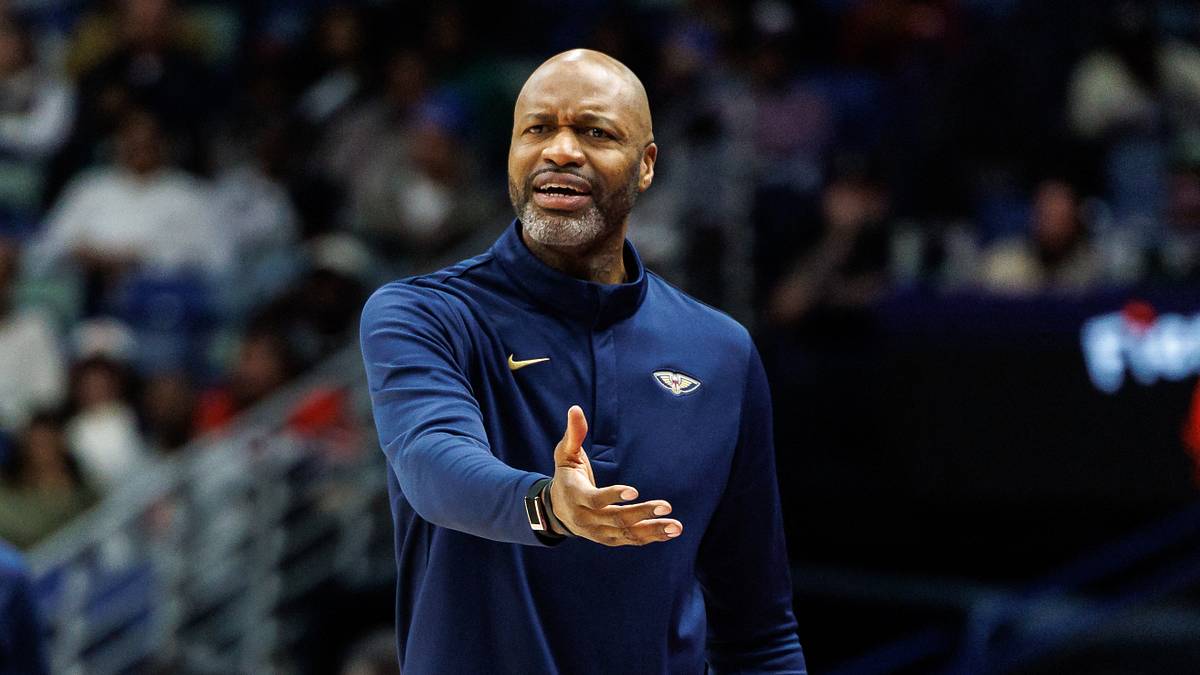
The numbers also put the coaching decision by Joe Dumars and the front office under scrutiny. Mosley’s previous Orlando team had late-game concerns, including a playoff collapse in which it lost a 24-point lead to Detroit in Game 6, then lost Game 7 after leading the series 3-1. Nineteen games remain a limited sample, and injuries and personnel affect results, but Mosley must improve the fourth quarters while the front office faces questions about its choice.
Pelicans’ Fourth-Quarter Collapse Puts Front Office Choice Under Scrutiny
The Pelicans’ latest collapse is more than a rough finish: it exposes the consequences of pairing a struggling roster with a coach whose previous team also had late-game problems. New Orleans led Phoenix by 10 late in the third quarter on November 23, gave up a 14-3 fourth-quarter run and lost 123-119 in overtime.
Through 19 games, the Pelicans are being outscored by 5.7 points per fourth quarter, compared with 1.3 last season. Their fourth-quarter net rating has fallen from minus-4.0 to minus-22.4, the NBA’s second-lowest mark. They score less, defend worse and have become less effective on the boards: opponents’ offensive rebounding rate is up to 36.2%, while New Orleans’ has dropped to 26.0%.
The offensive problems are just as hard to dismiss. The team is shooting 30.3% from three in fourth quarters, and its assist-to-turnover ratio has slid from 1.62 to 1.15. In clutch situations, the Pelicans are 2-6 and have hit only one of 20 three-point attempts.
Dumars and the front office knew Mosley’s Orlando team had struggled to execute late. The Magic scored only eight fourth-quarter points while losing a playoff game after building a 24-point lead, then lost the series after being ahead 3-1. That history raises a basic question: why expect this coaching choice to solve a problem New Orleans already had?
Nineteen games are not a full season, and injuries and personnel matter. But the front office chose the coach, and Mosley must now show that the pattern can change.
Pelicans’ Early Collapse Does Not Yet Settle Mosley’s Future
New Orleans’ fourth-quarter numbers are alarming, but a 19-game start is not a final verdict on Jamahl Mosley or the team assembled by Joe Dumars. The Pelicans led Phoenix by 10 late in the third quarter on November 23, then gave up a 14-3 run and lost 123-119 in overtime.
The team has been outscored by 5.7 points per fourth quarter, compared with 1.3 last season. Its net rating in those periods has dropped from minus-4.0 to minus-22.4. The defense is allowing 128.7 points per 100 possessions, and New Orleans is giving up more offensive rebounds while securing fewer of its own.
The problems are not confined to defense. The Pelicans’ fourth-quarter offensive rating is down from 114.4 to 106.3, their assist-to-turnover ratio has fallen to 1.15, and they are shooting 30.3% from three. Those figures show a team with little room for mistakes, but they also reflect the impact of the roster and injuries as well as coaching.
The close-game picture is more mixed than the overall fourth-quarter record. New Orleans is 2-6 in clutch situations, yet its clutch net rating has improved from minus-20.3 to minus-16.1. The team’s one make on 20 clutch three-point tries is a small sample that could change.
Mosley’s Orlando tenure included late-game struggles and a playoff collapse against Detroit, making the front office’s decision worth examining. Still, the early results do not establish that the coach alone is responsible. New Orleans needs more effective finishes, while Dumars and the organization must assess whether the roster can deliver them.
Reported by Sports Illustrated.