Phillips 66 Olympic Deal Draws Climate and City Council Backlash
LA28’s agreement makes Phillips 66 the supplier of gasoline, renewable diesel and propane for vehicles and equipment throughout the 2028 Olympics, as well as fuel for the torch relay. The partnership has drawn criticism because organizers have promoted a transit-first Games and pledged to reduce emissions from construction and operations by 10% against the Paris 2024 Olympics.
Climate activist Bill McKibben suggested the company should instead be labeled the Games’ “Official Carbon Dioxide sponsor.” Environmental campaigner Zan Dubin has started a petition calling on LA28 to cancel the deal, arguing an oil company should not gain a positive image through association with the Olympics. Councilmembers Katy Yaroslavsky and Hugo Soto-Martinez also criticized the sponsorship. Yaroslavsky said organizers had lost sight of the city’s values and called the deal embarrassing.
LA28 spokesperson Jacie Prieto Lopez said the organization remained committed to its sustainability goals, while noting that fuel is needed to transport athletes, spectators and officials and power equipment. Councilmember Tim McOsker argued that rejecting the sponsorship would increase financial risk for taxpayers, since Los Angeles is the Games’ financial backstop. LA28’s $7.2 billion budget depends on $2.6 billion in domestic sponsorships. The City Council does not directly control LA28’s sponsorship choices, but opposition could grow as the Games approach.
LA28’s Phillips 66 Deal Undercuts Its Climate Promises
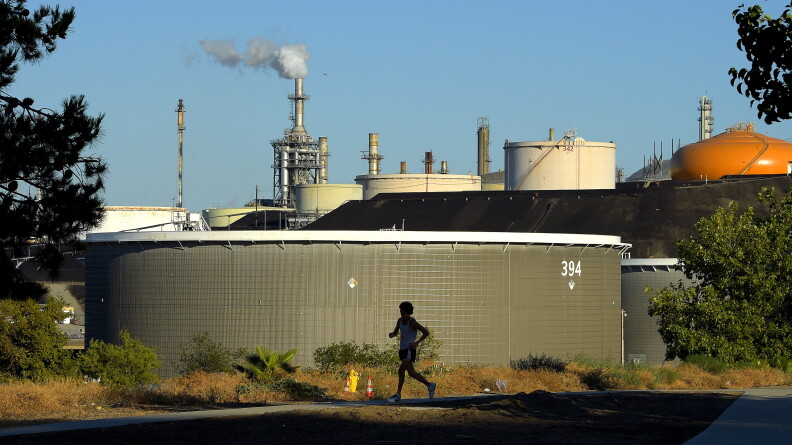
A major oil company is set to supply fuel for the Los Angeles Olympics, despite LA28’s promises of a transit-first event and lower emissions. Phillips 66 is slated to supply gasoline, renewable diesel and propane to Games vehicles and equipment, along with fuel for the torch relay. Organizers have pledged to bring emissions from construction and operations down by 10% compared with the Paris 2024 Games.
The partnership has prompted a petition demanding that LA28 cancel the deal. Campaigner Zan Dubin says the Olympics should not give an oil giant a friendly public image, while climate activist Bill McKibben proposed branding Phillips 66 as the Games’ carbon dioxide sponsor. Councilmembers Katy Yaroslavsky and Hugo Soto-Martinez have also denounced the agreement. Yaroslavsky said the organizers had lost sight of what Los Angeles stands for.
The criticism carries particular weight in a city that has voted to ban oil drilling and aims to run on 100% clean energy by 2035. LA28 says it remains committed to sustainability, but its need for fuel does not erase the contradiction critics see in giving an oil company an Olympic platform. Councilmember Tim McOsker has defended keeping the sponsorship, citing taxpayer exposure: Los Angeles is the Games’ financial backstop, and the $7.2 billion budget relies on $2.6 billion in domestic sponsorships. The City Council cannot directly dictate LA28’s sponsors, though opposition may intensify before the Games.
LA28 Needs Sponsors to Pay for the Games, Not Political Theater
Los Angeles Olympic organizers need fuel to move athletes, spectators and officials and power equipment, and Phillips 66 is set to supply gasoline, renewable diesel and propane for those needs and the torch relay. Yet critics are pressuring LA28 to cancel the deal, turning a practical supply partnership into a test of the Games’ environmental messaging.
LA28 has pledged a transit-first event, no new permanent venues and a 10% reduction in construction and operating emissions compared with Paris 2024. The organization says it remains committed to those goals. Climate activist Bill McKibben and campaigner Zan Dubin have attacked the sponsorship, and councilmembers Katy Yaroslavsky and Hugo Soto-Martinez have criticized it. Yaroslavsky called the deal embarrassing and urged organizers to start over.
Councilmember Tim McOsker has raised the financial stakes the critics’ demand would impose. Los Angeles is the Games’ financial backstop, and LA28’s $7.2 billion budget depends on $2.6 billion in domestic sponsorships. McOsker said turning away sponsorship would put more risk on taxpayers, while noting Phillips 66 had been a good community partner and accepted responsibility for cleaning up its former refinery site. The City Council has no direct authority over LA28 sponsorships. Opponents may want a cleaner corporate image for the Games, but organizers still have to fund and operate an event that requires fuel.
Reported by LAist, New York Post.